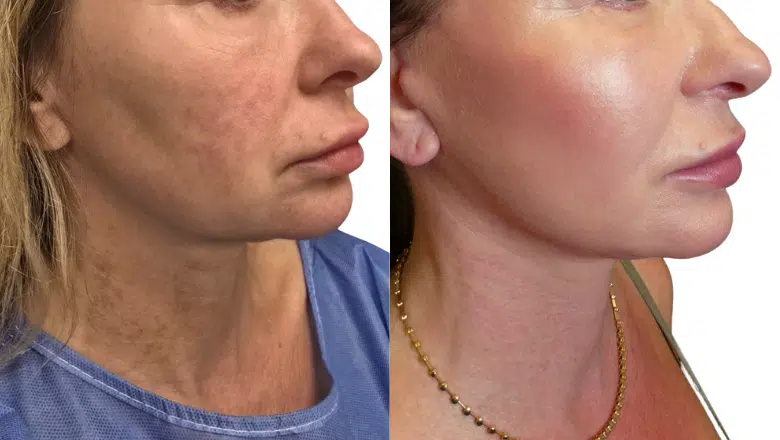
As facelift techniques evolve, the deep plane facelift has emerged as the most reliable option for patients who want natural, long-lasting rejuvenation. In London, where patients expect subtle refinement rather than dramatic change, this approach has become the preferred choice for surgeons and patients alike.
Instead of tightening skin at the surface, the deep plane facelift reshapes the underlying structures of the face. The result is a refreshed, lifted appearance that doesn’t look operated on. For many, this technique isn’t just another cosmetic option – it’s the gold standard.
This guide explains why the Deep Plane Facelift London trend is growing, what sets this method apart, and who benefits most from it.
What Exactly Is a Deep Plane Facelift?
To understand why this method delivers such natural results, it helps to look at what makes it different from traditional facelift techniques.
A standard or SMAS facelift tightens the skin and the layer just beneath it. It works well for mild to moderate ageing, but it can create tension if too much skin is pulled, which is where the “windswept” look comes from.
A deep plane facelift goes further and works within the deeper layers of the face, specifically:
- The SMAS (Superficial Musculoaponeurotic System)
- The ligaments that hold facial tissue in place
- The deeper fat pads that influence mid-face shape
Instead of pulling the skin, the surgeon repositions the deeper structures as a single unit. This restores youthfulness from within and avoids surface tightness.
Why London Patients Prefer the Deep Plane Approach
London patients tend to favour refinement over transformation. They want to look fresher and more lifted but still like themselves. This is exactly what the deep plane facelift delivers.
Its popularity in London stems from:
- Strong focus on subtlety
- Surgeons who specialise in advanced facial anatomy
- A patient base that prefers discreet, natural-looking results
- Long-lasting improvement for both the mid-face and jawline
Where traditional facelifts address the lower face, the deep plane method improves multiple regions at once.
1. It Creates Natural Results That Don’t Look Operated On
This is the primary reason it’s considered the gold standard.
A deep plane facelift moves the deeper layers rather than stretching the skin on top. This achieves:
- Lifted cheeks that look natural
- A defined jawline without skin tension
- A smoother neck
- Softer nasolabial folds
- Rejuvenation that mirrors youthful anatomy, not artificial contours
Most patients say the result looks like a younger version of themselves, not a different person.
2. It Addresses the Mid-Face, Which Traditional Facelifts Often Miss
One of the biggest signs of ageing is descent in the mid-face – the cheek area. Loss of mid-face support creates:
- Flat cheeks
- Deep smile lines
- Heaviness around the mouth
Traditional facelifts don’t fully correct this because they focus mainly on the jawline. A deep plane facelift releases and repositions the mid-face, giving a lift that fillers can’t achieve.
For many patients in London, this is the key improvement they want.
3. It Offers Longer-Lasting Results
Because the technique works on the deeper structures rather than the skin, the results last significantly longer.
Typical longevity:
- Traditional SMAS facelift: around 7–10 years
- Deep plane facelift: often 12–15 years or more
The tissues are repositioned to a more youthful location rather than tightened into place, so results hold naturally over time.
4. It Avoids the Overfilled Look
Many patients come to consultation after years of fillers that have stopped giving the desired lift. The deep plane technique reduces the need for future injectables because it corrects the underlying cause of heaviness.
Common improvements include:
- Restoration of cheek contour
- Less dependence on cheek fillers
- Better definition without over-volumising
- A refreshed appearance without puffiness
In London, where a natural aesthetic is valued, avoiding the “pillow face” look is a big advantage.
5. It Significantly Improves the Neck and Jawline
The jawline is one of the first areas patients notice changing. Jowls and neck laxity can make the face look tired and lose its structure.
A deep plane facelift helps by:
- Lifting the SMAS layer from underneath
- Reducing jowls without pulling
- Tightening neck bands
- Restoring a clean contour between jaw and neck
The improvement is structural, not surface-level, which is why it looks so natural.
6. The Results Are More Stable and Balanced
Traditional facelifts can sometimes produce slight irregularities or uneven tension. The deep plane technique avoids this because the lift is done underneath the skin, where tissues are thicker and more stable.
Patients benefit from:
- Smoother contours
- Balanced lift on both sides
- Less risk of skin rippling
- More reliable outcomes overall
In a city like London, where patients are highly discerning, this consistency makes the deep plane facelift a preferred choice.
7. Suitable for a Wider Age Range
This method works well for patients in their:
- 40s who are starting to see mid-face descent
- 50s and 60s who want a strong lift
- 70s with significant sagging but good skin health
Because it works within deeper layers, skin elasticity is not the sole determining factor.
8. Reduced Need for Additional Procedures
While complementary treatments can enhance results, the deep plane facelift often provides such comprehensive correction that fewer add-ons are needed.
However, some patients combine the surgery with:
- Neck lift
- Blepharoplasty (eyelid surgery)
- Fat transfer
- Skin resurfacing
These combinations create a full-face rejuvenation when desired.
What Makes London a Hub for Advanced Facelift Techniques
London is home to some of the most highly skilled facial surgeons in Europe. Several factors contribute to the rise in deep plane facelifts in the city:
- Access to advanced surgical training
- Demand for refined, understated results
- A patient base that prioritises discretion
- Harley Street’s reputation for facial aesthetic excellence
The combination of expertise and expectation has positioned London as a global centre for deep plane facelift innovation.
Who Is an Ideal Candidate for a Deep Plane Facelift?
Patients who benefit the most usually have:
- Sagging cheeks
- Visible jowls
- Deep folds around the mouth
- Neck laxity
- Volume descent rather than volume loss
- Good general health
It’s particularly effective for people who want a natural lift rather than a tight or overly smoothed look.
Recovery Overview
While it’s a more advanced procedure, recovery time is similar to other facelift techniques.
Typical recovery includes:
- One to two weeks before returning to work
- Bruising and swelling that improves steadily
- Full results visible after several months
Most patients find the long-lasting results well worth the downtime.
Final Thoughts
The Deep Plane Facelift London trend reflects a broader shift in aesthetic goals: natural results, structural correction and subtle rejuvenation. Because this method lifts deeper tissues rather than pulling skin, it creates a refreshed look that feels authentic, soft and long-lasting.
For patients who want a stronger improvement than injectables can offer – without ever looking “done” – the deep plane facelift remains the gold standard. With London’s reputation for advanced facial surgery and discreet luxury care, it’s no surprise the technique has become the city’s most sought-after approach to facial rejuvenation.