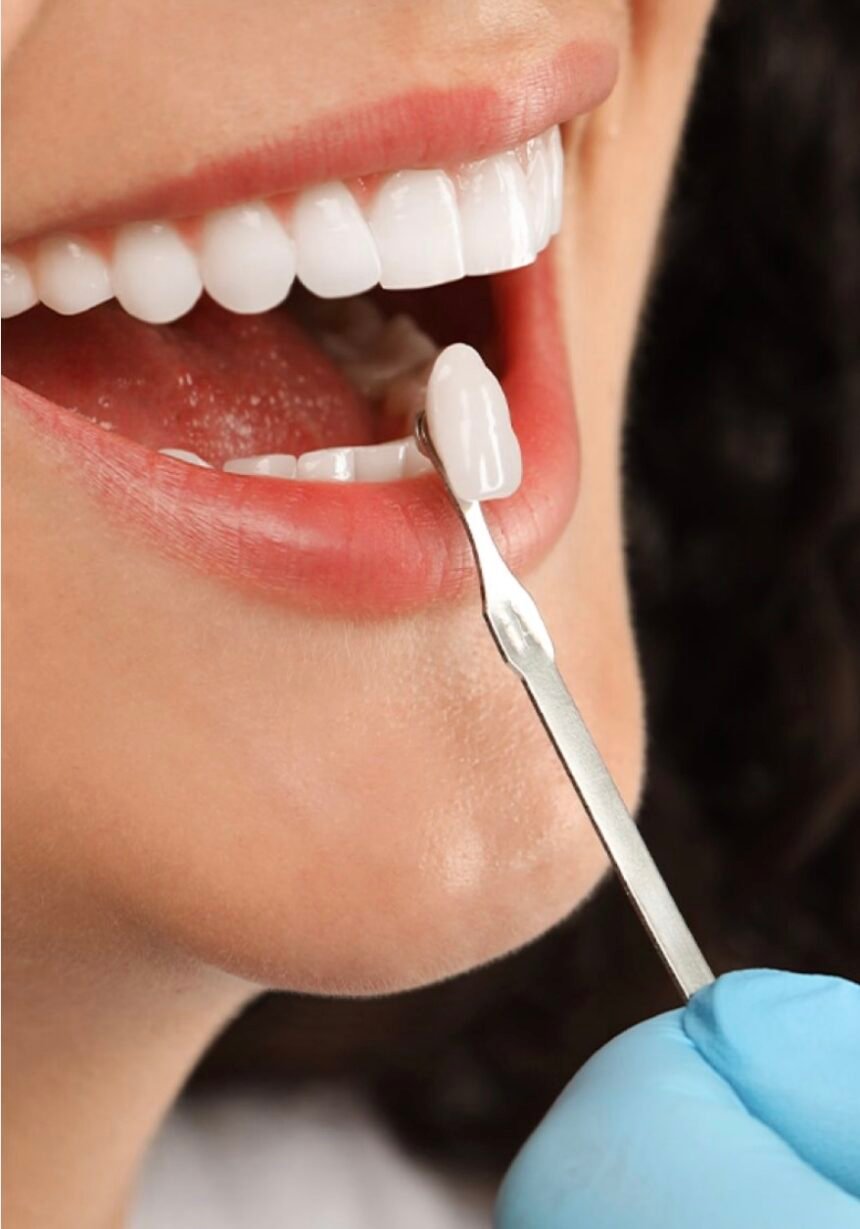
Porcelain veneers are designed to offer long-term aesthetic improvement, but their durability depends heavily on daily care and professional oversight. Veneers are resistant to staining and wear, yet they are not indestructible. Patients who invest in veneers London clinics provide often expect them to last well over a decade, and with the right maintenance approach, this is achievable.
Unlike natural enamel, veneers cannot repair themselves. Once chipped or damaged, they usually require replacement rather than simple restoration. This makes preventive care particularly important. Lifestyle habits such as coffee consumption, red wine intake, or smoking can affect the margins around veneers even if the porcelain surface itself resists staining. Additionally, underlying tooth health remains essential; decay can still form at the edges if oral hygiene is neglected.
A cosmetic dentist in London from MaryleboneSmileClinicexplains that veneers London longevity depends on both craftsmanship and aftercare. Dr. Sahil Patel of MaryleboneSmileClinic advises patients to treat veneers with the same diligence as natural teeth, noting that routine hygiene visits and protective measures significantly extend their lifespan. For those seeking more detailed guidance about ongoing cosmetic care, he suggests patients visit this site to understand recommended review intervals and hygiene protocols tailored to their treatment plan.
Maintenance is not complicated, but it requires consistency. The following eight tips, shared by London cosmetic dentistry specialists, outline practical ways to preserve the appearance and integrity of veneers for years to come.
Tip 1 and Tip 2: Prioritise Daily Cleaning and Choose the Right Products
Effective veneer maintenance begins with meticulous daily cleaning. Although porcelain is smooth and less prone to plaque accumulation, the gum line and underlying natural tooth remain vulnerable. Brushing twice daily with a non-abrasive fluoride toothpaste helps prevent decay at veneer margins. Abrasive formulas marketed for whitening can gradually dull the polish of porcelain surfaces or scratch composite bonding.
Equally important is flossing. Many veneer complications arise not from the veneer itself but from gum inflammation or decay between teeth. Interdental brushes or water flossers can be beneficial, particularly for patients with multiple adjacent veneers. Clean margins reduce the likelihood of staining and preserve gum health, which frames the aesthetic result.
Selecting the right toothbrush also plays a role. Soft-bristled brushes minimise unnecessary pressure while effectively removing plaque. Electric toothbrushes with pressure sensors are often recommended by London clinicians because they help prevent overbrushing, which can irritate gum tissue around veneers.
Mouthwash should be alcohol-free. High-alcohol formulas may contribute to dryness and can potentially weaken bonding materials over time. Patients should also avoid overly acidic rinses that might affect surrounding enamel. A balanced oral care routine not only protects veneers but ensures the health of the teeth supporting them, maintaining both comfort and cosmetic appeal.
Tip 3 and Tip 4: Protect Against Grinding and Limit Staining Habits
Teeth grinding, or bruxism, is a common issue among London professionals managing demanding work schedules. Chronic grinding places excessive pressure on veneers, increasing the risk of chipping or cracking. Specialists frequently recommend custom night guards for patients who clench or grind, particularly those with multiple anterior veneers. A professionally fitted guard distributes pressure evenly and prevents direct contact between upper and lower teeth during sleep.
Dietary awareness also influences veneer longevity. While porcelain resists staining better than natural enamel, the bonding edges and adjacent teeth can discolour over time. Frequent consumption of tea, coffee, red wine, and richly pigmented foods may gradually alter the appearance of the smile as surrounding enamel darkens. This contrast can make veneers appear mismatched.
Rinsing with water after consuming staining beverages and using a straw where practical can reduce contact with front teeth. Smoking remains a significant factor in gum recession and discolouration at veneer margins. London dentists consistently report improved long-term outcomes in non-smoking patients.
Moderation rather than elimination is often realistic. Cosmetic dentistry is intended to integrate seamlessly into daily life. By understanding how lifestyle factors affect veneers, patients can make informed adjustments that preserve both aesthetics and structural integrity.
Tip 5 and Tip 6: Schedule Regular Reviews and Address Minor Issues Early
Routine dental reviews are essential for monitoring veneer condition. Most London cosmetic dentists recommend check-ups every six months, though some patients may benefit from more frequent hygiene visits depending on their oral health status. Professional polishing maintains the smooth surface of veneers and removes plaque accumulation at the margins.
During review appointments, dentists assess bonding integrity, gum health, and bite alignment. Minor issues such as small chips or early gum recession can often be managed conservatively if identified promptly. Delayed intervention may require veneer replacement, which involves additional cost and treatment time.
Patients sometimes assume that veneers eliminate the need for standard dental care. In reality, underlying teeth remain susceptible to decay and periodontal disease. Radiographs and comprehensive examinations ensure that the supporting structures remain healthy.
Open communication with your dentist is important. If you notice sensitivity, rough edges, or changes in how your teeth meet, prompt evaluation prevents complications. Maintenance is a collaborative process between patient and clinician. Proactive care protects not only the veneers themselves but the long-term stability of the entire smile.
Tip 7 and Tip 8: Be Mindful of Physical Impact and Maintain Overall Oral Health
Veneers are strong, but they are not designed to withstand excessive force from non-food objects. Biting fingernails, opening packaging with teeth, or chewing on pens can create microfractures that compromise porcelain surfaces. London specialists frequently treat preventable veneer damage caused by such habits. Avoiding unnecessary strain is a straightforward way to extend restoration life.
Sports participation also warrants consideration. Contact sports require a custom mouthguard to shield veneers and natural teeth from trauma. Off-the-shelf guards may not fit precisely and can create uneven pressure, so a dentist-fitted option offers better protection.
Maintaining general oral health supports veneer longevity. Healthy gums provide a stable frame, and balanced nutrition supports tissue resilience. Adequate hydration reduces dry mouth, which can increase plaque accumulation and decay risk at veneer margins. Patients exploring veneers London practitioners offer are often advised that cosmetic improvement should align with comprehensive dental health rather than replace it.
Ultimately, veneer maintenance reflects consistent habits rather than complex interventions. With thoughtful care, regular professional oversight, and protective measures where necessary, porcelain veneers can remain functional and aesthetically pleasing for many years. London cosmetic dentistry specialists agree that informed patients experience the best outcomes, preserving both investment and confidence through practical, sustainable routines.