Provascin is a product name that people search for when they come across heart health supplements online. This article explains what the product is, what its sellers say about it, and why those claims should be treated with caution. It is general information only and not medical advice.
What Is Provascin?
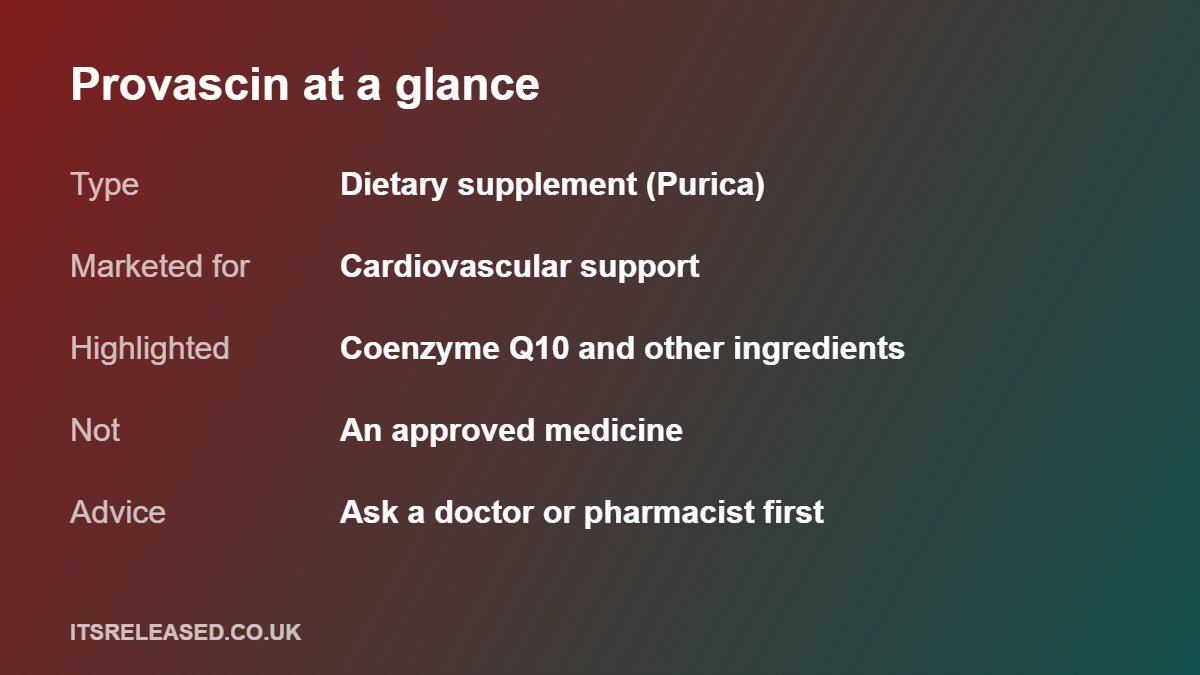
Provascin is sold by the Canadian supplement brand Purica as a cardiovascular support supplement. Retail listings describe it as a broad formula meant to support heart health in adults, and highlight ingredients such as coenzyme Q10, an antioxidant that plays a role in how cells produce energy. Listings also mention general goals such as supporting healthy cholesterol levels, stress and weight management.
Check the Label for Details
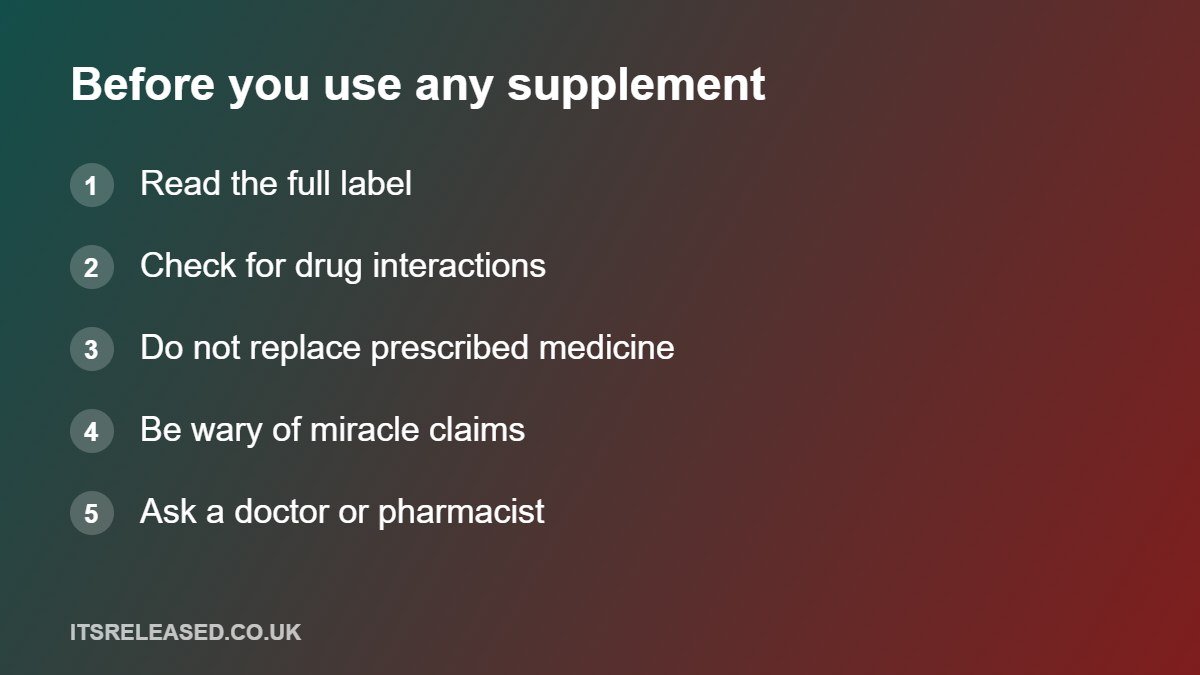
Ingredient lists and amounts can change between product versions and countries. Always read the label on the bottle you actually have, including the full ingredient list, the serving size and the warnings.

What the Sellers Claim, and How to Read It
Some sellers present the supplement as helping with a long list of things, from cholesterol and triglycerides to circulation problems and even “removal of toxic tissue waste”. Treat statements like these with care:
- Supplements are not medicines. In most countries, dietary supplements are not approved to treat, cure or prevent disease.
- Broad claims need strong evidence. Wide-ranging promises from one product are a warning sign unless backed by quality human studies.
- Ingredient research is not product research. Studies on a single ingredient do not prove that a particular blend works for you.
- Marketing language is not evidence. Words like “powerful” or “invincible” describe advertising, not results.
A Name Mix-Up to Avoid
Do not confuse Provascin with similarly named products. For example, Provasin is the name of a prescription cholesterol tablet sold in some countries. It is a different product, and a prescription medicine, not a supplement. If a doctor has prescribed a heart or cholesterol medicine, do not replace it or stop it because of something you read about a supplement.
Who Should Be Especially Careful?
- People who take prescription medicines, especially blood thinners, blood pressure or cholesterol medicines, since some ingredients can interact with them.
- People who are pregnant, breastfeeding or planning pregnancy.
- People with existing heart, liver or kidney conditions.
- Anyone with allergies who has not checked the full ingredient list.
Talk to a Professional First
Heart health is serious. A doctor or pharmacist can check whether a supplement is appropriate, whether it could interact with your medicines, and whether a proven option would suit you better. Do not use a supplement as a substitute for medical care, and seek urgent help for symptoms such as chest pain or shortness of breath.
Everyday Habits That Support Heart Health
Well-established habits include regular physical activity, a balanced diet, not smoking, managing stress, good sleep and regular checkups. These have far stronger evidence behind them than any single supplement.
More in Health
Shop and Browse Safely
When buying health products online, use reputable sellers and be wary of miracle claims and fake reviews. Protect your accounts using the tips in our guide to basic cybersecurity habits, and budget wisely with our budgeting guide.
Frequently Asked Questions
Is Provascin a medicine?
No. It is marketed as a dietary supplement, not an approved treatment.
Can it replace my heart medication?
No. Never stop or change prescribed medicine without your doctor.
Is it the same as Provasin?
No. Provasin is a different, prescription product.
Who should I ask before using it?
A doctor or pharmacist, especially if you take other medicines.
Final Thoughts
Provascin is a heart health supplement whose marketing makes many claims. Read the label, be skeptical of broad promises, avoid confusing it with prescription products, and talk to a healthcare professional before use.