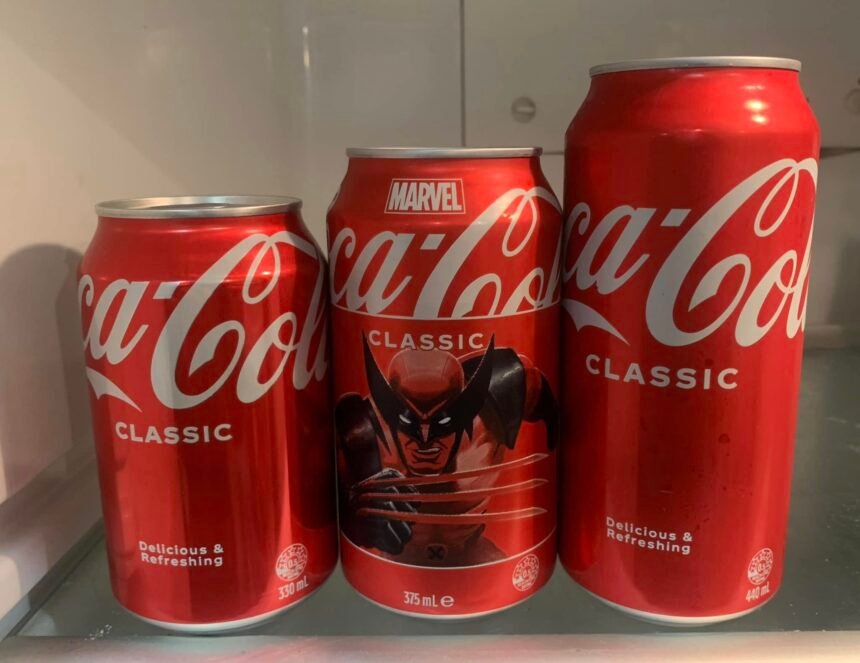
Coca-Cola has been a staple in the beverage industry for over a century, and its iconic packaging plays a significant role in its brand identity. Have you ever stopped to think about the various sizes of coke cans? From standard offerings to quirky miniatures and massive promotional versions, each size carries its own story and purpose. The evolution of coke can size reflects not only consumer preferences but also broader trends in health consciousness and marketing strategies. Let’s dive into the fascinating world of coke can sizes and discover what they reveal about our relationship with this beloved fizzy drink.
The history of coke cans and their sizes
The history of coke cans dates back to the 1960s when Coca-Cola first introduced aluminum cans. This revolutionary shift altered not just packaging but also how people consumed beverages on-the-go.
Initially, these containers came in a standard size of 12 ounces, which quickly became synonymous with the brand. The convenience and portability appealed to consumers, marking a pivotal moment for soft drinks.
As demand grew, Coca-Cola experimented with various sizes throughout the years. Mini cans emerged around the late 2000s as a response to changing health trends, allowing for smaller portions without sacrificing flavor.
Promotional giant cans have also made appearances at events and marketing campaigns, capturing attention and generating buzz. Each size tells its own story—reflecting innovation while catering to evolving consumer desires across generations.
Standard size coke cans in various countries
Coca-Cola has carved a niche in global culture, and its can sizes vary significantly from one region to another. In the United States, the standard coke can holds 12 fluid ounces (355 milliliters). This size is iconic, recognized by millions.
Traveling across the Atlantic to Europe, you’ll find that many countries prefer a slightly different approach. A common size there is often 330 milliliters. It’s compact yet satisfying for those who enjoy a quick refreshment.
In Asia, particularly Japan, unique sizes abound due to consumer preferences and regional marketing strategies. Here, cans may come in smaller portions like 250 or even 200 milliliters.
These variations reflect local tastes and cultural norms regarding beverage consumption. Each market tailors its offerings based on what resonates best with consumers while still keeping the classic Coca-Cola flavor intact.
Miniature and giant coke cans for special occasions
Coca-Cola has a knack for celebrating moments, big and small. Miniature coke cans have become popular party favors or additions to gift baskets. Their cute size appeals to collectors and adds a playful touch to any occasion.
On the flip side, giant coke cans also make an impression. They often serve as eye-catching centerpieces at events like birthday parties or corporate gatherings. These larger-than-life versions can hold drinks or be filled with treats, making them versatile decorations.
Both sizes offer unique ways to engage guests. Whether it’s tiny cans that spark nostalgia or massive ones that create excitement, Coca-Cola knows how to transform its iconic product into memorable experiences. It’s all about adding joy through creativity and surprise in unexpected formats.
The debate over reducing the size of coke cans for health concerns
The rising tide of health consciousness has sparked a debate around coke can size. Critics argue that larger servings contribute to unhealthy consumption patterns, particularly among young people.
Some health advocates push for smaller cans as a means to control portion sizes. They believe that reducing the amount in each can could encourage moderation and help combat obesity and diabetes.
On the other hand, fans of traditional sizes often claim that smaller options compromise enjoyment. Many feel that sharing a large drink is part of social experiences, whether at parties or movies.
Coca-Cola faces pressure from both sides: balancing consumer happiness with public health concerns. This ongoing conversation raises important questions about responsibility and choice in our beverage habits.
Alternative packaging options for Coca-Cola products
Coca-Cola has always been a pioneer in the beverage industry, and alternative packaging options reflect this innovative spirit. Beyond traditional cans, Coca-Cola offers sustainable choices like plant-based bottles made from renewable materials.
These eco-friendly options reduce reliance on fossil fuels and appeal to environmentally conscious consumers. Another trend gaining traction is the use of aluminum in smaller formats, promoting recyclability while maintaining freshness.
Additionally, multi-packs are becoming popular for families or gatherings. They provide convenience without sacrificing quality.
For those who enjoy a unique experience, Coca-Cola has experimented with limited-edition containers featuring eye-catching designs or themes that resonate with specific events and cultures.
By exploring these alternatives, Coca-Cola showcases its commitment to sustainability while catering to diverse consumer preferences across various markets. This versatility highlights the brand’s adaptability in an ever-changing landscape of consumer demands.
The impact of can size on consumer behavior and sales
Can size plays a crucial role in shaping consumer behavior. When faced with different options, people often gravitate towards familiar sizes. A standard 12-ounce can feels just right for many.
Psychologically, smaller cans may prompt consumers to feel less guilty about indulging. They perceive it as a single serving, making the experience more enjoyable without overwhelming guilt afterward.
On the flip side, larger cans or multipacks appeal to those seeking value. Consumers think they’re getting more for their money and may stock up during promotions.
Limited edition or novelty sizes also spark interest. These special releases create excitement and drive impulse purchases among collectors and fans alike.
Marketers understand this dynamic well and often experiment with sizing strategies to boost sales. The interplay between can size and consumer perception continues to evolve as trends shift over time.
Conclusion: Is bigger always better when it comes to coke can size?
When it comes to coke can size, opinions vary widely. Some consumers prefer the classic 12-ounce can, finding it just right for an afternoon refreshment. Others lean towards larger options for sharing or indulging during a movie night.
On the flip side, miniature cans are gaining popularity among health-conscious individuals looking to enjoy their favorite soda without overindulging. This shift reflects changing consumer preferences and a growing awareness of portion control.
Interestingly, discussions surrounding can sizes often revolve around health implications as well. Reducing the size of coke cans has been suggested as one way to combat rising obesity rates and promote healthier choices.
Coca-Cola also explores alternative packaging options like plastic bottles and eco-friendly containers, catering to environmentally aware consumers while maintaining product appeal. The impact of these various sizes on sales shows that marketing strategies must adapt alongside consumer habits.
Whether bigger is better largely depends on individual preferences and lifestyle choices. What remains constant is that the iconic Coke experience transcends its container — in any size.