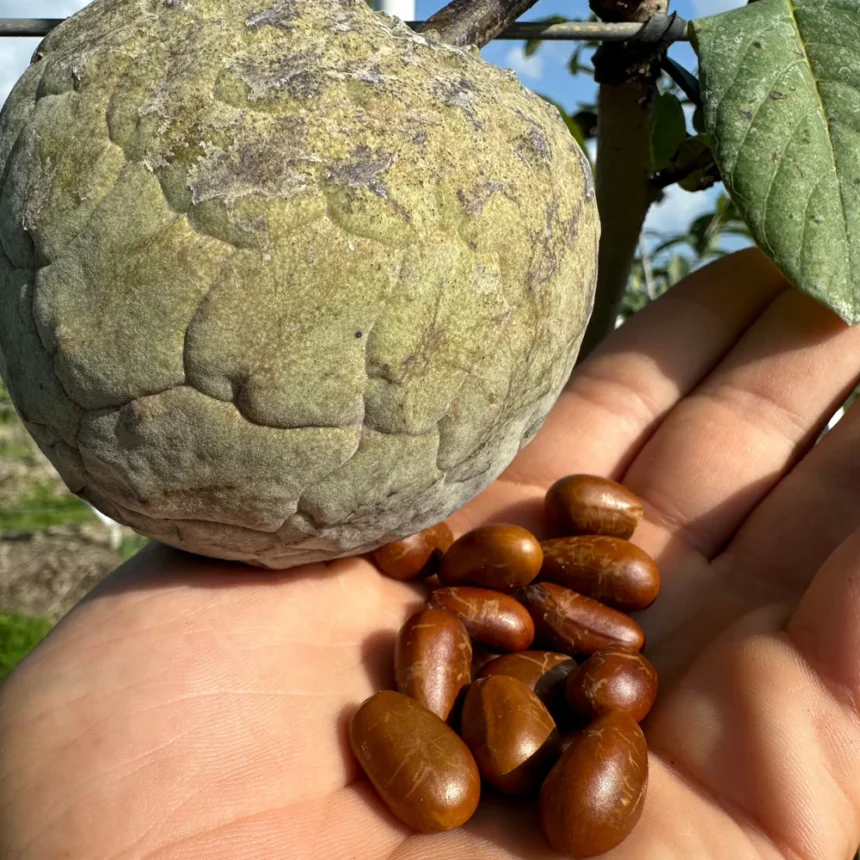
Ilama seed is becoming a growing topic among tropical fruit enthusiasts, gardeners, and health-conscious consumers looking for rare and exotic plants. Derived from the ilama fruit, a tropical species native to Central America, ilama seeds are valued for their role in cultivation, nutrition research, and the increasing popularity of exotic fruits worldwide.
As interest in tropical agriculture and rare fruit cultivation expands, more people are searching for information about ilama seeds, their benefits, uses, and how to grow them successfully. Whether you are a fruit collector, gardener, farmer, or someone exploring tropical superfruits, ilama seeds are worth learning about.
In this article, we will explore everything you need to know about ilama seeds, including their origin, health potential, growing methods, uses, and why they are becoming increasingly popular in exotic fruit communities.
What Is an Ilama Seed?
Ilama seeds come from the ilama fruit, scientifically known as Annona diversifolia. The fruit belongs to the Annonaceae family, which also includes cherimoya, sugar apple, and soursop.
The ilama fruit is native to Central America, especially regions of Mexico, Guatemala, and El Salvador. Inside the fruit’s soft creamy flesh are multiple dark brown or black seeds known as ilama seeds.
These seeds are mainly used for propagation and cultivation of ilama trees. Due to the fruit’s increasing demand among exotic fruit growers, ilama seeds are becoming highly sought after internationally.
Why Ilama Seeds Are Becoming Popular
The growing popularity of ilama seeds is linked to the rising demand for exotic fruits and tropical gardening. Many plant collectors and tropical fruit growers are interested in cultivating rare fruit trees that are difficult to find in traditional markets.
Several factors contribute to the increasing interest in ilama seeds:
- Growing demand for exotic fruits
- Interest in tropical home gardening
- Rare fruit collector communities
- Nutritional interest in tropical fruits
- Sustainable fruit cultivation trends
As more people discover tropical fruits beyond mangoes and bananas, ilama continues to attract attention for its unique flavor and rarity.
Nutritional Importance of Ilama Fruit
Although ilama seed themselves are mainly used for cultivation, the fruit they produce contains several beneficial nutrients.
Ilama fruit is believed to contain:
- Vitamin C
- Dietary fiber
- Natural antioxidants
- Potassium
- Calcium
- Natural carbohydrates
The creamy flesh of the fruit is sweet and aromatic, often compared to custard, cherimoya, or sugar apple.
Health Benefits Associated With Ilama Fruit
1. Rich in Antioxidants
Tropical fruits like ilama contain antioxidants that may help support overall wellness by protecting cells from oxidative stress.
2. Supports Digestive Health
The fiber content in ilama fruit may help support healthy digestion and regular bowel movements.
3. Natural Energy Source
Ilama fruit contains natural sugars and carbohydrates that can provide quick energy.
4. Supports Immune Function
Vitamin C found in tropical fruits may help strengthen the immune system and support healthy skin.
How to Grow Ilama Seeds
One of the biggest reasons people search for ilama seeds is to grow their own tropical fruit trees. Growing ilama from seed requires patience, proper climate conditions, and care.
Step 1: Obtain Fresh Seeds
Fresh ilama seeds usually germinate better than older dried seeds. Seeds should be cleaned thoroughly before planting.
Step 2: Soak the Seeds
Many growers soak ilama seeds in water for 24 to 48 hours before planting to encourage germination.
Step 3: Use Well-Draining Soil
Ilama seeds grow best in nutrient-rich, well-draining soil with good moisture retention.
Step 4: Maintain Warm Temperatures
Because ilama is a tropical species, warm temperatures are essential for successful germination.
Step 5: Provide Regular Watering
The soil should remain slightly moist but not overly wet.
Step 6: Be Patient
Ilama seeds can take several weeks or even months to germinate depending on environmental conditions.
Climate Requirements for Ilama Trees
Ilama trees thrive in tropical and subtropical climates. They prefer:
- Warm temperatures
- Humid conditions
- Full or partial sunlight
- Well-draining soil
Regions with mild winters and long warm seasons are ideal for cultivation.
Uses of Ilama Fruit
The fruit produced from ilama seeds is highly valued for its sweet creamy flesh. Common uses include:
Fresh Consumption
Most people enjoy ilama fresh due to its soft texture and tropical flavor.
Smoothies
Ilama pulp blends well into smoothies and fruit beverages.
Desserts
The creamy consistency makes ilama perfect for desserts, ice cream, and tropical recipes.
Fruit Bowls
Exotic fruit enthusiasts often combine ilama with other tropical fruits for colorful fruit platters.
Why Rare Fruit Collectors Love Ilama Seeds
Rare fruit collectors are constantly searching for unusual tropical species, and ilama seeds are considered valuable among collectors due to their limited availability.
The tree itself is attractive, productive, and capable of producing highly flavorful fruit. Since ilama is not commonly available in regular supermarkets, growing the tree from seed offers enthusiasts access to a unique tropical fruit experience.
Challenges of Growing Ilama Seeds
Although rewarding, growing ilama seeds can be challenging for beginners.
Some common challenges include:
- Slow germination
- Sensitivity to cold weather
- Need for tropical conditions
- Limited commercial availability
- Patience required before fruit production
However, dedicated growers often find the process worthwhile once the tree matures and begins producing fruit.
The Future of Ilama Seed Cultivation
As interest in sustainable agriculture and exotic fruits continues to grow, ilama seeds may become more commercially available worldwide.
Tropical fruit farming is expanding in many countries, and rare species like ilama are attracting both agricultural investors and home gardeners. Increased awareness through gardening communities and online marketplaces is helping introduce ilama to global audiences.
Final Thoughts
Ilama seed are gaining recognition among tropical fruit enthusiasts, rare plant collectors, and gardeners interested in cultivating exotic fruit trees. The seeds represent more than just propagation material — they are part of a growing movement toward tropical biodiversity, sustainable fruit cultivation, and natural nutrition.
Whether you are interested in growing your own ilama tree or simply learning about exotic fruits, ilama seeds offer a fascinating glimpse into the world of tropical agriculture.
As awareness of rare fruits continues to expand, ilama may soon become one of the most desirable tropical fruit species among growers worldwide.
Frequently Asked Questions (FAQ)
What are ilama seeds?
Ilama seed are the seeds found inside the ilama fruit (Annona diversifolia), a tropical fruit native to Central America.
Are ilama seeds edible?
Ilama seeds are generally used for planting rather than eating. The fruit pulp itself is the edible part.
How long do ilama seeds take to germinate?
Ilama seeds can take several weeks to several months to germinate depending on warmth, moisture, and seed freshness.
What does ilama fruit taste like?
Ilama fruit has a sweet creamy flavor often compared to cherimoya, custard, or sugar apple.
Where can ilama trees grow?
Ilama trees grow best in tropical and subtropical climates with warm temperatures and good sunlight.
Why are ilama seeds popular?
They are popular among exotic fruit growers, tropical gardeners, and rare fruit collectors.
Can ilama trees be grown in pots?
Young ilama trees can grow in containers temporarily, but mature trees perform better when planted in the ground.
Are ilama seeds rare?
Yes. Compared to common fruit seeds, ilama seeds are considered relatively rare and harder to find internationally.
What soil is best for ilama seeds?
Well-draining, nutrient-rich soil with moderate moisture is ideal for germination and growth.
Is ilama related to soursop?
Yes. Ilama belongs to the Annonaceae family, which also includes soursop, cherimoya, and sugar apple.