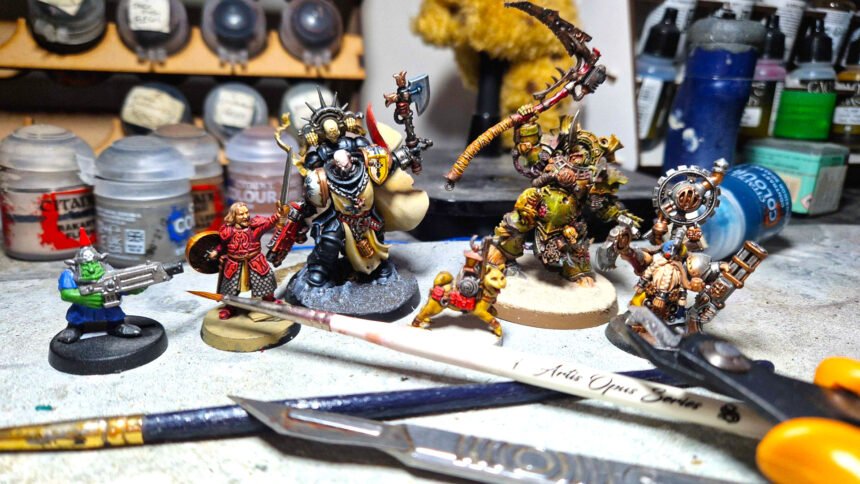
There’s something magnetic about a beautifully painted figure sitting on a shelf—a frozen moment of heroism, villainy, or adventure captured in meticulous detail. For gamers, these miniature works of art represent more than merchandise; they’re tangible connections to worlds we’ve spent countless hours exploring and characters we’ve grown to love. The painted figure market has exploded in recent years, with manufacturers producing stunning pieces that blur the line between collectible and fine art.
Yet for newcomers, diving into this hobby can feel overwhelming. Thousands of figures span dozens of franchises, price points range from modest to mortgage-worthy, and the fear of making a costly mistake keeps many enthusiasts on the sidelines. Where do you even begin? This guide cuts through the noise with expert-backed strategies for starting your painted figure collection the right way. You’ll learn what makes gaming figures special, how to build a collection step by step within your budget, how to decode pricing so you never overpay, and which popular figures deserve a spot in your display case first. Let’s turn that admiration into action.
The Allure of Gaming Collectibles: Understanding Painted Figures
Painted figures are professionally sculpted and hand-finished representations of characters from video games, tabletop RPGs, and digital entertainment. Unlike mass-produced toys, these pieces are crafted with artistic intent—every brushstroke on a figure’s armor, every gradient in a character’s cloak, represents deliberate creative choices that elevate them beyond simple merchandise into genuine art pieces. They serve as cultural icons that preserve gaming history, capturing character designs at specific moments in a franchise’s evolution.
The world of gaming collectibles spans several distinct categories. Static statues offer museum-quality detail and dynamic poses, often produced in polystone or high-grade PVC. Articulated action figures balance aesthetic appeal with poseability, letting collectors create their own scenes. Then there are limited editions and exclusive runs—numbered pieces produced in small batches that become instant conversation starters and potential investments. Some manufacturers release standard painted versions alongside premium variants featuring enhanced weathering effects, translucent elements, or alternate character expressions.
Starting a collection rewards enthusiasts on multiple levels. There’s the immediate visual pleasure of displaying characters you’ve journeyed with across hundreds of hours of gameplay. There’s the satisfaction of curating a personal gallery that reflects your taste and gaming history. And there’s the community dimension—connecting with fellow collectors who share your passion, trading insights about upcoming releases, and celebrating the artistry that brings virtual heroes into the physical world. Each figure you add tells a story, both the character’s and your own.
Your Figure Collection Journey: A Step-by-Step Starter Guide
Every impressive collection started with a single deliberate decision. The collectors who build cohesive, satisfying displays aren’t the ones who buy impulsively—they’re the ones who approached the hobby with intention from day one. Here’s how to set yourself up for long-term collecting success.
Step 1: Define Your Collecting Goals and Interests
Before spending a single dollar, grab a notebook and map out what genuinely excites you. Are you drawn to a specific franchise like Final Fantasy, Dark Souls, or The Legend of Zelda? Do you prefer a particular aesthetic—gritty realism, stylized anime designs, or classic pixel-era tributes? Some collectors focus on a single series, building a complete roster of characters. Others collect across franchises but stick to a unifying theme, such as protagonist figures only or villain showcases. Narrowing your focus prevents the scattered feeling that derails many beginners and gives your collection a visual identity that feels intentional rather than random.
Step 2: Set a Realistic Budget and Plan
Collecting painted figures is a marathon, not a sprint. Establish a monthly or quarterly budget you can sustain without financial stress—even modest amounts accumulate into impressive collections over time. Many experienced collectors recommend starting with mid-range pieces rather than immediately chasing expensive grail items. This approach lets you learn what you value in a figure (detail quality, scale, pose dynamism) before committing serious money. Consider setting aside a small “opportunity fund” for unexpected deals or limited pre-orders that won’t wait for next month’s budget cycle.
Step 3: Research and Acquire Your First Painted Figures
Research separates satisfied collectors from those stuck with buyer’s remorse. Before purchasing any figure, spend time reading collector reviews on forums and watching unboxing videos that show pieces from multiple angles—promotional photos can be misleading about actual paint quality and scale. Check manufacturer reputations; companies like Good Smile Company, First 4 Figures, and Kotobukiya have established track records, but even reliable brands occasionally produce weaker entries. When you’re ready to buy, stick to authorized retailers or well-reviewed marketplace sellers with strong return policies. Examine product photos carefully for consistent paint application, clean sculpt lines, and secure packaging details. For your very first purchase, choose a figure from your absolute favorite game—something that will bring you joy every time you see it, regardless of its market value. That emotional connection is the foundation everything else builds upon. Join collector communities on Reddit or Discord where members regularly share in-stock alerts, honest reviews, and warnings about counterfeit products flooding popular marketplaces.
Decoding Action Figure Prices: A Comparative Analysis
Understanding why one figure costs thirty dollars while a seemingly similar piece commands three hundred requires decoding the complex pricing ecosystem that governs this market. Price literacy is arguably the most valuable skill a new collector can develop—it protects you from overpaying, helps you recognize genuine deals, and allows you to build a more impressive collection within any budget.
Key Factors Influencing Action Figure Prices
Brand reputation sits at the top of the pricing hierarchy. Manufacturers with proven quality records—think Sideshow Collectibles, Prime 1 Studio, or Square Enix’s Play Arts Kai line—command premium prices because buyers trust the consistency of their output. Rarity amplifies cost dramatically; a figure limited to 500 units worldwide will always outprice an open edition of identical quality. Edition size works hand-in-hand with character popularity—a limited run featuring an iconic protagonist like Link or Cloud Strife escalates faster than an obscure side character in the same production numbers. Condition matters enormously in the secondary market, where a sealed box with mint packaging can double a figure’s value compared to an opened, displayed piece. Scale also plays a significant role, as quarter-scale statues require more material, more paint hours, and more complex engineering than their smaller counterparts. Finally, licensing fees vary between franchises, with some IP holders charging manufacturers more, and those costs inevitably pass to collectors.
Price Ranges for Popular Gaming Figures
Nintendo figures tend to offer accessible entry points, with quality pieces from manufacturers like Good Smile Company and First 4 Figures ranging from affordable Nendoroids to mid-tier scale statues. Square Enix’s in-house lines for Final Fantasy and Kingdom Hearts typically occupy the mid-to-upper range, reflecting detailed sculpts and complex character designs. Blizzard’s Overwatch and World of Warcraft statues from partners like Sideshow reach into premium territory, particularly for large-scale polystone pieces. FromSoftware properties like Dark Souls and Elden Ring have seen prices climb as demand outpaces supply on limited runs. Generally, expect PVC figures in the 1/7 to 1/8 scale range to represent the hobby’s sweet spot for quality-to-cost ratio.
Smart Shopping: Where to Find the Best Deals
Pre-ordering directly from manufacturer websites or authorized partners typically locks in the lowest retail price before aftermarket inflation kicks in. Japanese retailers like AmiAmi and HobbyLink Japan often offer figures at reduced prices compared to Western storefronts, though shipping costs require calculation. Specialty retailers such as OrzGK can be worth exploring for anime sculpture enthusiasts seeking pieces that may not appear on mainstream storefronts. Collector communities on Reddit, Facebook groups, and Discord servers frequently post flash sales, coupon codes, and alerts when retailers clear inventory. Secondary marketplace platforms such as MyFigureCollection’s sales section connect you with collectors offloading pieces at fair prices without reseller markups. Patience remains your greatest financial tool—figures that seem scarce at launch often receive re-releases or price corrections within twelve to eighteen months.
Spotlight on Popular Gaming Figures to Kickstart Your Collection
Certain figures have earned near-universal praise from the collecting community and make excellent starting points for new enthusiasts. The Legend of Zelda series offers some of the most visually striking options available, with Link figures capturing iconic poses from Breath of the Wild and Twilight Princess that look spectacular as display centerpieces. Dark Souls and Elden Ring figures from manufacturers like Banpresto and First 4 Figures have cultivated a devoted following, with boss characters like Artorias and Sif commanding attention both aesthetically and on the secondary market.
Final Fantasy protagonists—particularly Cloud Strife, Sephiroth, and characters from newer entries—remain perennial community favorites with strong resale trajectories. Nintendo’s Metroid series, especially Samus Aran statues, combines scarcity with passionate fandom demand, making them solid collection anchors. For those drawn to multiplayer universes, Overwatch and League of Legends figures offer diverse character rosters at various price tiers, letting you start accessible and scale up. When prioritizing your first purchases, lean toward figures that balance personal attachment with community popularity—pieces you’ll love displaying that also hold their value if your tastes evolve. Limited editions tied to game anniversaries or special events deserve particular attention, as their fixed production runs create natural scarcity that rewards early adopters. Watch community polls and “best of” lists to identify which releases generate the most sustained enthusiasm rather than fleeting hype.
Take the First Step Toward Building Your Dream Collection
Starting a painted figure collection doesn’t require deep pockets or encyclopedic knowledge—it requires intention, patience, and a willingness to learn as you go. The path forward is straightforward: define what excites you, set a budget that respects your financial reality, and research thoroughly before each purchase. Understanding price dynamics protects you from costly mistakes while helping you recognize genuine value when it appears. Popular figures from beloved franchises like Zelda, Final Fantasy, and Dark Souls offer reliable starting points that combine personal satisfaction with strong community support.
Beyond the figures themselves, this hobby connects you to a passionate community of like-minded enthusiasts who celebrate the artistry behind gaming’s most iconic characters. Every collector you admire today once stood exactly where you stand now—curious, slightly overwhelmed, but excited by the possibilities. The difference between admiring collections online and building your own comes down to taking that first step. Pick the character that means the most to you, do your homework, and bring them home. Your shelf is waiting, and the journey of building something uniquely yours starts with a single figure.