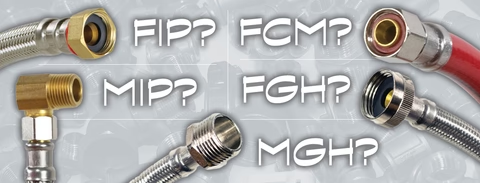
Introduction to FIP and Plumbing
When it comes to plumbing, terminology can often feel like a foreign language. Among the many acronyms and terms you might encounter, FIP stands out. But what does FIP mean in plumbing? Whether you’re a seasoned plumber or just starting your DIY journey, understanding this term is essential for navigating your home’s water systems effectively. In this article, we’ll dive into the meaning of FIP and explore its significance in plumbing applications. Let’s unravel the mystery behind those letters and discover why they matter for every homeowner!
Understanding the Term
FIP stands for Female Iron Pipe. This term is commonly used in plumbing to describe a type of threaded fitting that connects pipes together.
Understanding the term requires knowing its components. The “female” part indicates that the fitting has internal threads, allowing it to receive a male pipe or fitting with external threads. It’s essential for creating secure connections and ensuring proper flow within plumbing systems.
FIP fittings are typically made from materials like brass, steel, or iron. They offer durability and strength needed for various applications.
When choosing FIP fittings, it’s crucial to consider compatibility with your existing pipes. Proper sizing ensures leak-free joints and optimal performance throughout your plumbing system.
Types of FIP in Plumbing Systems
FIP, or Female Iron Pipe, comes in various forms within plumbing systems. Each type serves a distinct purpose tailored to specific applications.
One common type is the threaded fitting. These fittings allow for easy connection to male pipe ends. They create a secure seal while facilitating disassembly when needed—ideal for maintenance and repairs.
Another variation includes adapters that connect different materials. For example, FIP can transition from metal pipes to PVC or PEX with ease. This versatility helps plumbers navigate complex plumbing layouts without compromising integrity.
There are also specialized fittings designed for high-pressure environments. These robust options ensure durability under challenging conditions, making them essential in industrial settings.
Each type of FIP plays a crucial role in ensuring fluid movement throughout your plumbing system, balancing efficiency with strength and adaptability.
Benefits of Using FIP in Plumbing
FIP, or Female Iron Pipe, offers significant advantages in plumbing systems. Its design provides a reliable and secure connection for various piping materials. The threading allows for easier installation, making it a preferred choice among professionals.
Another benefit is its durability. FIP fittings withstand high pressures and resist corrosion over time. This longevity can lead to fewer replacements and repairs, saving you money in the long run.
Additionally, FIP connections are versatile. They work well with both metal and plastic pipes. This flexibility enables seamless integration into existing plumbing setups without major modifications.
Moreover, using FIP fittings enhances water flow efficiency within your system. Their tight seal minimizes leaks, ensuring that every drop counts—an essential factor for any effective plumbing solution.
Common Issues with FIP and How to Fix Them
FIP, or female iron pipe, fittings are essential in many plumbing systems. However, they can present some common issues.
Leaking joints often arise when connections aren’t tight enough. To fix this, ensure the threads are properly aligned and use Teflon tape for a secure seal. If leaks persist, consider replacing the fitting altogether.
Corrosion is another concern with FIP fittings. Over time, exposure to moisture can lead to rusting. Regular inspections can help identify corroded areas early on. Replacing affected fittings promptly will prevent further damage.
Another issue is difficulty during disassembly due to thread bonding over time. In such cases, applying heat gently may loosen stubborn connections without damaging the pipes.
Ensuring compatibility with different materials is crucial as mixing metals can cause galvanic corrosion. Always check your system’s specifications before installation for best results.
Tips for Maintaining FIP in Your Plumbing System
Regular inspections are key to maintaining FIP connections in your plumbing system. Check for any visible signs of wear, corrosion, or leaks around fittings.
Ensure that all joints are securely tightened but avoid overtightening, which can lead to damage. Use appropriate tools to prevent straining the materials.
Keep the area around your plumbing clean and free from debris. This helps you spot potential issues early before they escalate into costly repairs.
Consider using thread sealants specifically designed for FIP. These can enhance the integrity of the joints and reduce leakage risks over time.
Be mindful of water pressure levels in your system. Excessive pressure can stress FIP components, leading to premature failures. Invest in a pressure regulator if necessary to maintain optimal performance.
Conclusion
When navigating the world of plumbing, understanding terminology is crucial. FIP, or Female Iron Pipe, plays an important role in various plumbing applications. This term refers to a specific type of thread used on pipe fittings.
FIP connections are commonly found in residential and commercial piping systems. They create secure joints that help prevent leaks and maintain water flow efficiently. Knowing about FIP helps you recognize its importance in your plumbing projects.
Different types of FIP exist within plumbing systems. The most common include galvanized steel and PVC materials. Each has unique properties suited for particular uses, from carrying potable water to connecting appliances.
Using FIP offers several benefits, including durability and resistance to corrosion over time. These features make it a preferred choice among plumbers for reliable installations that last longer than other options.
However, it’s essential to be aware of potential issues with FIP connections. Leaks can occur if fittings are not properly tightened or if there’s wear over time due to pressure changes or temperature fluctuations. Regular inspections can help identify these problems early on.
Maintaining your FIP connections is simple but vital for long-term functionality. Check regularly for signs of wear or leaks and replace any damaged parts promptly. Proper installation techniques will also enhance the longevity of your system.
Understanding what FIP means in plumbing adds valuable knowledge to any homeowner’s toolkit when addressing their plumbing needs effectively.