River rock is a versatile and natural material that has been used for centuries in landscaping, construction, and design. With its smooth, rounded appearance and various sizes, river rock adds a touch of elegance and durability to any project. In this article, we will dive deep into what river rock is, its uses, benefits, and how to incorporate it into your landscape and construction projects.
What Is River Rock?
The Origins of River Rock
River rock, also known as river stone or cobblestone, refers to smooth, rounded stones that are naturally weathered and shaped by the flow of water in rivers, streams, and other water bodies. These stones are typically made of various types of igneous, metamorphic, or sedimentary rock that have been smoothed over time by the continuous movement of water. The result is a stone that is polished, with soft edges and an appealing aesthetic that makes it ideal for a wide range of uses.
Characteristics of River Rock
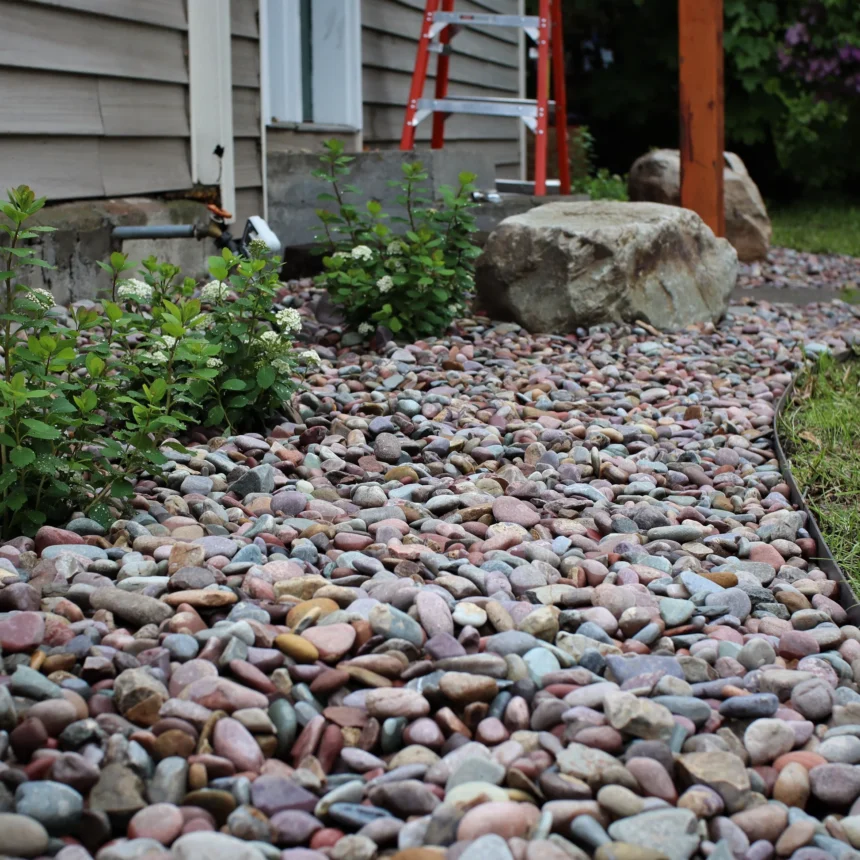
River rocks vary in size, shape, and color. Typically, they range from small pebbles to large boulders. Their colors can range from shades of gray, brown, beige, and even multi-colored hues, depending on the type of rock they originated from. The smooth, rounded edges of river rocks give them an attractive, polished look, making them ideal for landscaping, water features, and construction projects.
Common Uses of River Rock
Landscaping and Decorative Features
One of the most popular uses of river rock is in landscaping. Its smooth texture and natural color make it an attractive addition to gardens, walkways, and patios. Here are some of the most common landscaping applications for river rock:
-
Garden Borders: River rocks are perfect for creating natural garden borders. Their smooth surface helps to define garden areas without looking too rigid, and they blend well with various plant types.
-
Pathways and Walkways: River rocks create beautiful, durable pathways. Whether used as stepping stones or spread across a walkway, they provide a rustic, natural look that enhances any outdoor space.
-
Ground Cover: River rocks can be spread across flower beds, garden paths, or even under trees as ground cover. They provide a clean, weed-resistant surface that helps retain moisture and prevents soil erosion.
-
Water Features: River rocks are often used in water features such as ponds, fountains, and streams. Their smooth texture makes them ideal for creating natural-looking waterfalls, dry creek beds, or surrounding water garden areas.
Construction and Drainage
In addition to its aesthetic appeal, river rock also serves practical purposes in construction and drainage. Some of the most common uses include:
-
Drainage Solutions: River rocks are highly effective in drainage systems. They are often used in French drains and other drainage systems to help water flow freely through the soil, preventing water accumulation and reducing the risk of flooding.
-
Retaining Walls: When used in the construction of retaining walls, river rocks provide both structural support and aesthetic appeal. Their irregular shapes and sizes allow them to lock together, providing a stable foundation for retaining structures.
-
Concrete Mix: River rocks are sometimes incorporated into concrete mixtures for additional texture and strength. Their smoothness can contribute to the durability of the final product.
Benefits of Using River Rock
Aesthetic Appeal
One of the main reasons homeowners and landscapers choose river rock is its natural beauty. The smooth, rounded shapes and earthy tones blend seamlessly into outdoor environments, enhancing the overall aesthetics of any garden or landscape. Whether you’re aiming for a contemporary, minimalist look or a rustic, natural vibe, river rocks can complement a wide variety of design styles.
Durability and Longevity
River rock is incredibly durable. Because it is naturally weathered and shaped, it is resistant to fading, cracking, and erosion. It can withstand various weather conditions, including extreme heat, heavy rainfall, and freezing temperatures, making it ideal for outdoor applications.
Low Maintenance
Unlike wood chips or mulch, which need to be replenished regularly, river rocks require minimal maintenance. Once placed, they stay in position and require only occasional cleaning to keep them looking their best. They don’t decompose, so there is no need for constant replenishing.
Eco-Friendly
River rock is a sustainable and environmentally friendly option. It is a natural material that doesn’t require extensive processing or chemicals. Additionally, its longevity means it doesn’t need to be replaced as often, reducing waste and contributing to a more eco-conscious approach to landscaping and construction.
How to Incorporate River Rock Into Your Landscape
Creating a River Rock Garden
A river rock garden can create a serene, natural environment in your backyard. By combining river rock with drought-resistant plants, you can create a beautiful, low-maintenance garden that thrives in various conditions. Some plants that pair well with river rock include succulents, cacti, ornamental grasses, and lavender.
To design your own river rock garden, start by defining the space. Use larger rocks as borders or focal points and spread smaller rocks throughout the area for ground cover. You can even incorporate a small pond or water feature surrounded by river rock for added visual interest.
Using River Rock for Driveways and Paths
River rock can be used for driveways and walking paths to create a natural and stylish look. For driveways, larger river rocks work well, while smaller stones are ideal for creating comfortable and visually pleasing walking paths. To ensure proper drainage, lay down a layer of landscape fabric beneath the river rocks to prevent weeds from growing and keep the stones in place.
Incorporating River Rock into Hardscaping
If you’re looking to add texture and contrast to your hardscaping projects, consider using river rock. Whether you’re creating a stone patio, building a fire pit, or designing a retaining wall, river rock can enhance the overall appearance and functionality of your outdoor spaces.
River Rock in Water Features
River rocks are a natural choice for enhancing water features such as ponds, waterfalls, and fountains. Their smooth surface mimics the appearance of a riverbed, creating a calming and peaceful atmosphere. You can use river rock to line the edges of a pond, build a dry creek bed that directs water, or arrange it around a fountain for a polished, clean look.
How to Choose the Right River Rock for Your Project
Size and Shape
River rocks come in a variety of sizes, from tiny pebbles to large boulders. The size and shape of the river rock you choose will depend on the project you are working on. For example, smaller rocks are ideal for ground cover, while larger rocks are better for building retaining walls or water features. It’s essential to consider the scale of your project when selecting the appropriate size.
Color
The color of river rock can range from neutral grays and browns to vibrant reds, purples, and greens. Depending on the look you are aiming for, you can choose river rocks that complement your existing landscape or create a bold contrast. Make sure to choose colors that blend well with the overall theme and tone of your outdoor space.
Quality
When purchasing river rock, be sure to select high-quality stones that are free of cracks and defects. Low-quality river rock may not be as durable or aesthetically pleasing as premium options, so investing in quality material can ensure that your project lasts for years to come.
Cost of River Rock
Factors That Affect the Price
The price of river rock can vary based on several factors, including the size of the stones, the quality of the material, and the region in which it is purchased. Larger stones and specialty colors typically cost more, while smaller stones or bulk purchases may be more affordable. It’s a good idea to compare prices from different suppliers and consider any additional delivery or installation fees.
Is River Rock Worth the Investment?
While river rock can be more expensive upfront compared to other landscaping materials, its durability and low maintenance requirements make it a worthwhile investment in the long run. Once placed, river rock can last for years without needing to be replaced, which saves you money on maintenance and replacement costs.
Conclusion
River rock is a versatile, durable, and beautiful material that can elevate the look of any landscape or construction project. Whether you’re designing a garden, building a pathway, or enhancing a water feature, river rock’s smooth, natural appearance adds elegance and functionality. With its low maintenance, eco-friendly properties, and long-lasting durability, it’s no wonder that river rock is a popular choice for homeowners and landscapers alike.
By understanding its various uses and how to select the right river rock for your project, you can transform your outdoor space into a stunning and functional area that will stand the test of time.