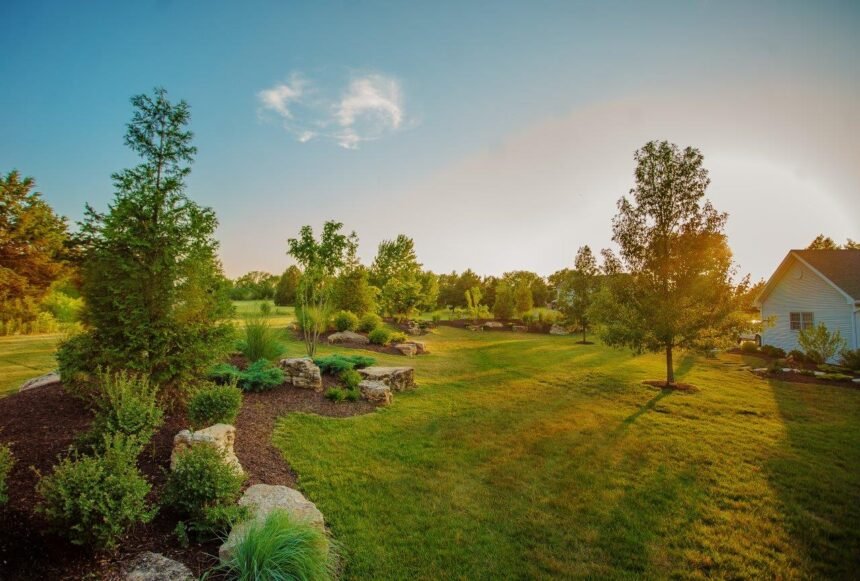
Imagine stepping into your yard and being greeted by a beautiful, rolling landscape that adds depth and interest to your outdoor space. This transformation can be achieved with the addition of a landscape berm—a raised mound of soil that not only enhances visual appeal but also provides numerous practical benefits. Whether you’re looking to create privacy, manage drainage, or simply elevate the aesthetics of your garden, a landscape berm is an excellent solution. Let’s explore what exactly a landscape berm is, why you should consider adding one to your yard, and how to make it happen!
What is a Landscape Berm?
A landscape berm is essentially a raised, mound-like feature created from soil and organic materials. It serves as an effective design element in landscaping, providing both visual interest and functional advantages.
Typically formed in various shapes and sizes, landscape berms can vary from gentle hills to more dramatic elevations. They are often strategically placed to enhance the natural contours of your yard or garden.
These earthy mounds are versatile. You might fill them with native plants, flowers, or even ornamental grasses that thrive on their slopes. This not only adds beauty but also encourages biodiversity in your outdoor space.
In addition to aesthetics, a well-placed landscape berm can help manage water drainage by directing runoff away from certain areas. This makes it a practical choice for anyone looking to improve their yard’s overall health while achieving stunning results.
Benefits of Adding a Landscape Berm to Your Yard
A landscape berm can transform any yard into a visually appealing sanctuary. By adding elevation, it introduces depth and dimension to your outdoor space, breaking the monotony of flat lawns.
These raised mounds assist with drainage as well. They help divert water away from structures, reducing erosion while promoting healthier soil conditions for surrounding plants.
Berms also create natural barriers against noise and wind. This adds not just beauty but also comfort to your environment.
Wildlife loves them too! Birds and butterflies are drawn to diverse plantings on berms, encouraging biodiversity in your garden.
The aesthetic appeal cannot be overstated. A beautifully designed berm enhances curb appeal and can increase property value. The possibilities are endless when you incorporate this feature into your landscape design.
Types of Berms and How to Choose the Right One for Your Yard
When considering a landscape berm, it’s important to understand the different types available. Each serves unique purposes and can elevate your outdoor space.
There are aesthetic berms designed primarily for visual appeal. These often feature ornamental plants and flowers that create a stunning focal point in your garden.
Then you have functional berms. These serve practical uses like controlling drainage or blocking unwanted views. They can be strategically placed to redirect water flow away from your home.
Another option is wildlife-friendly berms, which encourage biodiversity by providing habitats for various species. Incorporating native plants attracts pollinators and birds while enhancing the ecological value of your yard.
Choosing the right type involves assessing your yard’s needs. Consider factors such as sun exposure, soil quality, and existing landscaping features before making your decision. A thoughtful approach ensures that your landscape berm complements both function and beauty in harmony with nature.
Step-by-Step Guide to Building a Landscape Berm
Building a landscape berm is a rewarding project that can transform your yard. Start by selecting an ideal location, ensuring it gets the right amount of sunlight and complements your garden layout.
Next, determine the size and shape of your berm. Use stakes and string to outline its boundaries. This helps visualize how it will fit into your space.
Dig out the area within the boundary to create a gentle slope on all sides. Aim for a height of one to three feet for best results.
Once shaped, fill in with quality soil, mixing in organic matter like compost for nutrient-rich content.
After filling, you can add drought-resistant plants or grasses at varying heights for visual interest. Mulch around them to retain moisture and suppress weeds effectively.
Water thoroughly after planting, making sure everything settles well into place before stepping back to admire your handiwork!
Maintenance and Care Tips for Your Landscape Berm
Regular upkeep is essential for a thriving landscape berm. Start with routine inspections to check for any erosion or uneven settling. Address these issues promptly to maintain its shape and function.
Watering is crucial, especially during dry spells. Ensure your plants receive adequate moisture without oversaturating the soil, which can lead to root rot.
Mulching helps retain moisture while suppressing weeds around your berm’s base. Use organic materials like wood chips or shredded bark to create an attractive layer that promotes healthy growth.
Pruning is another key aspect of maintenance. Trim back overgrown plants as needed to keep the design tidy and promote airflow between them.
Consider seasonal adjustments based on climate changes and plant health. This thoughtful care will ensure your landscape berm remains vibrant year-round, adding beauty and interest to your yard’s overall aesthetic.
Creative Ideas for Incorporating a Landscape Berm into Your Yard Design
A landscape berm can be a versatile feature in your yard design. Use it to create distinct zones, separating outdoor areas like gardens and seating spaces. This adds depth while enhancing privacy.
Consider planting native flowers on the slope of the berm. They attract pollinators and add vibrant colors throughout the seasons. You could also intersperse ornamental grasses for texture.
For a more functional approach, use your berm to redirect water runoff away from problem areas. By strategically placing plants, you can encourage natural drainage.
Lighting is another creative addition. Illuminate your berm with soft garden lights or solar fixtures to highlight its contours at night.
Think about adding seating options atop the berm for an elevated view of your landscape, transforming it into a cozy retreat amidst nature’s beauty.
Conclusion
Creating a landscape berm can transform your outdoor space into a captivating and functional area. By understanding the purpose of these raised earth formations, you are equipped to enhance your yard’s aesthetics while improving drainage and soil health.
Whether you’re looking to add visual interest or create privacy, selecting the right type of berm is essential. From simple mounds for planting to more elaborate designs that incorporate rocks and pathways, there’s no shortage of creativity in how you approach this project.
Building a landscape berm may seem daunting at first, but with a straightforward guide in hand, even novice gardeners can achieve impressive results. Regular maintenance will ensure that your new feature continues to thrive over time.
As you consider incorporating a landscape berm into your yard design, think about how it fits within the overall scheme of your garden. Use plants that complement its shape and height while adding color and texture throughout different seasons.
A thoughtfully designed landscape berm not only enhances beauty but also adds functionality to your space—creating inviting areas for relaxation or play. With careful planning and execution, you’ll enjoy all the benefits this landscaping element brings for years to come.