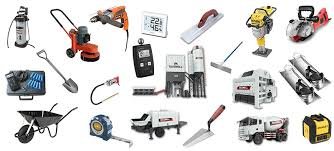
Whether you are laying a garden path, building a garage base, or taking on a larger construction project, having the right equipment makes a real difference. Concrete work is not just about the material itself. The tools you use to mix, place, and finish it can determine whether the job goes smoothly or ends in frustration.
This guide covers the core concrete mix tools used on modern projects, from small domestic jobs to commercial pours, and explains what each one does and when you might need it.
Measuring and Calculating
Before any mixing begins, you need to know how much concrete you are working with. Getting this wrong is one of the most common and costly mistakes in construction.
Measuring tape, volume calculators, and gauging tools are all classed as concrete mix tools in their own right. They help you work out the cubic metres needed for your specific project, which avoids over-ordering or running short mid-pour. Digital calculators have largely replaced manual methods on most sites, and many are available online or as mobile apps.
Mixing Equipment
For smaller jobs, a plastic mixing tub or wheelbarrow paired with a shovel or spade is still widely used. These are low-cost options suited to jobs using a single bag of cement or a small pre-mixed quantity.
For mid-sized projects, a drum mixer or paddle mixer is the more efficient choice. Drum mixers rotate the material inside a barrel to combine aggregates, cement, and water. Paddle mixers work differently, using rotating paddles inside a static drum to blend materials more thoroughly. The paddle design is often preferred for screed mixes and floor applications.
For larger pours, especially on commercial or hard-to-reach sites, a volumetric mixer takes over. These lorry-mounted units carry dry materials and water separately, combining them on demand. This means you only mix what you use, which reduces waste and gives you more control over the final volume.
Placing and Spreading Tools
Once mixed, concrete needs to be placed and spread accurately. The main tools here include:
- Concrete rakes for spreading large amounts across a base
- Bull floats for levelling freshly poured concrete over wide areas
- Screeding boards for striking off concrete to a consistent level
- Hand floats and trowels for finishing the surface
Each of these plays a different role. The screeding board is dragged across temporary guides to remove excess material and bring the surface level. Hand trowels are used after the concrete begins to stiffen, to smooth the top finish.
Compaction and Finishing
Air bubbles and gaps left in poured concrete can weaken the finished slab. A vibrating poker or vibrating screed removes these by consolidating the mix from the inside. This is particularly important on structural pours where strength ratings such as C30 or C35 are specified.
For decorative or smooth finishes, power floats are used once the surface is firm enough to walk on without leaving deep impressions. These petrol or electric machines rotate large steel blades across the surface to produce a polished finish.
Pumping Equipment
On sites where direct lorry access is not possible, concrete pumps take over as the delivery tool. Line pumps push concrete through steel and rubber pipes laid across the ground, covering distances of 100 metres or more. Boom pumps use a crane arm to elevate and direct the flow, which is useful for reaching over walls, scaffolding, or elevated floors.
Understanding how pumping equipment interacts with your chosen concrete mix tools matters because not every mix is suitable for pumping. Mixes need a certain workability and consistency to travel through pipes without blockages.
Choosing the Right Tools for the Job
The scale and nature of your project should guide your tool selection. A small domestic job needs basic hand tools and a mixing tub. A commercial slab requires power equipment, compaction tools, and potentially pumped delivery.
Investing in or hiring the right equipment upfront saves time, reduces material waste, and produces a better result. It also reduces physical strain, particularly on larger pours where hand mixing would be impractical.
Getting familiar with the full range of tools available is a useful step for anyone who works with concrete regularly or is planning a project for the first time.