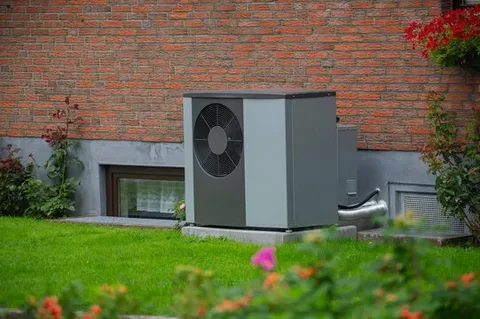
Heat pumps have become an increasingly popular choice for residential heating and cooling due to their energy efficiency, low environmental impact, and ability to provide year-round climate control. But like all mechanical systems, heat pumps are not built to last forever. Over time, they wear down, become less efficient, and may no longer meet the comfort needs of a home.
This comprehensive guide explores everything you need to know about replacing your heat pump—from recognizing the signs of decline to selecting the right system for your home. Whether you’re dealing with an aging unit or simply exploring options to improve comfort and energy savings, understanding the process and benefits of a heat pump replacement will help you make an informed decision.
What Is a Heat Pump?
A heat pump is a versatile HVAC system that provides both heating and cooling using electricity. Instead of generating heat like a furnace, it moves heat from one place to another. In winter, it extracts heat from the outside air (even in cold temperatures) and transfers it indoors. In summer, it reverses this process, removing heat from inside the home and expelling it outside, similar to an air conditioner.
Heat pumps are highly efficient because they move heat rather than generate it, offering excellent performance in moderate climates. However, their dual-purpose function means they run year-round, leading to more wear and tear compared to single-purpose HVAC systems.
How Long Does a Heat Pump Last?
The average lifespan of a heat pump ranges from 10 to 15 years, depending on usage, maintenance, and environmental conditions. Well-maintained systems may last closer to 15 years or more, while units exposed to harsh weather or irregular servicing may require earlier replacement.
As the unit ages, its components may wear out, leading to declining efficiency, increased repair needs, and inconsistent comfort. At some point, the cost of keeping an aging system running outweighs the benefits, and a heat pump replacement becomes the more economical and reliable choice.
Signs That It’s Time to Replace Your Heat Pump
Recognizing the warning signs early can save you from unexpected breakdowns, high energy bills, and costly repairs. Here are some indicators that it may be time to consider replacing your heat pump:
1. Age of the Unit
If your heat pump is over a decade old and beginning to show signs of wear, it’s a good idea to start planning for a replacement. Technology has advanced significantly in the last 10–15 years, and newer systems are far more efficient and quieter.
2. Frequent Repairs
When you’re calling your HVAC technician more than once or twice a year for repairs, the costs add up. Instead of sinking more money into an old system, investing in a new one will provide better reliability and performance.
3. Rising Energy Bills
One of the clearest signs of declining performance is increased energy consumption. If your energy bills are going up despite similar usage patterns, your heat pump may be losing efficiency.
4. Inconsistent Temperatures
If certain rooms in your home are always too warm or too cold, or if the system struggles to keep up with demand, it’s a sign that your heat pump may no longer be operating as it should.
5. Strange Noises or Smells
Odd noises such as rattling, grinding, or buzzing may indicate internal mechanical issues. Likewise, musty or burnt smells could be signs of mold growth, overheating parts, or electrical problems—all serious concerns in an older system.
Benefits of Replacing Your Heat Pump
Opting for a heat pump replacement offers many benefits that go beyond just avoiding system failure. Newer heat pumps are designed with efficiency, comfort, and convenience in mind. Here’s what you gain from an upgrade:
1. Improved Energy Efficiency
Modern heat pumps are significantly more efficient than older models. Features like variable-speed compressors, smart thermostats, and inverter technology help new systems use less energy while delivering better performance.
2. Lower Operating Costs
Because of their high efficiency, new heat pumps reduce monthly energy bills. Over time, these savings can offset a substantial portion of the initial investment.
3. Enhanced Comfort
New systems offer better temperature control, humidity management, and quieter operation. Many also include zoned heating and cooling options, allowing for customized comfort throughout the home.
4. Advanced Technology
Smart features, app integration, and remote monitoring are standard on many newer systems. This means you can adjust settings, monitor energy usage, and detect problems from your smartphone or tablet.
5. Eco-Friendliness
New heat pumps are more environmentally friendly, not just due to lower energy use but also because they use newer, more sustainable refrigerants that don’t deplete the ozone layer.
Choosing the Right Heat Pump for Your Home
When replacing your heat pump, it’s essential to choose the right system based on your home’s needs, size, and climate. Here are the key factors to consider:
1. System Size
A system that’s too small won’t provide sufficient comfort, while one that’s too large may short-cycle, causing wear and energy waste. A professional HVAC contractor will perform a load calculation (Manual J) to determine the right size for your home.
2. Efficiency Ratings
- SEER (Seasonal Energy Efficiency Ratio) measures cooling efficiency.
- HSPF (Heating Seasonal Performance Factor) measures heating efficiency.
The higher these ratings, the more efficient the unit. Look for ENERGY STAR® certified systems to ensure optimal performance.
3. Type of Heat Pump
You can choose from different types:
- Air-source heat pumps (most common)
- Ductless mini-split systems
- Geothermal heat pumps
Each has pros and cons depending on your home layout, budget, and goals.
4. Refrigerant Type
Ensure the system uses an eco-friendly refrigerant such as R-410A or R-32, both of which meet current environmental standards.
5. Noise Levels
If quiet operation is important to you, compare decibel (dB) ratings of different models. New systems often operate at sound levels equivalent to a quiet conversation.
The Process of Heat Pump Replacement
Replacing your heat pump involves several key steps:
1. Initial Consultation
An HVAC technician will inspect your existing system, evaluate your needs, and offer recommendations for replacement systems.
2. Removal of the Old Unit
The old heat pump is safely disconnected and removed. Refrigerants are recovered and disposed of according to environmental regulations.
3. Installation of the New System
The new heat pump is installed, tested, and integrated with your existing ductwork or setup. Technicians will ensure proper airflow, thermostat calibration, and functionality.
4. System Testing and Walkthrough
Your installer will test the system’s heating and cooling cycles, check electrical connections, and explain how to use and maintain the new system.
The entire heat pump replacement process typically takes one day, depending on the complexity of the system and condition of the surrounding infrastructure.
Maintenance After Replacement
Once your new system is up and running, maintaining it properly is critical to maximizing its lifespan and performance. Here’s what you should do:
- Change air filters regularly (every 1–3 months)
- Schedule annual professional tune-ups
- Keep the outdoor unit free of debris
- Monitor thermostat settings and energy usage
Consistent maintenance ensures that your investment continues to deliver value for many years to come.
Cost Considerations
The cost of a heat pump replacement depends on factors such as system size, brand, efficiency, and installation complexity. On average:
- Basic systems start around $4,000–$6,000
- High-efficiency or ductless systems can cost $8,000–$12,000 or more
Additional costs may apply if ductwork needs repairs or if you’re switching from a different type of HVAC system. However, rebates, tax credits, and financing options can help make the investment more manageable.
Final Thoughts
A heat pump is an essential part of a modern, energy-efficient home. When your current system starts showing signs of age, rising costs, or failing performance, a heat pump replacement may be the smart solution. Not only will you regain reliable heating and cooling, but you’ll also enjoy improved efficiency, lower energy bills, and enhanced indoor comfort.
Before making the decision, evaluate your system’s age, consult with a qualified professional, and explore your options. A well-chosen and professionally installed heat pump can provide years of dependable service—keeping your home comfortable in every season.