Imagine stepping into your shower after a long day, only to face a weak dribble instead of a refreshing spray. That frustrating trickle ruins your routine and leaves you feeling shortchanged. This guide walks you through spotting and solving no water pressure in shower issues, from quick cleans to deeper plumbing checks. We’ll cover everything to get your water flowing strong again.
You know how vital good pressure feels—think of it as the difference between a spa day and a chore. Water pressure measures in gallons per minute, or GPM. Most showers aim for 2.5 GPM for that satisfying blast. Low numbers mean a sad shower, but don’t worry; fixes are often simple.
Immediate Checks – The Low-Hanging Fruit Solutions
Start with the easy stuff right in your bathroom. These steps tackle the most common culprits for low shower pressure. They take little time and no special skills.
Inspecting the Showerhead and Restrictor
Hard water leaves behind mineral gunk that plugs up your showerhead nozzles. Over time, this buildup turns a full stream into a sputter. You can clean it yourself with basic supplies.
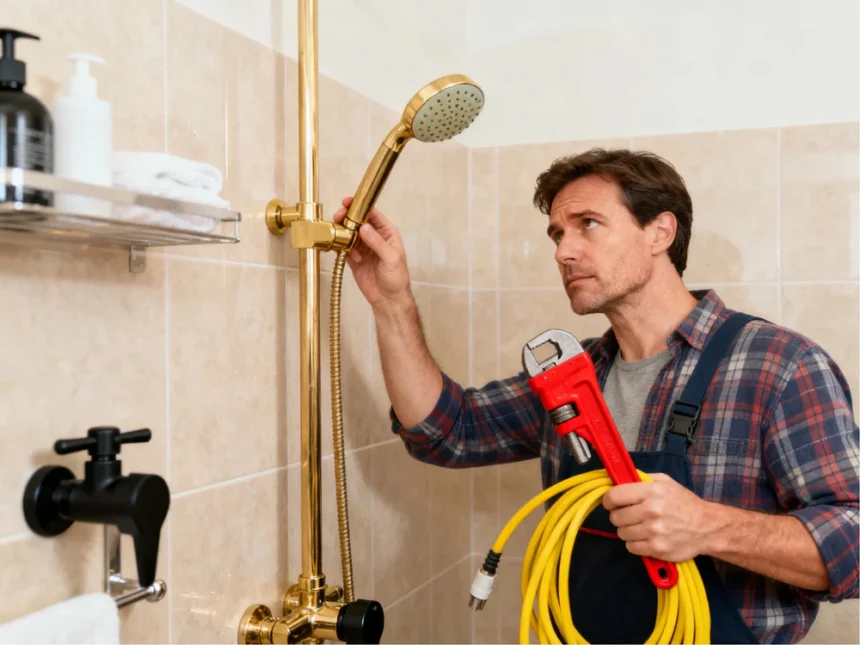
First, unscrew the showerhead by hand or with a wrench wrapped in cloth to avoid scratches. Soak it in a mix of equal parts white vinegar and warm water for 30 minutes. Scrub the holes gently with a toothbrush, then rinse well. Reattach it and test the flow—many folks see big improvements here.
Now, check for the flow restrictor. It’s a small plastic disc inside the showerhead, added to save water per federal rules. Twist off the showerhead and look for it near the connection point. If you want more pressure, remove it carefully, but know your local codes might limit this. Some areas fine high-flow setups. If removal isn’t an option, buy a new showerhead rated for higher GPM.
Testing the Faucet and Fixtures
Does the problem hit just your shower, or the whole house? Turn on sinks and the tub faucet at the same time. Strong flow elsewhere points to a shower-specific issue. Weak everywhere suggests a bigger problem, like the main line.
If you have a tub with a shower combo, the diverter valve might be the sneak. It switches water from tub spout to showerhead. Wear inside or stuck debris can block the path. Pull the spout or knob and inspect for grime. Clean it with vinegar, or replace if it’s old and cracked. Test by running water through both paths.
These checks narrow things down quick. You save money by spotting local fixes first.
Understanding Pressure Drop – Internal Plumbing Culprits
Once basics are clear, look inside the pipes. Hidden issues like clogs or faulty parts often cause ongoing low water pressure in shower setups. We’ll break it down.
Investigating Clogged Water Supply Lines
Old pipes, especially galvanized steel ones from decades ago, rust and scale up inside. This narrows the path, choking water flow like a kink in a garden hose. Symptoms vary: a full block stops water cold, while partial clogs make pressure dip and rise.
Spot this if pressure worsens over years or after heavy use. In homes built before 1980, it’s common—stats show up to 40% of older systems face corrosion. Flush the lines by shutting off the main valve, then opening fixtures to push out debris. If that fails, snake the line with a plumber’s tool from the access point.
Newer copper or PEX pipes resist this better, but sediment from city water can still build. Regular flushing keeps things smooth.
The Role of the Water Pressure Regulator (PRV)
Your home’s PRV keeps water from bursting pipes during city surges. It sits near the main entry, often in the basement or garage. When it fails, pressure swings wild—strong one minute, weak the next across all taps.
Failing signs include leaks near the unit or hissing sounds. Test your static pressure with a $10 gauge from a hardware store. Screw it to an outdoor hose bib or sink faucet, then read the number with no water running. Aim for 40-60 PSI; above 80 harms fixtures, below 30 starves your shower.
If low after the PRV, it might need adjustment or replacement. Turn the screw on top clockwise for more pressure, but don’t force it. Call a pro for installs, as they handle codes and warranties.
Water Heater Connection Issues
Hot showers fizzling out? The heater could be the thief. Sediment piles in the tank bottom, restricting hot water flow after a few minutes. Cold water runs fine, but hot weakens.
Check the shutoff valve on the cold inlet side—it’s easy to overlook. If half-closed from past work, open it full. Inside, minerals clog the dip tube that feeds cold water in. Flush the heater yearly: turn off power, drain via the bottom valve into a hose outside. Refill and test.
Tankless heaters face less buildup but need descaling filters checked. About 60% of low hot pressure ties back here, per plumbing reports.
Advanced Diagnosis – System-Wide Pressure Problems
If home checks flop, think bigger. Whole-house issues stem from entry points or outside forces. These demand careful testing.
Sediment Buildup in the Main Water Line
Debris from the street sneaks in and settles at bends or valves. Your main shutoff, usually near the meter, collects the worst. This cuts pressure before it reaches taps.
Test pressure before and after the PRV if you can access both spots. Low before means city-side trouble; low after points to home lines. Shut off the main, open all faucets, then reopen slowly to flush junk. Buckets catch the mess.
In areas with old infrastructure, this hits 20% of homes yearly. Install a whole-house filter to catch future grit.
Municipal Supply Pressure Fluctuations
Your city water isn’t always steady. Neighbors watering lawns in summer or hydrant tests drop supply. You notice it as random low spells, often evenings.
Check your utility’s site or call— they post alerts for maintenance. In April 2026, many spots face upgrades causing dips. If it lasts days, log times and report it.
Boosters like inline pumps help chronic lows, but confirm with pros first. Track patterns to rule out home faults.
DIY vs. Professional Intervention
You can handle some fixes, but know your limits. Weigh risks before digging in.
When to Call a Licensed Plumber
Skip the DIY if walls need opening for pipe swaps or the PRV acts up. Main line clogs or corrosion demand tools you likely lack. Pros spot hidden leaks too, saving water bills.
Look for licensed techs with five-star reviews on similar jobs. Ask for upfront quotes and insurance proof. Expect $150-300 for basic calls, more for repairs.
Decision tree: If pressure’s house-wide and tests fail, dial now. Delays worsen damage.
Essential Tools for Self-Diagnosis
Grab these basics: adjustable wrench for fittings, bucket for drips, white vinegar for cleans, pressure gauge for reads, and safety glasses. A flashlight helps in tight spots.
To isolate, shut valves one by one and test flow. Bypass the showerhead by capping the arm temporarily—safe for short checks. Flashlight in, gauge on, and you’re set.
Conclusion: Maximizing Your Shower Flow
Low water pressure in shower often boils down to clogged heads, faulty regulators, or pipe scale. We’ve covered checks from quick soaks to pressure tests, helping you reclaim that powerful rinse.
Key takeaways:
- Always start with the showerhead—cleaning fixes 70% of cases.
- Test hot vs. cold to flag heater woes.
- Use a gauge; ideal PSI keeps things balanced.
- Flush lines yearly to dodge buildup.
Stay on top of maintenance, and your showers stay epic. Grab tools today and turn that trickle into a torrent.