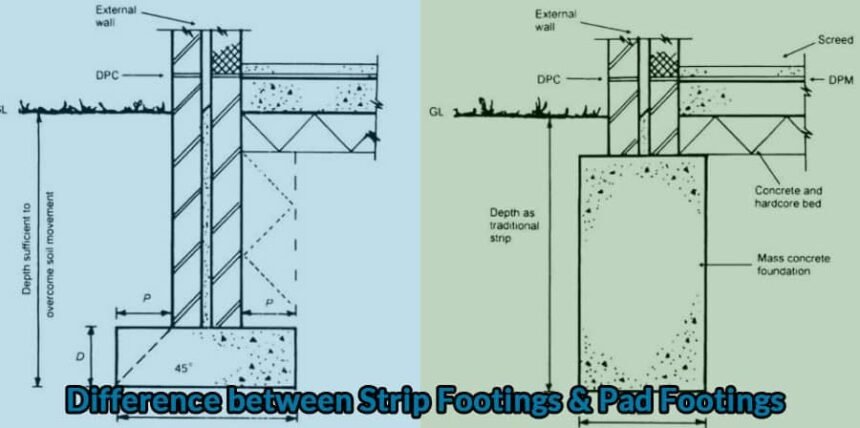
Introduction to Strip Footings
When it comes to building structures that stand the test of time, the foundation is everything. Among various foundation types, strip footings play a crucial role in distributing weight and supporting structural loads. If you’re curious about how strip footings contribute to stability and integrity, you’re not alone. Understanding their function can clarify why they’re often a preferred choice for many construction projects.
In this blog post, we will explore what strip footings are all about. We’ll dive into their different types, essential design factors, and even take you through the construction process step by step. Whether you’re an aspiring builder or simply someone interested in how buildings work from the ground up, understanding how strip footings support structural loads in buildings will provide valuable insights into modern construction practices. Let’s get started!
Types of Strip Footings and Their Functions
Strip footings come in various types, each designed to meet specific structural needs. The most common type is a continuous strip footing. This design runs along the length of a wall or column, effectively distributing weight over a larger area. It’s ideal for load-bearing walls in residential buildings.
Another popular option is the combined strip footing. This type supports two or more columns that are closely spaced together. It helps manage uneven loads and prevents excessive settlement.
For sites with challenging soil conditions, you might encounter strap footings. These connect two isolated footings through a beam, bridging gaps between them while providing extra stability.
There are deep strip footings which extend deeper into the ground compared to standard designs. They offer enhanced support in areas where surface soils may not be reliable enough to handle heavy loads efficiently. Each type serves its purpose based on unique project requirements and site conditions.
Factors to Consider When Designing Strip Footings
When designing strip footings, soil characteristics are paramount. Understanding the type of soil, its load-bearing capacity, and moisture content can significantly influence footing depth and width.
Next is the building’s structural loads. The weight from walls, roofs, and any additional equipment impacts how much pressure will be exerted on the foundation.
Another factor is local climate conditions. Freeze-thaw cycles or heavy rainfall could affect settling and should be taken seriously during design.
Don’t overlook nearby structures as well. Their proximity might necessitate specific adjustments to ensure stability without compromising neighboring properties.
Regulatory requirements play a critical role in design decisions. Building codes often dictate minimum standards for safety that must be adhered to throughout the process.
Construction Process of Strip Footings
The construction process of strip footings begins with excavation. Crews carefully dig trenches along the foundation line, ensuring they reach a depth that prevents soil movement. This step is crucial since stable ground supports the entire structure.
Once excavated, formwork is installed to shape the footing. It provides a mold for pouring concrete, allowing precise dimensions and alignment. Skilled labor ensures everything is level and secure.
Next comes reinforcing steel bars or mesh placement within the trench. This reinforcement strengthens the concrete, enhancing its load-bearing capacity. Proper spacing and tying techniques are essential for effectiveness.
Afterward, concrete is poured into the forms. Workers must monitor consistency and flow to avoid air pockets that could compromise strength. Curing follows this stage; it helps achieve optimal hardness over time through moisture retention.
Once cured adequately, crews remove formwork carefully while inspecting for any irregularities before backfilling around the footings.
Materials Used in Strip Footing Construction
The choice of materials is crucial for effective strip footing construction. Typically, concrete serves as the primary material due to its strength and durability. It provides a solid foundation that can withstand substantial loads.
Reinforcement bars, or rebar, are often added to enhance tensile strength. This combination helps resist cracking under pressure and ensures long-term stability.
In some cases, builders may opt for lightweight aggregates in the concrete mix. This reduces overall weight while maintaining structural integrity.
Additionally, waterproofing agents may be included to prevent moisture infiltration. This is especially important in areas prone to waterlogging or high humidity.
Proper selection of formwork materials also plays a role during the pouring process. The right choices help shape the footings accurately and effectively guide the curing phase for optimal results.
Advantages and Disadvantages of Strip Footings
Strip footings offer several advantages in construction. They distribute structural loads evenly across a wide area, which helps prevent settlement issues. This makes them suitable for various building types, from residential homes to commercial structures.
Another benefit is their cost-effectiveness. Strip footings typically require less material than other foundation types, such as pad or raft foundations. Their simplicity also speeds up the construction process.
However, there are disadvantages to consider. Strip footings can be unsuitable for soft or unstable soil conditions. If the ground cannot support the weight of the structure properly, it may lead to significant problems down the line.
Moreover, they may not provide adequate insulation against moisture and temperature changes compared to deeper foundations. Builders must factor these elements into their design decisions when selecting strip footings for a project.
Importance of Proper Maintenance for Longevity
Proper maintenance of strip footings is crucial for their longevity. Regular inspections can identify potential issues before they escalate into costly repairs.
Monitoring soil conditions around the foundation helps prevent water accumulation, which can weaken the footing’s integrity. Addressing drainage problems promptly is vital in preserving structural stability.
Routine checks for cracks or signs of settling are essential. These indicators often reveal underlying problems that require immediate attention to avoid compromising the entire building structure.
Keeping landscaping away from footings also reduces risks associated with root intrusion and moisture retention. A clear zone allows better airflow and visibility during maintenance checks.
Implementing a proactive maintenance plan ensures that strip footings continue to support structural loads effectively over time, safeguarding not only the building but also its occupants.
Conclusion
Understanding how strip footings support structural loads in buildings is essential for anyone involved in construction, architecture, or engineering. These foundational elements play a crucial role in distributing weight and maintaining the stability of a structure. By choosing the right type of strip footing and considering various design factors, builders can ensure that their projects stand the test of time.
The construction process requires careful planning and quality materials to achieve optimal performance. While strip footings offer several advantages, such as cost-effectiveness and ease of installation, they also come with potential drawbacks that need consideration.
Regular maintenance further enhances the longevity of these foundations. This investment pays off by preventing serious issues down the line. Incorporating proper techniques when working with strip footings is vital for ensuring safety and durability in any building project.