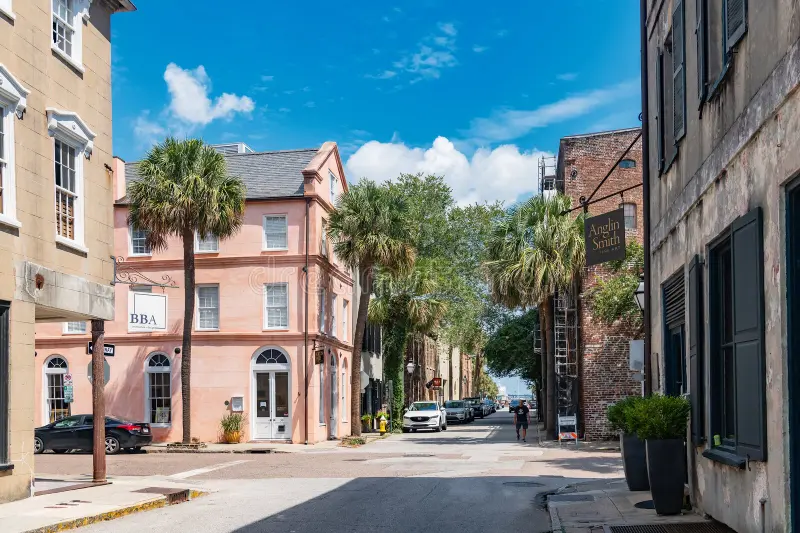
Introduction to Old Charleston Brick
Nestled among the picturesque streets of Charleston, South Carolina, lies a timeless treasure: Old Charleston Brick. This distinctive material is more than just a building block; it embodies centuries of tradition and craftsmanship that have shaped the city’s architectural landscape. As you stroll through historic neighborhoods, you’ll find homes and structures lovingly adorned with these rustic bricks, each telling its own story of resilience and beauty. Join us as we explore the rich history behind Old Charleston Brick and uncover why it remains an enduring favorite for both builders and enthusiasts alike.
History and Significance of Old Charleston Brick in the City’s Architecture
Old Charleston Brick has deep roots in the city’s architectural narrative. First introduced in the late 17th century, these bricks became a staple for builders due to their durability and aesthetic appeal.
Charleston’s unique climate played a crucial role in shaping this brick-making tradition. The heat and humidity allowed artisans to experiment with different firing techniques, resulting in distinctive hues and textures that define the local landscape today.
As time progressed, Old Charleston Brick became synonymous with elegance. Iconic structures like historic homes and churches showcase intricate patterns that pay homage to craftsmanship.
The significance of this brick goes beyond mere construction material. It tells stories of resilience, community, and artistry—a testament to Charleston’s rich heritage that continues to enchant both residents and visitors alike.
The Art of Making Old Charleston Brick: A Detailed Process
Creating Old Charleston Brick is a meticulous process steeped in tradition. It begins with selecting the right clay, sourced from local deposits. This clay is known for its unique qualities that contribute to the brick’s durability and character.
Once gathered, the clay undergoes thorough mixing and kneading. Artisans shape it into bricks using wooden molds, ensuring each piece reflects craftsmanship.
After molding, the bricks are left to dry under natural sunlight. This drying phase allows moisture content to reduce gradually, preventing cracks during firing.
The next step involves firing them in traditional kilns at high temperatures. This intense heat transforms soft clay into robust brick while giving it a distinctive color palette ranging from rich reds to deep browns.
Once cooled, these bricks are carefully inspected for quality before they find their place in Charleston’s storied buildings.
Advantages of Using Old Charleston Brick in Building Projects
Old Charleston Brick stands out for its durability. This material has weathered storms and time, showcasing an impressive ability to resist wear. Buildings constructed with it often require less maintenance over the years.
Aesthetically, Old Charleston Brick adds character and charm to any structure. Its rich hues and unique textures can complement a variety of design styles, from classic to contemporary.
Additionally, using this brick offers excellent thermal insulation properties. It helps regulate indoor temperatures, making homes more energy-efficient throughout the year.
Incorporating Old Charleston Brick also supports local artisanship. By choosing this material, builders contribute to preserving traditional craftsmanship that defines the region’s architectural heritage.
Moreover, its natural composition makes it a sustainable choice in today’s eco-conscious market. With minimal processing requirements, Old Charleston Brick is as friendly to the environment as it is appealing to the eye.
Sustainable and Eco-Friendly Aspects of Old Charleston Brick
Old Charleston Brick embodies sustainability in its very essence. Made from locally sourced clay, it minimizes transportation emissions and supports regional economies.
The firing process of these bricks uses less energy compared to modern alternatives. This traditional method not only preserves their unique character but also reduces the carbon footprint associated with production.
Durability is another eco-friendly feature. Old Charleston Brick withstands the test of time, requiring fewer replacements over the years. This longevity means less waste and lower resource consumption in building maintenance.
Moreover, these bricks offer excellent insulation properties. They help regulate indoor temperatures naturally, reducing reliance on heating and cooling systems.
By incorporating reclaimed Old Charleston Bricks into new projects, builders can honor history while promoting environmental responsibility. Each brick tells a story and contributes to a greener future for our communities.
Modern Applications and Designs with Old Charleston Brick
Old Charleston Brick is making waves in contemporary architecture. Designers appreciate its timeless appeal and rich texture, blending seamlessly with modern aesthetics.
Creative architects are using Old Charleston Brick in innovative ways. It’s common to see it as a feature wall in sleek urban apartments or cozy cafés, adding warmth and character to any space.
The versatility of this brick allows for unique patterns and layouts. Whether used in traditional stacked formations or more daring herringbone designs, the results are stunning.
Moreover, homeowners are embracing Old Charleston Brick outdoors too. Patios, walkways, and garden walls crafted from this historic material bring an inviting charm that synthetic alternatives often lack.
As sustainability becomes a priority, repurposing old bricks connects history with eco-conscious design choices. This blend of tradition and innovation showcases how Old Charleston Brick continues to inspire modern living spaces today.
Preserving the Legacy of Old Charleston Brick: Efforts and Initiatives
Preserving the legacy of Old Charleston Brick is a collaborative effort that involves local organizations, architects, and community members. These stakeholders recognize the importance of maintaining this unique element of Charleston’s heritage.
Various initiatives aim to protect historic buildings made from Old Charleston Brick. Restoration projects often prioritize using original materials to retain authenticity and honor craftsmanship.
Educational programs are also in place, teaching new generations about traditional building techniques. Workshops focus on brick-making methods that have been passed down through time.
Local preservation societies host events to raise awareness about the cultural significance of these bricks. They encourage residents to appreciate their surroundings while advocating for sustainable practices in construction.
Through these efforts, Old Charleston Brick continues to stand as a testament to the city’s rich architectural history and artisanal skill. Each initiative helps ensure that future generations will experience its charm firsthand.
Conclusion
Old Charleston Brick embodies a rich tradition and exceptional craftsmanship that has shaped the architectural landscape of Charleston. This unique brick not only serves as a testament to the city’s history but also reflects the artistry of those who create it. The meticulous process involved in making Old Charleston Brick results in durable, aesthetically pleasing materials suitable for various building projects.
The advantages of using this historic brick are numerous, from its thermal efficiency to its timeless appearance. Moreover, considering sustainability is essential today; Old Charleston Brick stands out as an eco-friendly option that honors both past and present construction practices.
Modern architects and designers have embraced this classic material, finding innovative ways to integrate it into contemporary designs while preserving its historical significance. Efforts to maintain and promote Old Charleston Brick ensure that future generations will continue to appreciate its value.
As we look towards the future, it becomes clear that Old Charleston Brick is more than just a building material—it represents a legacy intertwined with local culture, heritage, and pride in craftsmanship.