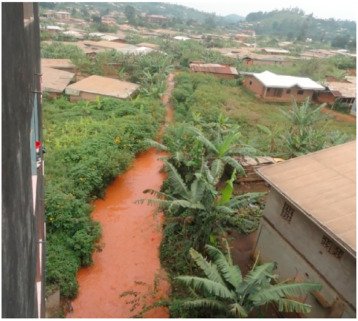
Introduction to River Sand
River sand is a vital resource that plays a significant role in construction and various industries. Its fine grains are used in concrete, mortar, and even glass manufacturing. However, the process of harvesting river sand is not as straightforward as it seems. As demand skyrockets due to urbanization and infrastructure projects, concerns about its environmental impact have come to the forefront.
The delicate balance between meeting industry needs and protecting our ecosystems raises important questions. How do we extract this essential material without compromising the rivers’ health? This exploration delves into how river sand is harvested and examines its consequences on the environment. Join us as we navigate these pressing issues while searching for sustainable solutions that can benefit both human progress and nature’s well-being.
The Process of Harvesting River Sand
Harvesting river sand is a meticulous process that requires careful planning and execution. It typically begins with selecting the right location along a riverbank, where sand deposits are abundant.
Once an area is designated, heavy machinery like excavators or dredgers comes into play. These machines scoop up the sand from the riverbed and transport it to processing sites.
The extracted sand often undergoes washing to remove impurities such as silt and clay. This ensures that only clean, high-quality material makes its way to construction projects.
Monitoring water levels during extraction is crucial; pulling too much sand can lead to increased erosion of riverbanks. This delicate balance helps maintain natural ecosystems while meeting industry demands for this essential resource.
Environmental Concerns and Impact
The extraction of river sand poses significant environmental risks. When rivers are dredged, the natural habitat for fish and other wildlife is disrupted. This can lead to a decline in biodiversity, affecting ecosystems that rely on these habitats.
Moreover, removing too much sand alters water flow and sediment transport. These changes can increase erosion along riverbanks, leading to more sediment being washed away into surrounding areas.
Pollution is another concern. Harvesting activities often bring machinery and fuels near sensitive waterways, which can result in spills or leaks contaminating the water supply.
Furthermore, local communities may face challenges as their access to clean water diminishes due to altered river systems. The consequences extend beyond immediate surroundings; they ripple through entire regions impacting agriculture and livelihoods tied closely to healthy rivers.
Alternatives to River Sand
As the demand for river sand surges, alternatives are gaining traction in construction and manufacturing. One notable substitute is crushed stone. This material offers durability and strength, making it a reliable option for concrete production.
Another alternative is manufactured sand, derived from crushing rocks or gravel. It closely mimics natural sand properties while reducing environmental impact. Additionally, recycled materials such as glass and plastic aggregates can be repurposed into building components.
The rise of agricultural waste products like rice husk ash also shows promise. This innovative approach not only diverts waste but enhances sustainability in construction efforts.
These alternatives present exciting opportunities to reduce reliance on river sand while fostering eco-friendly practices across industries. Exploring these options can pave the way for a more sustainable future without compromising quality or performance.
Sustainable Practices for Harvesting River Sand
Sustainable practices for harvesting river sand focus on minimizing environmental damage. One effective method involves selective extraction, which targets specific areas to reduce disruption to the ecosystem.
Monitoring the riverbed’s health is crucial. Regular assessments help ensure that habitats remain intact and biodiversity is preserved during sand collection.
Implementing seasonal limits can also enhance sustainability. Restricting harvesting during spawning seasons protects aquatic life, allowing populations to recover and thrive.
Community engagement plays a vital role as well. Involving local stakeholders fosters awareness about the importance of responsible sand extraction.
Furthermore, using advanced technology like drones can improve efficiency in locating viable sites while reducing physical impact on surrounding areas. By adopting these practices, we can work towards a balance between demand for construction materials and ecological integrity.
Future Solutions for Balancing Demand and Environmental Protection
Emerging technologies play a crucial role in reconciling the demand for river sand with environmental preservation. Innovations such as artificial intelligence can optimize extraction processes, ensuring minimal disruption to ecosystems.
Additionally, research into alternative materials is gaining momentum. Substitutes like manufactured sand or recycled aggregates could alleviate pressure on natural resources while delivering similar performance in construction.
Community involvement also presents a pathway forward. Local stakeholders can engage in monitoring and managing harvesting practices, fostering accountability and sustainability.
Regulations need refinement too. Stricter guidelines regarding extraction limits will help maintain ecological balance while enabling responsible usage of river sands.
Education campaigns are essential to raise awareness about sustainable sourcing among consumers and industries alike. By promoting eco-friendly practices, we can shift societal norms toward prioritizing environmental health alongside economic growth.
Conclusion
The delicate balance between resource extraction and environmental preservation is crucial. Understanding how river sand is harvested and its impact on the environment sheds light on this ongoing challenge. As demand for construction materials continues to rise, it becomes increasingly important to prioritize sustainable practices.
Addressing the ecological consequences of river sand mining requires innovative solutions. Encouraging responsible sourcing methods can help mitigate harm to aquatic ecosystems while meeting industry needs. Exploring alternative materials can also alleviate pressure on rivers.
A collaborative approach involving policymakers, industries, and communities will be essential in shaping a more sustainable future for river sand extraction. Through awareness and action, we can safeguard our natural resources while fulfilling human development needs responsibly. Balancing these aspects may lead us toward a more harmonious coexistence with our environment moving forward.