Introduction to Debit and Credit
Navigating the world of accounting can feel like deciphering a foreign language. Among the essential terms you’ll encounter are “debits” and “credits.” These concepts form the backbone of financial transactions, yet they often confuse beginners and seasoned professionals alike.
If you’ve ever felt lost trying to understand how debits increase or decrease accounts, you’re not alone! This blog post is designed as your go-to resource—a Debit and Credit Cheat Sheet that simplifies these key concepts into easy-to-understand ideas. Get ready to unravel the mysteries of debits and credits, making your accounting journey smoother than ever before!
Understanding the Basics: Debits and Credits in Accounting
In accounting, debits and credits form the backbone of financial transactions. Understanding these concepts is crucial for anyone delving into the world of finance.
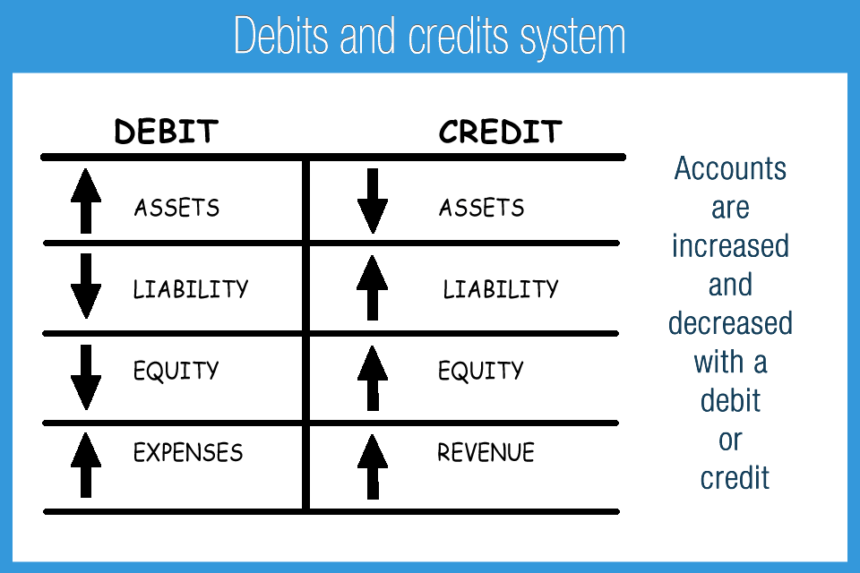
A debit entry increases asset accounts or expense accounts while decreasing liability and equity accounts. Think of it as adding value to what you own or incurring a cost.
On the flip side, credit entries do just the opposite. They boost liability and equity accounts but reduce assets or expenses. It’s like taking money out of your pocket or gaining responsibility.
Each transaction involves at least one debit and one credit, keeping the accounting equation balanced. This duality ensures that every financial shift reflects accurately on balance sheets.
Grasping these basics will empower you in managing finances more effectively, whether for personal use or business operations.
The Difference Between Debits and Credits
Debits and credits are fundamental concepts in accounting, but they often confuse newcomers. At their core, debits increase asset or expense accounts while decreasing liability or equity accounts.
Think of debits as the money flowing into your accounts. For instance, when you receive payment for a service rendered, you debit your cash account. This action reflects growth in your resources.
Conversely, credits signify money flowing out. When you incur an expense or settle a debt, you credit the respective account. This reduces assets or increases liabilities on your balance sheet.
A key point to remember is that every transaction involves both sides—debits and credits must equal each other to maintain balance in the accounting equation. Understanding this relationship is crucial for accurate financial reporting and analysis.
Examples of Debits and Credits in Action
To really grasp debits and credits, let’s look at some straightforward examples. Imagine a small business selling products. When the company makes a sale, it records revenue as a credit in its sales account.
Simultaneously, it must recognize the cash received or accounts receivable. That transaction will be recorded as a debit in either the cash or accounts receivable account.
Now think about expenses like rent. When paying for office space, this payment is logged as a debit to an expense account—like Rent Expense—and credited from Cash or Accounts Payable.
These transactions illustrate how debits and credits interact seamlessly within accounting systems. Each entry maintains balance in financial statements while reflecting true business activity. Recognizing these patterns can demystify how businesses record their operations daily.
Common Misconceptions about Debits and Credits
Many people confuse debits and credits as merely opposites. While they’re related, they serve distinct purposes in accounting.
Another common myth is that debit always means money leaving an account. In fact, a debit can increase an asset or expense account while decreasing a liability or equity account.
Similarly, the assumption that credit equals receiving money isn’t accurate either. A credit may reduce assets or expenses but can also increase liabilities and equity.
Some believe only accountants need to understand these terms. However, anyone managing finances should grasp their significance for better financial literacy.
Many think mastering debits and credits is too complicated for beginners. With practice and proper resources like cheat sheets, it becomes much more approachable than expected.
Using a Cheat Sheet to Keep Track of Debits and Credits
A debit and credit cheat sheet is a handy tool for anyone navigating the world of accounting. It simplifies complex concepts, making them more accessible.
By listing common accounts with their corresponding debits and credits, you can quickly reference what goes where. This speeds up your learning process and reduces errors in financial records.
Visual aids are powerful. Use colors or symbols to differentiate between types of accounts—assets, liabilities, income, expenses—and make your cheat sheet stand out.
Keep it close by when working on projects or studying. Regularly referring to it reinforces memory retention.
As you grow more comfortable with these concepts, don’t hesitate to update your cheat sheet with new insights or personalized notes that resonate with you. Your understanding will deepen as you engage actively with the material through this creative method.
Tips for Mastering Debit and Credit Concepts
To master debit and credit concepts, practice is key. Regularly working through examples will help solidify your understanding.
Create flashcards with terms on one side and definitions or scenarios on the other. This method makes learning interactive and memorable.
Visual aids can also make a difference. Diagrams illustrating how transactions affect accounts can clarify relationships between different elements in accounting.
Engage in discussions with peers or online forums. Explaining these concepts to others reinforces your knowledge while providing new insights from different perspectives.
Don’t hesitate to seek out additional resources like videos, online courses, or textbooks that break down complex ideas into digestible parts.
Conclusion
Understanding debits and credits is essential for anyone involved in accounting or finance. By grasping these key concepts, you can navigate the complexities of financial transactions with confidence. The simple cheat sheet approach allows you to break down these ideas into manageable parts, making it easier to apply them in real-world scenarios.
Mastering these fundamentals enhances your ability to maintain accurate records and make informed financial decisions. Continue practicing with examples, use our cheat sheet as a handy reference, and soon enough, you’ll find that handling debits and credits becomes second nature. Stay curious and keep learning—your expertise will only grow from here.