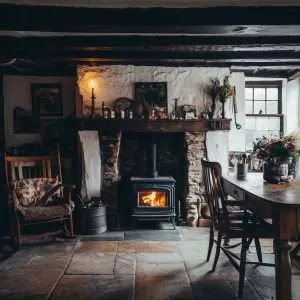
As the cold weather sets in, many of us search for ways to keep our homes warm and cozy. Log burners have become a popular choice for heating spaces, thanks to their charm and efficiency. But if you’re considering different fuel options, you might be wondering: can you burn coal in a log burner?
This question often sparks debate among homeowners and enthusiasts alike. While some swear by the benefits of burning coal, others caution against it. In this post, we’ll explore what a log burner is, how coal differs from wood as fuel, safety considerations, and share valuable tips for maximizing your burning experience.
Let’s dive into the facts and recommendations surrounding this hot topic!
What is a Log Burner?
A log burner, often referred to as a wood-burning stove, is designed specifically for burning logs and other solid fuels. These stoves offer an efficient way to heat homes while providing a charming ambiance.
Typically constructed from steel or cast iron, log burners are built to withstand high temperatures. Many feature large glass doors that allow the flickering flames to be visible, adding warmth and character to any room.
The design of a log burner promotes better airflow, which helps achieve optimal combustion. This not only maximizes heat output but also minimizes smoke emissions compared to traditional open fireplaces.
With various styles available—ranging from modern sleek designs to rustic models—log burners can suit different aesthetic preferences. They’re becoming increasingly popular among eco-conscious homeowners who appreciate the renewable nature of wood fuel.
Differences between Coal and Wood Burning
Coal and wood are fundamentally different as fuel sources.
Wood burns cleanly, releasing a pleasant aroma that many find comforting. It typically produces more smoke initially but can create a warm ambiance with its crackling sound.
On the other hand, coal is denser and provides a longer-lasting heat output. It tends to burn hotter than wood, making it suitable for those who need sustained warmth.
The combustion process also varies significantly. Wood requires airflow to ignite properly, while coal needs careful management of air supply to prevent incomplete burning.
Additionally, ash production differs greatly between the two fuels. Wood leaves behind lighter ash that can be used in gardens, whereas coal produces heavier residue which often contains harmful substances.
Understanding these differences is essential when considering your heating options or looking into whether you can burn coal in a log burner safely.
Is it Safe to Burn Coal in a Log Burner?
Burning coal in a log burner raises significant safety concerns. Log burners are designed primarily for wood, and using coal can lead to various issues.
Coal produces higher temperatures than seasoned wood. This intense heat might damage the internal components of your burner or cause excessive wear over time.
Moreover, burning coal generates more smoke and pollutants compared to wood. These emissions can contribute to indoor air quality problems unless your system is adequately vented.
Another factor is creosote buildup. Coal combustion creates different residues that could clog flues and chimneys, increasing the risk of chimney fires.
Many manufacturers explicitly advise against burning anything other than wood in their log burners due to these dangers. It’s crucial to consult your burner’s guidelines before experimenting with alternative fuels like coal.
Pros and Cons of Using Coal in a Log Burner
Using coal in a log burner has its advantages and disadvantages. On one hand, coal burns hotter and longer than wood, making it an efficient fuel choice for heat generation. Its dense composition allows for extended burn times, which can be convenient during colder months.
However, there are significant drawbacks to consider. Burning coal produces more smoke and pollutants compared to wood. This can lead to air quality issues both indoors and outdoors. Additionally, many log burners are not designed specifically for coal use, which may result in damage over time.
Another concern is the ash produced from burning coal; it tends to accumulate quickly and requires frequent cleaning. Moreover, certain types of coal may emit harmful gases when burned improperly or without adequate ventilation.
Weighing these pros and cons will help you make an informed decision about using coal as a fuel source in your log burner.
Tips for Burning Coal in a Log Burner
When burning coal in a log burner, start by using high-quality smokeless coal. This type produces less smoke and is more efficient.
Ensure proper airflow. Open the air vents to allow oxygen to circulate freely. This helps achieve a clean burn and minimizes harmful emissions.
Layer your coal wisely. Begin with smaller pieces at the bottom, then add larger chunks on top. This creates a stable fire that burns evenly.
Keep an eye on temperatures. Coal can reach higher heats than wood, so monitor your burner closely to avoid overheating or damaging it.
Regular maintenance is crucial. Clean out ash buildup frequently to maintain airflow and efficiency. A clear chimney also prevents dangerous blockages from forming.
Follow local regulations regarding coal use in wood burners; compliance keeps you safe while enjoying cozy warmth.
Alternative Fuel Options for Log Burners
When exploring alternatives for log burners, several options stand out. Pellets made from compressed sawdust are a popular choice. They burn efficiently and produce minimal ash.
Another option is seasoned wood, which offers a clean burn with great heat output. It’s vital to ensure the wood is properly dried to avoid excessive smoke.
Biofuels such as ethanol or biodiesel can also serve as eco-friendly fuel sources. These fuels are sustainable and emit fewer pollutants compared to traditional methods.
For those seeking convenience, gas logs provide an easy-to-use alternative that mimics the ambiance of real flames without the hassle of chopping wood or cleaning ashes.
Charcoal briquettes have gained traction for their long-lasting heat and consistent performance in certain setups, making them a versatile addition to your burning experience.
Conclusion
When considering whether to burn coal in a log burner, it’s essential to weigh the facts and recommendations carefully. While some users do find success in using coal as a fuel source, it’s crucial to understand the potential risks and benefits involved.
Log burners are primarily designed for wood, which burns cleanly and efficiently when used correctly. Switching to coal may bring about different combustion characteristics that could affect performance and safety. Before making any decisions, check local regulations and manufacturer guidelines.
If you choose to experiment with burning coal, follow best practices for ventilation and maintenance for optimal results. Additionally, exploring alternative fuels can help ensure a more efficient heating experience without compromising your appliance or indoor air quality.
Understanding these factors allows you to make an informed decision tailored to your needs while maximizing the efficiency of your log burner.