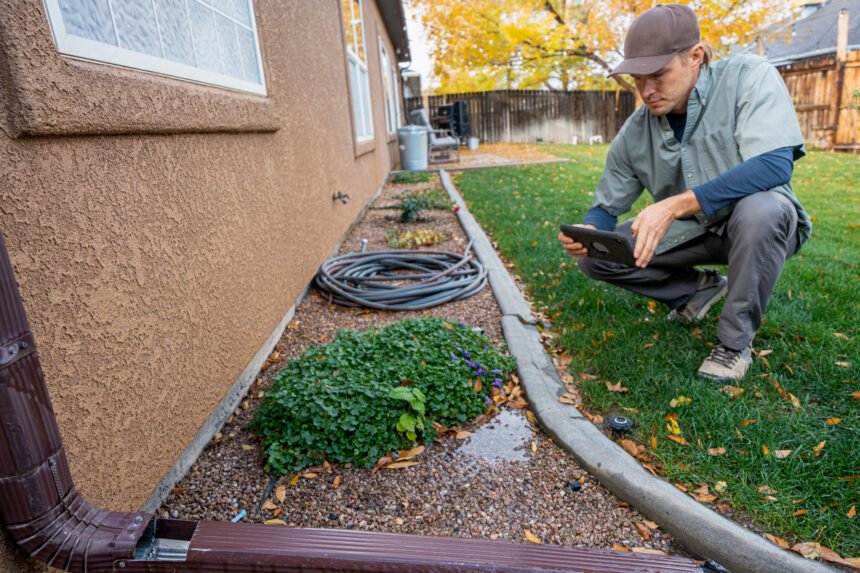
Introduction to Drainage Surveys
Effective water management is crucial for any community, and at the heart of this process lies a powerful tool: drainage surveys. These assessments are not just a routine check; they play an essential role in ensuring that our waterways function efficiently and sustainably. From urban areas grappling with flooding to agricultural lands requiring optimal drainage, understanding how these surveys work can transform our approach to water management.
Imagine being able to prevent costly flood damage or ensure that crops receive the right amount of moisture without excess runoff. That’s where drainage surveys come in. They provide invaluable insights into how water flows through various landscapes, allowing us to make informed decisions about infrastructure and environmental protection.
As we dive deeper into this topic, you’ll discover why drainage surveys are more than just technical evaluations—they’re key players in enhancing resilience against climate challenges and promoting sustainable practices across various sectors. Let’s explore the critical role they play in effective water management!
Importance of Drainage Surveys in Water Management
Drainage surveys play a crucial role in effective water management. They assess how well drainage systems function and identify potential issues before they escalate.
Proper drainage is essential to prevent flooding, soil erosion, and water pollution. By understanding the layout and condition of drainage networks, stakeholders can make informed decisions about maintenance and upgrades.
These surveys also help forecast stormwater impacts on local ecosystems. A thorough analysis reveals where improvements are needed to protect natural habitats while managing runoff effectively.
Moreover, drainage surveys support compliance with environmental regulations. Ensuring that systems operate correctly reduces liability risks for municipalities and developers alike.
Investing in these evaluations fosters sustainable practices, ultimately leading to healthier communities. Being proactive about drainage solutions not only enhances infrastructure but also promotes long-term resilience against climate change challenges.
Steps Involved in Conducting a Drainage Survey
Conducting a drainage survey involves several key steps that ensure thorough evaluation and analysis.
First, initial site assessments are crucial. Surveyors visit the location to understand topography, existing drainage systems, and potential problem areas.
Next comes data collection. This step includes measuring flow rates, identifying blockages, and inspecting surface features using tools like cameras or drones.
After gathering the necessary information, analysis begins. Experts evaluate the collected data to pinpoint weaknesses in the drainage system and assess its overall efficiency.
Following this analysis, recommendations for improvements emerge. These may involve repairs or redesigns aimed at enhancing water management practices.
A detailed report is generated highlighting findings and proposed solutions. This document serves as a vital resource for property owners and urban planners alike in making informed decisions regarding effective water management strategies.
Technologies Used in Drainage Surveys
Advancements in technology have significantly enhanced the effectiveness of drainage surveys. One key tool is ground-penetrating radar (GPR). This non-invasive method allows surveyors to visualize underground structures without excavation, providing a clear picture of existing drainage systems.
Another critical technology involves drone surveys. Drones offer an aerial view that helps in assessing large areas quickly and efficiently. They capture high-resolution images, making it easier to identify potential issues from above.
Camera inspections also play a vital role. Using specialized cameras inserted into pipes, professionals can detect blockages, cracks, or corrosion with unprecedented clarity.
Additionally, GIS mapping integrates various data layers for comprehensive analysis. This technology aids in planning maintenance schedules and identifying vulnerable areas prone to flooding or other water management challenges.
Each of these innovations contributes uniquely to precision and efficiency in drainage assessments.
Benefits of Regular Drainage Surveys
Regular drainage surveys offer numerous advantages that go beyond immediate water management. They help identify potential blockages or damage before they escalate into costly repairs. Early detection means you can address issues promptly, saving both time and money.
These surveys also enhance the longevity of your drainage systems. By maintaining clear channels, you reduce the risk of erosion and structural failure over time. This proactive approach supports sustainable water management practices.
Additionally, regular assessments boost efficiency in water flow. Improved performance is not just beneficial for property owners; it positively impacts surrounding ecosystems as well. Healthy drainage systems contribute to better local groundwater quality.
Implementing routine drainage surveys fosters a culture of preventative maintenance among communities and organizations alike. It encourages responsible stewardship of vital resources while ensuring safety from flooding and other related hazards.
Case Studies: Successful Water Management through Drainage Surveys
In a bustling city in the UK, heavy rainfall often led to severe flooding. A comprehensive drainage survey identified system blockages and inadequate infrastructure. The city implemented targeted improvements based on this data, significantly reducing flood incidents.
Another notable case occurred in an agricultural region where excess water posed risks to crops. Drainage surveys revealed poorly designed channels that couldn’t handle runoff effectively. By redesigning these pathways, farmers experienced better crop yields and reduced soil erosion.
A coastal town faced rising sea levels affecting its drainage systems. Surveys helped pinpoint vulnerabilities and guide investment in robust solutions like enhanced pumping stations. This proactive approach not only safeguarded property but also bolstered community resilience against climate change impacts.
These examples underscore the essential role of drainage surveys as tools for effective water management across diverse environments.
Conclusion
Effective water management is crucial for our environment and infrastructure. Drainage surveys play a pivotal role in achieving this goal. By assessing drainage systems, these surveys help identify potential issues before they escalate into costly problems.
Regular drainage surveys not only enhance system efficiency but also support sustainable practices. With the integration of advanced technologies, professionals can ensure that water flows seamlessly while minimizing environmental impact.
The benefits outlined through various case studies clearly demonstrate the effectiveness of drainage surveys in real-world applications. Communities adopting regular assessments have seen marked improvements in their water management strategies.
As we continue to face challenges related to climate change and urban development, understanding the role of drainage surveys becomes increasingly important. Embracing these practices will pave the way for more resilient and efficient water management systems across all sectors.