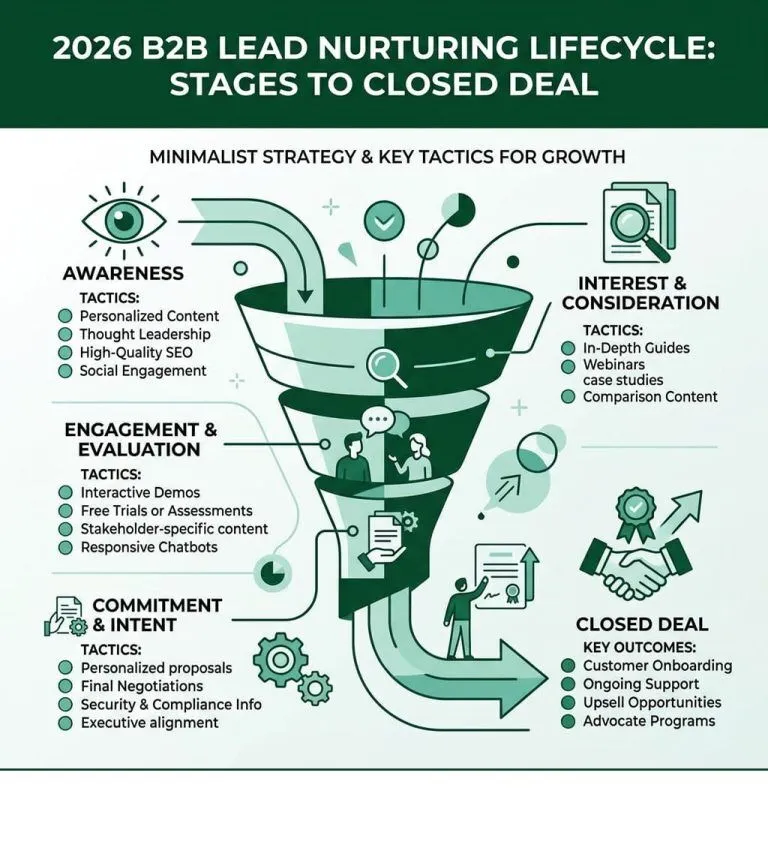
In the fast-paced world of B2B marketing, generating leads is just the beginning. What happens next? Enter lead nurturing—a crucial step that transforms cold prospects into loyal customers. Successful businesses know that it’s not enough to simply collect contact information; they must cultivate relationships over time. This means providing targeted content and communication tailored to each prospect’s unique journey.
But why should you invest in B2B lead nurturing? The answer lies in its potential to boost conversion rates, enhance customer loyalty, and ultimately drive revenue growth. In this blog post, we’ll explore what B2B lead nurturing entails and how you can implement effective strategies to elevate your business success. Get ready to dive deeper into a game-changing approach that could redefine your sales process!
What is B2B Lead Nurturing?
B2B lead nurturing is the process of developing relationships with potential clients throughout their buying journey. It focuses on engaging leads, providing them with valuable information, and guiding them toward making informed decisions.
This approach recognizes that B2B sales cycles can be lengthy and complex. Prospects often require time to evaluate options before committing to a purchase. Lead nurturing helps maintain communication during this critical period.
By delivering relevant content tailored to the specific needs and interests of each prospect, businesses can build trust and credibility. This strategy fosters an environment where leads feel supported rather than pressured.
Effective lead nurturing involves multiple touchpoints, including emails, webinars, social media interactions, and personalized offers. Each interaction serves as a stepping stone toward conversion while continually reinforcing the value your business brings to their challenges.
Benefits of B2B Lead Nurturing
B2B lead nurturing plays a vital role in building relationships with potential clients. It focuses on guiding leads through the sales funnel, ensuring they stay engaged and informed.
One of the primary benefits is improved conversion rates. By providing relevant content at each stage of the buyer’s journey, you enhance your chances of turning leads into loyal customers.
Another advantage is increased brand loyalty. Consistent communication fosters trust, making prospects more likely to choose your company when they’re ready to make a purchase.
Additionally, effective lead nurturing can shorten the sales cycle. When you deliver timely information tailored to their needs, decision-makers can move forward faster.
It allows for better resource allocation. By identifying warm leads who are more likely to convert, teams can focus their efforts where they’ll have the most impact.
Strategies for Effective B2B Lead Nurturing
To effectively nurture B2B leads, first focus on segmentation. Understanding your audience allows for tailored communications that resonate deeply.
Utilize automated email campaigns to stay in touch without overwhelming your team. These messages can share valuable content and insights relevant to each lead’s industry or pain points.
Engagement through personalized outreach is crucial. A simple follow-up call or a thoughtful message can significantly enhance relationships with potential clients.
Leverage social media platforms for ongoing conversations. Sharing industry news, company updates, and engaging posts keeps your brand top-of-mind.
Implementing a robust CRM system streamlines tracking interactions and managing lead information efficiently. This ensures no opportunity slips through the cracks as you guide prospects along their journey toward conversion.
The Importance of Personalization in B2B Lead Nurturing
Personalization in B2B lead nurturing is crucial for building genuine relationships. When you tailor your messages, prospects feel recognized and valued. This fosters trust, making them more likely to engage.
Using data analytics can enhance personalization efforts significantly. By understanding a prospect’s industry, pain points, and behaviors, businesses can create targeted content that resonates deeply with their audience.
Moreover, personalized communication stands out in crowded inboxes. A specific message addressing a unique challenge will catch attention far better than a generic sales pitch.
Automation tools also play a role here. They enable companies to send timely and relevant information based on user interactions or milestones in the customer journey.
When leads see that you understand their needs and goals, they’re more inclined to move forward in the sales funnel. Personalization transforms cold outreach into meaningful conversations that drive results.
Tools and Technologies for B2B Lead Nurturing
The landscape of B2B lead nurturing is evolving rapidly, with a variety of tools designed to enhance efficiency and effectiveness. Marketing automation platforms like HubSpot and Marketo enable seamless communication through personalized emails and tailored content delivery.
CRM systems such as Salesforce track interactions, helping teams understand where leads stand in the sales funnel. These insights allow for timely follow-ups that resonate.
Additionally, analytics tools provide valuable data on engagement metrics. This information is crucial for refining strategies and ensuring your approach aligns with audience interests.
Social media management tools also play a role by facilitating direct conversations with potential clients. Engaging prospects where they already spend time can deepen relationships significantly.
Leveraging these technologies can transform your lead nurturing efforts into a streamlined, impactful process that drives results.
Common Mistakes to Avoid in B2B Lead Nurturing
Many businesses fall into the trap of over-automating their lead nurturing process. While automation can save time, it often leads to impersonal interactions. Remember that prospects appreciate a human touch.
Failing to segment your audience is another common mistake. Sending generic content to all leads can dilute engagement. Tailor your messages based on industry, interests, and stage in the buyer’s journey.
Neglecting to follow up consistently also hinders success. A single email or call often isn’t enough; multiple touchpoints are essential for building relationships.
Not measuring results is detrimental. Without tracking key metrics like open rates or conversion rates, you can’t refine your strategy effectively. Adjustments based on solid data drive better outcomes in B2B lead nurturing efforts.
Measuring Success in B2B Lead Nurturing
Measuring success in B2B lead nurturing is crucial for optimizing your strategy. It starts with identifying key performance indicators (KPIs) that align with your business goals.
Common metrics include conversion rates, engagement levels, and time spent in the sales funnel. Tracking these allows you to see what works and what needs adjustment.
Utilizing marketing automation tools can enhance this process. These platforms provide analytics that help visualize customer journeys and interactions.
Regularly reviewing campaign performance also helps identify trends over time. This insight informs future campaigns, making them more effective at driving leads through the pipeline.
Don’t overlook feedback from your sales team either; they offer invaluable perspectives on lead quality and readiness to buy. Combining quantitative data with qualitative insights creates a comprehensive picture of your lead nurturing efforts.
Conclusion
B2B lead nurturing is a critical component of any successful marketing strategy. It involves building relationships with potential clients throughout their buying journey. By understanding what B2B lead nurturing entails, businesses can effectively guide leads through the sales funnel.
The benefits are substantial. Nurtured leads tend to have higher conversion rates, become more informed about your offerings, and ultimately make better purchasing decisions. This translates into increased revenue for organizations that prioritize nurturing strategies.
Implementing effective strategies is key to success in this area. Tactics such as segmented email campaigns, informative content sharing, and timely follow-ups can significantly enhance engagement with prospects. Emphasizing personalization allows you to create tailored experiences that resonate deeply with potential clients.
Utilizing tools and technologies can streamline the process further. CRM systems and marketing automation platforms help track interactions and automate communication, ensuring no lead slips through the cracks.
However, it’s essential to avoid common pitfalls in B2B lead nurturing—like over-communicating or failing to provide relevant content—which could hinder your efforts rather than support them.
Measuring success requires analyzing metrics such as open rates, click-throughs, and conversion statistics. These insights can inform adjustments needed in your approach for even better results moving forward.
Understanding how these components fit together helps businesses harness the full power of B2B lead nurturing while fostering meaningful connections that drive growth.