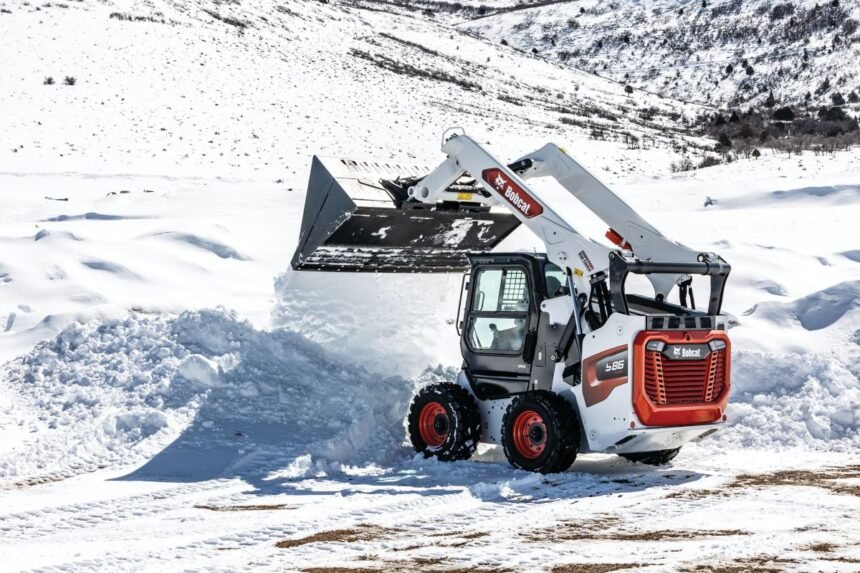
Preseason Readiness Starts Before the First Storm
The most expensive snowstorm is often the one a contractor thought they were ready for.
A truck can be fueled and a plow mounted, yet the operation can still fail because a hydraulic hose bursts without a spare, a new driver does not know the route, the salt pile runs short, or nobody has confirmed which entrance must be opened first.
Preseason readiness should therefore be treated as an operational and financial exercise, not just equipment maintenance. Contractors that want to operate at the level expected from a Snow Removal Expert need to prepare the entire service system before the forecast becomes urgent.
Before the season begins, contractors should confirm:
- fleet condition and backup equipment
- commonly needed spare parts
- material inventory and reorder points
- staffing and backup coverage
- route maps and site priorities
- current property photos
- insurance and contract documentation
- client and crew communication procedures
- storm-response simulations
Every unresolved item has a potential cost. The goal is to discover those costs while they are still cheap to fix.
Route Planning Starts at the Property
A contractor should be able to look at each account before snowfall and understand exactly how it will be serviced.
That begins with route planning. Test-drive routes rather than relying only on mapping software. Look for difficult turns, restricted entrances, steep approaches, limited equipment staging, traffic bottlenecks, and locations where a truck may have trouble reversing or turning around.
Then walk the properties.
Document curbs, islands, speed bumps, hydrants, loading docks, accessible parking spaces, drainage points, fire routes, and designated snow-storage areas. Photograph existing cracks, damaged curbs, turf problems, and other visible property conditions before snow covers them.
SIMA’s current snow and ice management planning standard specifically calls for preseason site inspections and documentation of potential hazards, including broken curbs, potholes, clogged downspouts, car stops, and water being redirected into pedestrian areas.
That level of preparation is especially important for contractors who want to become a Snow Removal Expert contractor, because reliable winter service depends on knowing the site before crews are working under storm pressure.
Clear site records reduce mid-storm uncertainty and give both the contractor and client a better understanding of property conditions, service priorities, and potential problem areas before the first accumulation.
Equipment, Spare Parts, and Fleet Readiness
A preseason inspection should go deeper than starting every truck in the yard.
Inspect What Can Stop the Route
Check batteries, charging systems, tires, fluids, plow mounts, hydraulic hoses, cylinders, electrical connections, cutting edges, lighting, spreaders, sprayers, augers, spinner assemblies, and controls.
OSHA’s winter-driving guidance similarly recommends inspecting tires, oil levels, exterior lighting, defrosters, and wipers and preparing vehicles for winter emergencies.
The useful question is not simply whether equipment works today. Ask what is most likely to fail after several hours of continuous operation.
Put the Spare Where the Breakdown Happens
A replacement hose sitting at the shop does little for a truck that is twenty minutes away during a storm.
Build truck-level repair kits around predictable failures. Depending on the equipment, that might include hydraulic hoses, fittings, fuses, electrical connectors, shear bolts, cutting-edge hardware, fluids, basic tools, flashlights, gloves, and recovery equipment.
This is where preseason spending can protect winter margin. A modest inventory of high-probability parts may prevent a disabled vehicle from turning one route into overtime, subcontractor expense, or a missed service window.
At this point, contractors can also study how Snow Removal Expert structures professional snow operations around fast, reliable service, modern equipment, 24/7 responsiveness, safety-focused ice control, transparent pricing, and scheduled coverage. The broader lesson is useful regardless of company size: reliability has to be built into the operation before it can be promised to a customer.
The Quiet Margin Killers: Salt, Staffing, Insurance, and Communication
Some of the biggest preseason risks never touch a plow blade.
Start with materials. Estimate expected salt and de-icer consumption by route, then establish a realistic reserve instead of buying only enough for an average event. Know who your backup supplier is and what happens if availability tightens during an active weather pattern.
Staffing deserves the same treatment. Confirm who operates each piece of equipment, who covers absences, and which employees can move between routes without creating another staffing gap.
Insurance certificates, client agreements, emergency contacts, pricing triggers, and service scopes should also be reviewed before winter.
Communication needs its own checklist. Crews should know who reports equipment failures, who approves route changes, how site hazards are documented, and when clients receive service updates.
Small communication delays become expensive during storms because every unresolved question consumes operational time.
Site Maps, Photos, and Storm Simulations
A route map should tell a crew more than where the property is located.
Build a Site File a New Driver Can Understand
Create a simple operational record for every property showing entrances, priority areas, snow-storage zones, restricted surfaces, accessible routes, drainage locations, equipment limitations, and client-specific requirements.
Attach current site photos. They can help operators recognize obstacles after curbs, islands, and pavement markings disappear beneath snow.
SIMA’s planning standard also emphasizes clearly defining service expectations, site plans, equipment requirements, material use, priorities, and site-specific conditions before winter service begins.
Run the Storm Before the Storm Runs You
One of the most useful preseason exercises is a tabletop storm simulation.
Pick a realistic scenario: snow begins during evening traffic, one driver calls in sick, a primary truck develops a hydraulic problem, and accumulation continues overnight.
Then walk through the response.
Who takes the route? Where does the replacement truck come from? Which properties are serviced first? Who contacts clients? What happens to the original driver’s second route? Is enough material already loaded?
The exercise costs almost nothing compared with discovering those answers during an actual event.
For contractors evaluating growth opportunities, this is also a logical point to consider what it takes to become a Snow Removal Expert contractor. Expansion makes sense only when new work can be absorbed without weakening existing routes, staffing coverage, equipment capacity, or service consistency.
Ready Before It Snows: Protect the Season, Not Just the Equipment
Preseason preparation should eventually connect back to pricing.
If a contractor does not know realistic route time, material consumption, staffing requirements, breakdown exposure, travel distance, and backup costs, it becomes difficult to know whether a contract is actually profitable.
That is why readiness and pricing belong in the same conversation.
A well-prepared contractor can price from operational knowledge rather than optimism. Route simulations expose wasted travel. Material planning reveals realistic treatment costs. Equipment inspections show where capital or repair spending is likely. Site walks reveal accounts that require more labour than they appear to on paper.
Before the first forecast, contractors should be able to answer three questions about every account:
Can we service it as promised?
Do we know what happens when something goes wrong?
Does the price still make sense when that happens?
If any answer is uncertain, preseason is the time to fix it. Once snow starts falling, uncertainty gets expensive.