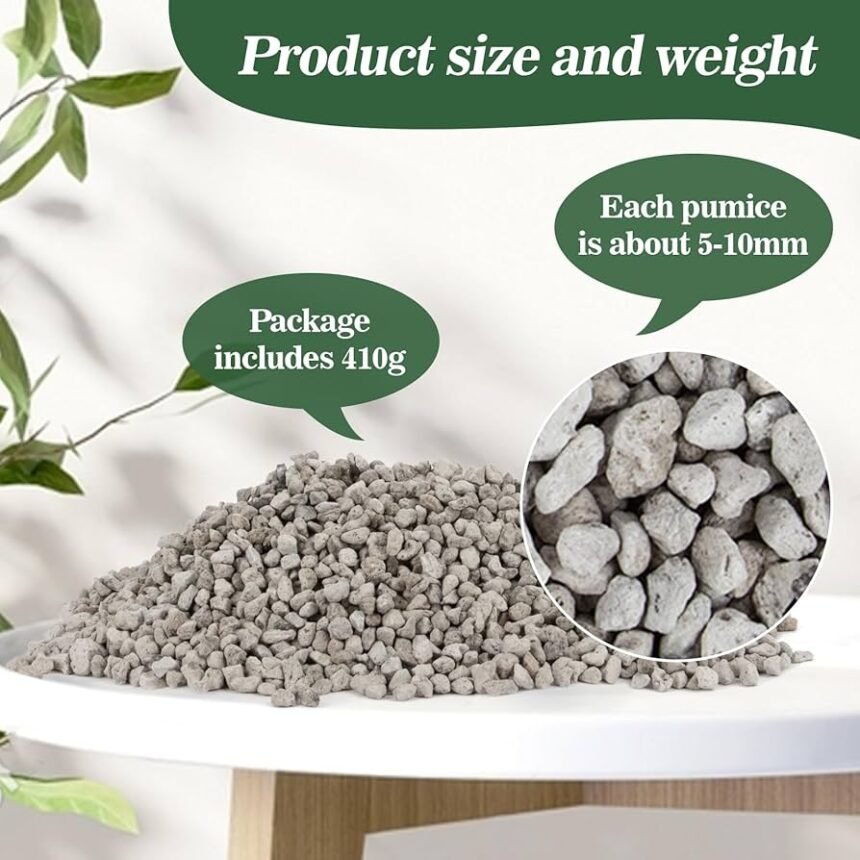
Are you looking to elevate your plant care game? If so, it’s time to explore the benefits of pumice for plants. This volcanic rock may not be the first thing that comes to mind when discussing gardening supplies, but it offers a wealth of advantages that can transform the way you nurture your green companions. From improving soil aeration to enhancing drainage, pumice is a versatile addition every plant enthusiast should consider. Let’s dive into what makes pumice such a fantastic choice for your beloved plants and how it can help them thrive like never before!
What is Pumice and How is it Used for Plants?
Pumice is a light, porous volcanic rock formed when lava cools rapidly. Its unique texture gives it incredible properties that make it ideal for plant care.
Used in gardening and landscaping, pumice acts as an amendment to improve soil quality. It enhances aeration, allowing roots to breathe better and absorb nutrients more effectively.
When mixed into potting mixes or garden beds, pumice helps with drainage by preventing water from pooling around the roots. This reduces the risk of rot and promotes healthier growth.
Gardeners often utilize pumice for succulents and cacti that thrive in well-drained conditions. Additionally, it’s beneficial for amending heavy soils, making them lighter and easier to work with.
Whether you’re repotting houseplants or creating a vegetable garden, incorporating pumice can lead to thriving greenery all around your home!
Benefits of Using Pumice for Plants
Using pumice for plants offers a range of benefits that can boost your gardening success. This lightweight volcanic rock enhances soil drainage, allowing excess water to escape while retaining just enough moisture for roots.
Pumice also improves aeration in the soil. Its porous structure creates pockets of air, promoting healthy root growth and reducing the risk of rot. Healthy roots mean thriving plants.
Another advantage is its neutral pH level. Pumice doesn’t alter the acidity or alkalinity of your soil, making it suitable for various plant types without worrying about nutrient imbalances.
Additionally, pumice helps with weed suppression when used as a top dressing. It blocks sunlight from reaching weeds while maintaining an attractive appearance around your plants.
This sustainable material remains stable over time and doesn’t break down like organic matter does, ensuring lasting benefits to your garden environment.
Types of Pumice and Which One to Choose
When selecting pumice for plants, it’s essential to understand the different types available. The most common varieties are horticultural pumice and landscaping pumice.
Horticultural pumice is specifically processed for use in gardening. It has a finer texture, making it ideal for potting mixes and seed starting. This type promotes excellent drainage while retaining moisture.
Landscaping pumice tends to be coarser and larger in size. It’s often used as a decorative ground cover or for improving soil aeration in outdoor gardens. While beneficial, its larger particles may not suit all indoor plant needs.
Consider your specific requirements when choosing pumice. If you’re nurturing delicate seedlings or houseplants, go with horticultural pumice for optimal results. For heavier garden applications requiring better aeration, landscaping pumice might be just what you need.
How to Incorporate Pumice into Your Plant Care Routine
Incorporating pumice into your plant care routine can be a game changer. Start by mixing it with potting soil to enhance drainage. This is especially beneficial for plants that thrive in drier conditions.
When repotting, add pumice directly into the planting hole. It creates air pockets that promote root growth and helps prevent overwatering.
For potted plants, consider layering pumice on top of the soil surface. This not only looks great but also aids moisture retention and reduces fungus gnats.
If you’re cultivating succulents or cacti, use a higher ratio of pumice to other materials like sand or peat moss. Their roots love well-aerated environments.
Regularly check your plants’ health after using pumice; adjust ratios based on their response to this volcanic rock’s unique properties!
Common Mistakes When Using Pumice for Plants
One common mistake is not rinsing pumice before use. Dust and small particles can inhibit water retention and airflow. Always give it a good wash to maximize its benefits.
Another frequent error is assuming pumice replaces all other potting materials. While it’s excellent for drainage, plants still need organic matter to retain moisture and nutrients.
Overlooking the size of pumice particles can lead to issues as well. Larger pieces might drain too quickly, while very fine ones could compact easily, blocking air pockets that roots crave.
Some gardeners neglect proper ratios in mixes. Using too much pumice can dry out the soil faster than desired, affecting plant health.
Storing pumice improperly can degrade its quality over time. Keep it in a cool, dry place away from direct sunlight to maintain its structure and effectiveness for your plants.
Tips for Buying and Storing Pumice
When shopping for pumice, look for high-quality, lightweight options. Check the packaging to ensure it’s free from contaminants and has a consistent texture.
Local garden centers often carry pumice, but you might find better selections online. Compare prices and read reviews to gauge quality.
Storage is just as important as buying. Place your pumice in a cool, dry area away from moisture. A sealed container can help keep it dry and prevent clumping.
If you’re using large quantities, consider storing it in smaller bags or bins for easy access during plant care sessions. Avoid exposure to direct sunlight to maintain its integrity over time.
Remember that proper storage prolongs its usefulness in your gardening endeavors. Keeping everything organized will make incorporating pumice into your routine seamless and efficient.
Conclusion: Why You Should Consider Using Pumice for Your Plants
Pumice for plants is a game-changer for any gardening enthusiast. It offers numerous benefits that can enhance your plant care routine significantly. Its ability to improve soil aeration, retain moisture without becoming soggy, and provide essential nutrients makes it an ideal choice for various types of plants.
Incorporating pumice into your potting mix can lead to healthier growth and more vibrant blooms. Whether you’re growing succulents, houseplants, or garden vegetables, this volcanic rock could be the missing ingredient in your plant care arsenal.
While it’s important to choose the right type of pumice and avoid common pitfalls like overuse or poor mixing techniques, doing so can set you on the path toward flourishing flora. Buying quality pumice ensures you’re working with the best material available while proper storage will keep it fresh for future use.
Consider adding pumice to your gardening toolkit if you haven’t already. Your plants might just thank you for it by thriving under your attentive care!