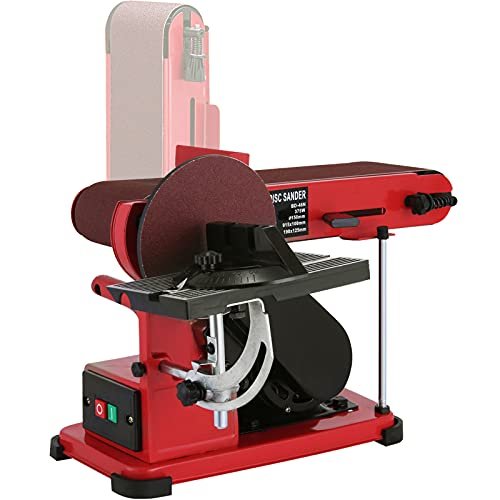
You’ve finally committed to refinishing that old dresser or restoring the weathered deck out back. You gather your supplies, plug in your single sander, and within minutes you realize it can’t reach the tight corners, leaves swirl marks on flat surfaces, or simply isn’t aggressive enough to strip old paint efficiently. The project stalls before it truly begins. This is the reality for countless homeowners who rely on one basic sanding tool to handle every task. A sander combo changes this equation entirely. By bundling complementary sanding tools—typically a random orbit sander paired with a detail or sheet sander—into one kit, it gives you the versatility to tackle furniture refinishing, cabinetry touch-ups, and full deck restorations with professional-level results. In this guide, you’ll learn exactly what a sander combo offers, how to choose the right one for your needs, and the techniques that transform rough wood into flawless, finish-ready surfaces.
What is a Sander Combo and Why Every Homeowner Needs One
A sander combo is a bundled tool kit that typically pairs a random orbit sander with a detail sander or quarter-sheet sander, giving you two complementary machines designed to cover the full spectrum of sanding tasks. The random orbit sander excels at smoothing large, flat surfaces—tabletops, doors, shelving—without leaving the circular scratch patterns that plague single-action disc sanders. The detail sander, with its triangular pad, reaches into corners, along edges, and around spindles where larger tools simply cannot fit. Together, they eliminate the compromises you’d otherwise make with a single tool.
Owning just one sander forces difficult trade-offs. A belt sander removes material fast but can gouge delicate surfaces. A finishing sander handles fine work but takes forever to strip old coatings. A sander combo sidesteps these limitations by letting you switch between tools based on what the wood actually demands at each stage. For homeowners whose projects range from touching up kitchen cabinet faces one weekend to stripping a painted porch railing the next, this flexibility is indispensable. The rise of DIY home improvement—accelerated by accessible online tutorials and the desire to add personal value to living spaces—means more people are tackling projects that once required hiring professionals. A sander combo meets this moment by putting workshop-level versatility into a single, manageable purchase.
Beyond Basic Sanding: The Unbeatable Advantages of a Combo Kit
The most immediate advantage of a sander combo is project efficiency. When you’re refinishing a bookcase, you need aggressive material removal on the shelves, delicate touch on decorative trim, and smooth finishing passes everywhere. With individual tools, you’d stop work, unplug one machine, dig through storage for another, and lose momentum repeatedly. A combo kit keeps both sanders at arm’s reach, letting you flow between tasks without breaking your rhythm. What might take an entire weekend with a single tool often wraps up in a focused afternoon.
Cost-effectiveness compounds over time. Purchasing a random orbit sander and a detail sander separately typically costs 20 to 35 percent more than buying them bundled, and that’s before considering the matched accessories—sandpaper assortments, dust bags, and carrying cases—included in most combo kits. You also avoid the common mistake of buying a tool that almost fits your needs, using it poorly, and then purchasing the correct one later anyway.
The quality difference is where a combo truly earns its place in your workshop. Using the right sander for each surface means the random orbit handles broad panels without creating uneven spots from excessive pressure in one area, while the detail sander addresses intricate molding profiles and tight joints where a larger pad would round over crisp edges. This precision translates directly into how stain absorbs and how paint adheres—evenly prepared wood produces visibly superior finishes. Finally, a single carrying case or storage bin keeps both tools organized together, eliminating the clutter of mismatched cases and loose accessories scattered across garage shelves.
Choosing Your Champion: Key Features to Look For in a Sander Combo
Selecting the right sander combo starts with understanding how you’ll actually use it. Power source is your first decision point. Corded combos deliver consistent power without worrying about battery life mid-project—ideal if you’re working in a garage or near outlets. Cordless models, typically running on 18V or 20V lithium-ion platforms, offer freedom to sand a fence line or work on a porch without dragging extension cords, though you’ll want at least two batteries to avoid downtime during longer sessions.
Motor power matters more than raw numbers suggest. For homeowner-scale projects, a random orbit sander drawing 2.5 to 3 amps handles most stripping and smoothing tasks comfortably. Variable speed control is non-negotiable—you need slower speeds (8,000–10,000 OPM) for delicate finishing on veneers and higher speeds (12,000+ OPM) for aggressive paint removal. Without this adjustability, you risk burning through thin wood or spending excessive time on stubborn coatings. Dust collection deserves equal attention. Look for kits with integrated dust ports compatible with standard shop vacuum hoses, not just clip-on dust bags that fill quickly and reduce suction. Effective dust management isn’t just about cleanliness—airborne particles obscure your work surface and compromise finish quality. Ergonomics determine whether you’ll actually finish a full project without fatigue. Grip diameter, vibration dampening, and overall weight distribution affect comfort during extended use. Pick up the tool if possible, or read reviews specifically mentioning comfort over multi-hour sessions. Finally, check included accessories: a combo that ships with a range of sandpaper grits (80, 120, 180, 220), hook-and-loop pad attachments, and a sturdy carrying case saves you an immediate trip to the hardware store.
Enhancing Your Project Precision with Quality Measuring Tools
Sanding is only as good as the measurements guiding it. Removing too much material from one table leg or sanding unevenly across a panel creates problems no amount of finish can hide. This is where precision measuring tools become essential companions to your sander combo. HOZO offers a range of innovative measuring tools—digital angle finders, precision calipers, and multi-function rulers—that let you verify thickness consistency, check angles on mitered edges after sanding, and confirm that surfaces are truly flat before applying stain. Using a digital caliper to measure remaining wood thickness at multiple points across a tabletop, for example, ensures you haven’t over-sanded one area relative to another. An angle finder confirms that beveled edges maintain their intended profile throughout the sanding process. These tools eliminate guesswork, prevent costly rework, and bring measurable accuracy to projects that would otherwise rely on eye and feel alone. Integrating measurement checks between sanding stages catches errors early, when they’re still easy to correct.
Top Sander Combo & Home Improvement Tools Recommendations
For homeowners just entering the world of serious DIY, an entry-level corded combo kit offers the best starting point. These typically pair a five-inch random orbit sander with a compact detail sander, include basic sandpaper assortments, and come in a molded carrying case. They handle weekend furniture projects, cabinet door refinishing, and light paint removal reliably. The trade-off is slightly higher vibration and simpler dust collection, but for occasional use, they perform admirably without straining your budget.
Mid-range combos step up with variable speed controls on both tools, improved dust-sealed switches for longer motor life, and hook-and-loop pad systems that make sandpaper changes nearly instantaneous. These kits suit homeowners who tackle multiple projects per season—think annual deck maintenance combined with ongoing furniture restoration. The random orbit sander in this tier typically offers enough power to strip old polyurethane efficiently while still finishing delicately at lower speeds. Cordless options become viable here, especially if you already own batteries from the same manufacturer’s tool platform.
Premium combos target the dedicated hobbyist or homeowner managing extensive renovations. Expect brushless motors that run cooler and last longer, advanced vibration dampening for all-day comfort, and dust collection systems that connect seamlessly to shop vacuums with micro-filtration. These kits often include additional pad sizes or specialty attachments for contoured surfaces. However, a sander combo alone doesn’t make a complete workstation. Pairing your kit with essential home improvement tools elevates every project: quality spring clamps and bar clamps hold workpieces steady so both hands control the sander, a NIOSH-rated respirator protects your lungs far better than the paper masks many people default to, and a shop vacuum with a HEPA filter connected to your sander’s dust port keeps the workspace clear and your finish free of embedded particles. These supporting tools transform good sanding into professional-quality surface preparation.
Your Step-by-Step Guide to Mastering the Sander Combo
Before you touch sandpaper to wood, gear up properly. Wear safety goggles—not just glasses—to seal against fine dust particles that irritate eyes for hours after exposure. A NIOSH-rated N95 respirator or half-face mask with P100 filters protects your lungs from wood dust, which is a known carcinogen with certain species like oak and walnut. Add hearing protection if you’re working for more than fifteen minutes, since even moderate sander noise causes cumulative damage over time.
Understanding grit sequencing separates amateur results from professional ones. Start with 80-grit only when you need to remove old finish, deep scratches, or significant material. Move to 120-grit for general shaping and smoothing. Progress to 180-grit to prepare for stain, and finish with 220-grit for surfaces receiving clear coats or paint. Never skip more than one grit level—jumping from 80 directly to 180 leaves deep scratches that the finer paper cannot fully erase, and they’ll show glaringly under stain.
Technique matters more than pressure. With your random orbit sander, let the tool’s weight do the work. Adding downward force actually slows the orbital action, creates uneven material removal, and accelerates pad wear. Move the sander slowly—about one inch per second—overlapping each pass by half the pad diameter. Keep the pad flat against the surface at all times; tilting it concentrates force on a small area and digs visible divots. For the detail sander, use the pointed tip to reach into corners with light, controlled strokes. The triangular pad’s edges handle along-the-grain work on narrow edges and molding profiles where the orbital would round over sharp details.
Achieving a finish-ready surface requires a final inspection step most people skip. After your last sanding pass, wipe the entire surface with a slightly damp cloth. This raises the grain—tiny wood fibers that lay flat when dry but stand up when moisture hits them. Let it dry completely, then make one final light pass with 220-grit. This process, called “raising the grain,” prevents your stain or water-based finish from creating a rough texture on what you thought was a smooth surface. For maintenance, clean dust from your sanders’ vents after every use with compressed air, inspect hook-and-loop pads for wear monthly, and replace backing pads when they no longer grip sandpaper firmly.
Project Precision: Common Uses and Techniques
Consider refinishing a wooden dining table—one of the most common sander combo projects. Begin with the detail sander on the legs and apron, using 80-grit to strip old varnish from turned profiles and tight joints where the legs meet the frame. Switch to 120-grit on these same areas once the old finish is gone. Now move to the random orbit sander for the tabletop. Work in sections, keeping the sander moving constantly to prevent dish-out in any single spot. Use your measuring tools to check thickness at the center and edges periodically—if you started at 3/4 inch, you want consistent readings across the entire surface, not thinner spots where you lingered too long. Progress through grits on both the top and legs simultaneously so the entire piece reaches 220-grit at the same time, ensuring uniform stain absorption.
Deck restoration follows a different workflow. Start with the random orbit sander fitted with 60 or 80-grit to remove gray, weathered wood fibers and old sealant from deck boards. Work board by board, following the grain direction. Use the detail sander for railings, balusters, and the areas where boards meet posts—spaces too tight for the five-inch orbital pad. Between boards, a folded piece of sandpaper by hand handles narrow gaps. After reaching 120-grit across the entire deck surface, verify flatness by laying a straightedge across multiple boards and checking for high spots that need additional attention. This systematic approach ensures your deck sealer penetrates evenly, preventing the blotchy appearance that plagues poorly prepared outdoor wood.
Transform Your Projects with the Right Sanding Tools and Techniques
A sander combo isn’t just another tool purchase—it’s a fundamental shift in how you approach every wood-related project in your home. By pairing complementary sanders that cover both broad surfaces and intricate details, you eliminate the frustrating compromises that stall projects and produce mediocre results. The versatility to move seamlessly between aggressive material removal and delicate finishing work means fewer tools cluttering your workshop, less money spent on piecemeal purchases, and dramatically better outcomes on everything from a single cabinet door to an entire outdoor deck. When you combine that sanding capability with precision measuring tools like those from HOZO, you add a layer of accuracy that catches errors before they become permanent flaws in your finished piece. Every thickness check, every angle verification, every flatness confirmation builds confidence that your preparation will produce the professional-quality result you envisioned at the start. Your next project—whether it’s that neglected dresser, those tired kitchen cabinets, or the deck that desperately needs renewal—is waiting. You now have the knowledge to choose the right combo, apply proper technique at every grit stage, and achieve surfaces that accept finish beautifully and evenly. Pick up your sanders, measure twice, sand smart, and build something you’re proud of.