According to the World Health Organization, over two billion people worldwide lack access to safely managed drinking water, and even in developed nations, tap water can contain traces of lead, pharmaceuticals, and industrial chemicals. As awareness of these contaminants grows, health-conscious consumers are increasingly seeking reliable solutions to protect their families. Reverse osmosis has emerged as one of the most effective water purification technologies available, capable of removing up to 99% of dissolved contaminants. However, this thoroughness comes with a trade-off: RO systems strip water of beneficial minerals like calcium, magnesium, and potassium that our bodies need for optimal function.
This is where remineralization RO technology enters the picture, representing a significant evolution in water filtration. By restoring essential minerals after purification, these advanced systems deliver water that is both exceptionally clean and nutritionally beneficial. In this article, we’ll explore how reverse osmosis water purifiers work, why remineralization matters for your health, how to choose the right water filtration system, and what emerging trends are shaping the future of clean drinking water technology.
The Fundamentals of Reverse Osmosis Water Purifiers
A reverse osmosis water purifier works by forcing water through a series of filtration stages that progressively remove impurities at the molecular level. Unlike simple carbon filters that primarily address taste and odor, RO technology tackles a far broader spectrum of contaminants, including heavy metals like lead and mercury, dissolved chemicals such as fluoride and arsenic, pharmaceutical residues, and harmful microorganisms. For health-conscious consumers, this translates to water that meets the highest safety standards while delivering a noticeably cleaner, crisper taste.

One common misconception about RO systems is that they waste excessive amounts of water. While older models did produce significant wastewater, modern designs have dramatically improved efficiency ratios, with some systems recovering up to 75% of the input water. Another myth suggests that RO water is “too pure” and therefore harmful—a claim that oversimplifies the relationship between mineral intake and water consumption. The reality is that most people obtain the majority of their essential minerals from food, though water can serve as a meaningful supplemental source, which is precisely why remineralization technology has become so important.
How RO Systems Achieve Superior Contaminant Removal
The multi-stage filtration process in a typical reverse osmosis water purifier begins with sediment pre-filters that capture larger particles like rust, sand, and silt. Next, activated carbon pre-filters absorb chlorine and organic compounds that could damage the delicate RO membrane. The heart of the system is the semi-permeable membrane itself, which features pores as small as 0.0001 microns—small enough to block dissolved solids, bacteria, and viruses while allowing pure water molecules to pass through. After the membrane, post-filters polish the water, removing any remaining taste or odor issues before it reaches your glass.
When compared to other water filtration systems, the difference in contaminant removal is substantial. Standard activated carbon filters typically remove 50-80% of common contaminants, and UV filters excel at neutralizing biological threats but leave chemical pollutants untouched. A quality RO system removes 95-99% of total dissolved solids, making it the most comprehensive single-point purification technology available to residential consumers. This thoroughness is what makes the reverse osmosis water purifier the preferred choice for households dealing with multiple water quality concerns simultaneously.
Why Remineralization is Crucial for RO Systems
While a reverse osmosis water purifier excels at eliminating harmful contaminants, the same mechanism that removes lead and arsenic also strips away minerals your body relies on daily. Standard RO water typically has a total dissolved solids reading near zero, meaning calcium, magnesium, potassium, and trace minerals that naturally occur in water sources are effectively eliminated. The World Health Organization has noted that long-term consumption of demineralized water may contribute to mineral deficiency, particularly in populations with limited dietary diversity. Research published in the Journal of General Internal Medicine found correlations between low-mineral water consumption and increased risks of fracture, cardiovascular issues, and electrolyte imbalance—though these effects are most pronounced when overall dietary mineral intake is also inadequate.
Remineralization RO technology solves this problem elegantly by adding a dedicated mineral restoration stage after purification is complete. These systems pass purified water through natural mineral cartridges—often containing calcite, corosex, or proprietary mineral blends—that reintroduce beneficial elements in controlled, health-optimized concentrations. The result is clean drinking water that not only tastes better due to a balanced pH and mineral profile but also contributes meaningfully to daily nutritional requirements. For health-conscious consumers who view hydration as part of a broader wellness strategy, remineralization transforms RO water from merely safe into genuinely health-promoting.
The Health Benefits of Mineral-Enriched Drinking Water
Mineral-enriched water supports the body in several concrete ways. Calcium and magnesium absorbed through water have high bioavailability—studies from the European Journal of Clinical Nutrition demonstrate that the body absorbs calcium from mineral-rich water at rates comparable to dairy products. These minerals directly support bone density maintenance, nerve signaling, and muscle function. Magnesium in particular plays a role in over 300 enzymatic reactions, including those governing energy metabolism and sleep regulation. Adequate potassium intake through remineralized water helps maintain healthy blood pressure levels and supports proper cellular hydration, meaning your body actually utilizes the water you drink more efficiently. For families, athletes, and anyone prioritizing long-term health, a water filtration system with remineralization capability ensures that every glass of clean drinking water actively contributes to nutritional well-being rather than creating a subtle deficit.
Choosing the Right Water Filtration System for Your Needs
Selecting the ideal water filtration system begins with understanding what’s actually in your water. Start by obtaining your local water quality report—available from your municipal supplier or through independent testing kits—and identify which contaminants exceed recommended levels. If your water contains multiple dissolved pollutants like heavy metals, nitrates, and chemical residues, a reverse osmosis water purifier will provide the most comprehensive protection. However, if your primary concerns are chlorine taste and sediment, a simpler activated carbon system might suffice at lower cost and complexity.
Next, consider your household’s daily water consumption and available installation space. A family of four typically needs a system capable of producing 50-75 gallons per day, while a couple might manage with a more compact unit. Under-sink RO systems fit neatly in most kitchen cabinets, whereas whole-house water filtration systems require dedicated utility space and professional plumbing modifications. Budget considerations extend beyond the initial purchase—factor in annual filter replacement costs, electricity usage for pumped systems, and potential professional maintenance visits when calculating true ownership costs over a three-to-five-year period.
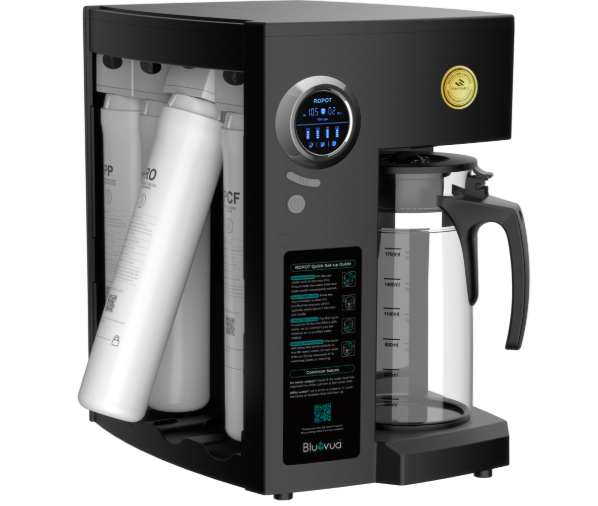
When comparing technologies, activated carbon filters offer affordability and simplicity but lack the thoroughness needed for seriously compromised water sources. UV filters provide excellent biological disinfection yet cannot address chemical or heavy metal contamination. A remineralization RO system combines the most complete contaminant removal with health-optimized mineral restoration, making it the strongest choice for health-conscious consumers who want clean drinking water without nutritional compromise. Brands like Bluevua have recognized this demand, developing countertop and under-sink RO systems that integrate remineralization stages to deliver mineral-balanced water conveniently.
Key Features to Look for in a Remineralization RO System
When evaluating a remineralization reverse osmosis water purifier, prioritize systems carrying NSF/ANSI certifications—particularly NSF 42 for aesthetic effects, NSF 53 for health-related contaminant reduction, and NSF 58 specifically for reverse osmosis performance. These third-party certifications verify that the system performs as advertised under standardized testing conditions. Examine the remineralization filter’s mineral composition and ensure it adds back calcium, magnesium, and potassium in meaningful concentrations rather than trace amounts that offer no real benefit.
Filter lifespan directly impacts long-term convenience and cost. Look for systems where the RO membrane lasts 24-36 months and remineralization cartridges remain effective for at least 6-12 months before requiring replacement. Flow rate matters for daily usability—systems producing at least 400 gallons per day ensure you won’t experience frustrating wait times during peak household usage. Finally, check whether the system includes a TDS meter or mineral indicator that confirms the remineralization stage is functioning properly, giving you ongoing assurance that your clean drinking water maintains its intended mineral profile.
Installation and Maintenance Tips for Long-Term Performance
Most under-sink remineralization RO systems are designed for competent DIY installation, typically requiring basic tools, a drill for the faucet hole, and two to three hours of focused work. The process involves connecting the system to your cold water supply line, mounting the storage tank, installing the dedicated faucet, and routing the drain line to your sink’s drainpipe. If your plumbing involves non-standard connections, older copper pipes, or you lack confidence working with water lines, investing in professional installation prevents costly leaks and ensures warranty compliance.
Consistent maintenance is non-negotiable for delivering reliably clean drinking water over time. Establish a schedule: replace sediment and carbon pre-filters every 6-12 months, swap the RO membrane every 24-36 months depending on your water quality and usage volume, and change the remineralization cartridge according to manufacturer guidelines. Mark replacement dates on your calendar or use the system’s built-in filter life indicators if available. Periodically sanitize the storage tank and check all connections for slow drips, as even minor leaks can cause cabinet damage over months. A well-maintained water filtration system consistently performs at peak efficiency, protecting both your health and your investment.
Emerging Trends in Remineralization RO Technology
The next generation of remineralization RO systems is being shaped by three converging forces: smart technology integration, environmental sustainability, and personalized health optimization. Manufacturers are already embedding sensors directly into filtration stages that measure TDS levels, pH balance, and mineral concentrations in real time, transmitting this data to smartphone apps that give users unprecedented visibility into their water quality. These smart filters eliminate guesswork around maintenance timing and provide documented proof that your reverse osmosis water purifier is performing within optimal parameters every single day.
Sustainability has become a defining priority in water filtration system design. Next-generation RO systems are achieving wastewater ratios as low as 1:1—meaning one gallon of purified water for every gallon of reject water—compared to the 1:3 or 1:4 ratios common just a decade ago. Some manufacturers are developing closed-loop systems that redirect wastewater for household uses like irrigation or toilet flushing, effectively eliminating waste entirely. Energy-efficient pump designs and tankless configurations further reduce the environmental footprint while delivering clean drinking water on demand without storage-related bacterial concerns.
Perhaps the most exciting frontier is personalized remineralization. Emerging systems will allow users to customize mineral profiles based on individual health data—adjusting calcium levels for someone managing osteoporosis risk, increasing magnesium for users with sleep difficulties, or optimizing electrolyte balance for athletes. As wearable health devices generate increasingly detailed metabolic data, the integration between personal health monitoring and home water filtration systems will create truly adaptive hydration solutions tailored to each household member’s unique needs.
The Role of IoT and AI in Enhancing Water Filtration
Internet of Things connectivity is transforming the reverse osmosis water purifier from a passive appliance into an intelligent health tool. IoT-enabled systems continuously monitor incoming water quality, detecting spikes in contaminant levels—such as those occurring after municipal pipe maintenance or agricultural runoff events—and automatically adjusting filtration intensity or alerting homeowners to potential risks before compromised water reaches the tap. Automated maintenance alerts track actual filter usage rather than relying on generic timelines, ensuring replacements happen precisely when needed rather than too early or dangerously late.
Artificial intelligence adds a predictive layer that makes these systems genuinely proactive. Machine learning algorithms analyze patterns in your local water supply data, seasonal contamination trends, and household consumption habits to forecast when filter performance will degrade and pre-order replacements accordingly. Looking ahead, integration with broader home automation ecosystems means your water filtration system will communicate with smart refrigerators, health apps, and even voice assistants—creating a seamless experience where monitoring and maintaining your clean drinking water supply requires virtually no conscious effort while delivering increasingly personalized results.
Achieving Pure, Mineral-Rich Water for Your Family’s Health
The evolution of water filtration technology has brought us to a pivotal moment where consumers no longer need to choose between purity and nutrition. Reverse osmosis remains the gold standard for contaminant removal, effectively eliminating up to 99% of dissolved pollutants that threaten our health. Yet the addition of remineralization technology transforms this already powerful system into something genuinely health-promoting—restoring calcium, magnesium, and potassium that support bone density, cardiovascular function, and cellular hydration.
Choosing the right water filtration system requires honest assessment of your water quality, household needs, and long-term budget. For those facing multiple contaminant concerns, a remineralization RO system offers the most complete solution available today. As smart technology, sustainability innovations, and personalized mineral optimization continue advancing, these systems will only become more effective and user-friendly. Take the first step by testing your water, reviewing your current filtration setup, and exploring whether a remineralization reverse osmosis water purifier aligns with your family’s health goals. Clean drinking water that actively nourishes your body is no longer a future aspiration—it’s available now.