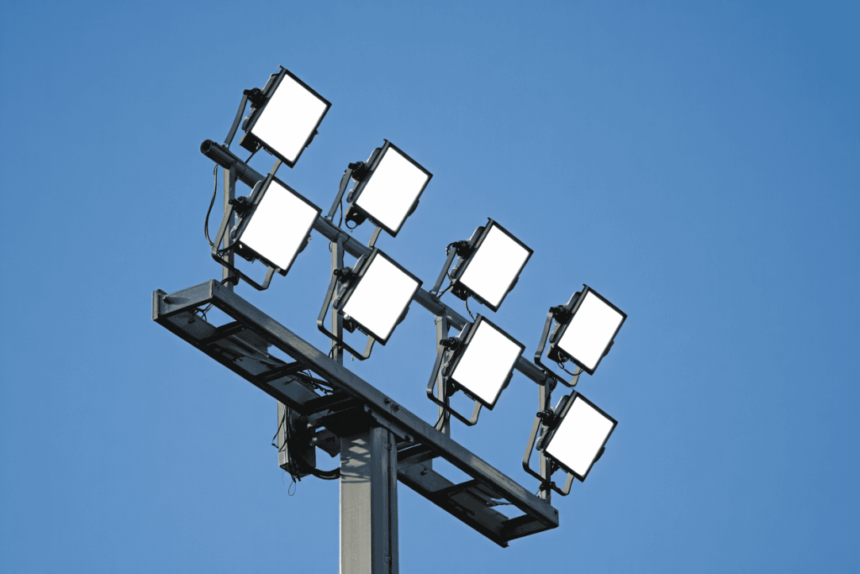
According to FBI crime data, homes without adequate exterior lighting are up to 60% more likely to be targeted by burglars. When darkness falls, an unlit property becomes an open invitation—offering concealment for intruders and creating hazardous conditions for residents navigating walkways, driveways, and entry points. High-lumen flood lights serve as one of the most effective and immediate deterrents against these threats, transforming vulnerable shadows into well-lit zones of visibility.
Yet walking into the flood light market today can feel overwhelming. Thousands of options compete for attention, each boasting different lumen counts, wattage figures, sensor types, and weatherproof ratings. How do you distinguish between a light that merely looks bright on paper and one that genuinely secures your property? What’s the difference between adequate illumination and wasteful over-lighting? This guide cuts through the noise. By the end, you’ll have a clear, practical framework for selecting high-lumen LED flood lights that match your specific security needs, withstand your local climate, and deliver long-term value for both safety and property enjoyment.
Understanding Lumens and Brightness: The Heart of Effective Security Lighting
For decades, consumers judged a bulb’s brightness by its wattage—a measure that actually reflects energy consumption, not light output. Lumens are the true measure of visible light a fixture produces. A 10-watt LED can emit the same lumens as a 75-watt halogen bulb, making wattage an unreliable comparison tool in today’s market. When evaluating security lighting, lumens tell you exactly how much illumination will reach your property.
The connection between lumen output and security is straightforward: more lumens cover more ground, eliminating the dark pockets where intruders hide. However, different outdoor zones demand different levels of brightness. A standard entryway or walkway typically requires 700 to 1,500 lumens to ensure safe footing and facial recognition at a distance. Driveways and garage areas benefit from 1,500 to 3,000 lumens, providing enough coverage to illuminate vehicles and movement across a wider plane. For expansive backyards or full perimeter coverage, fixtures delivering 3,000 to 10,000 lumens or more become necessary to push light across greater distances without leaving gaps.
That said, more isn’t always better. Excessively bright fixtures aimed poorly create harsh glare that actually impairs vision—you’ll see the light source itself but lose detail in the surrounding area. Over-lighting also contributes to light pollution, disturbing neighbors and disrupting local wildlife. The goal is matching lumen output precisely to your coverage area and mounting height. A well-chosen 5,000-lumen fixture angled correctly will outperform a 10,000-lumen light aimed carelessly. Think of lumens as a tool that requires direction, not just raw power.
Key Features of Reliable Outdoor LED Flood Lights
Brightness matters, but a high-lumen fixture that fails after six months of weather exposure offers no real security. The most effective flood lights combine strong output with engineering designed to survive years of outdoor punishment while keeping energy costs manageable.
Ingress Protection (IP) Ratings for Waterproof Lighting
Every outdoor fixture carries an IP rating—a two-digit code indicating its resistance to solids (first digit) and liquids (second digit). An IP65-rated light is completely sealed against dust and can withstand water jets from any direction, making it suitable for most residential installations in temperate climates. For regions experiencing heavy storms, coastal salt spray, or prolonged snow accumulation, stepping up to IP66 or IP67 provides additional assurance. An IP67 fixture can survive temporary submersion, which matters for ground-level installations prone to flooding or pooling water. If you live in a mild, dry climate, IP44 may suffice for covered areas, but for any exposed mounting position, treat IP65 as your minimum standard.
Durability and Build Quality for Harsh Conditions
The housing material directly determines how long your investment lasts. Die-cast aluminum housings resist corrosion, absorb impacts, and conduct heat away from LED chips—a critical function since excessive heat degrades LEDs and shortens lifespan dramatically. Plastic housings cost less initially but become brittle under UV exposure and offer poor thermal management. Beyond the shell, look for fixtures with finned heat sinks that passively dissipate operating heat. Impact resistance, measured by IK ratings, matters in exposed locations; an IK08 or higher rating means the fixture can survive the equivalent of a 1.7-kilogram object dropped from 300mm—protecting against hail, debris, or even vandalism attempts.
Energy Efficiency and Cost of Operation
LED flood lights consume roughly 75-80% less electricity than halogen equivalents producing identical lumen output, and they last five to ten times longer before requiring replacement. A fixture running dusk-to-dawn every night accumulates significant operating hours annually. The energy savings compound quickly—often recouping the higher purchase cost within the first year or two. When comparing options, check the lumens-per-watt ratio; efficient modern LEDs deliver 100 to 150 lumens per watt, meaning a 50-watt fixture can realistically produce 5,000 to 7,500 lumens while adding minimal impact to your monthly electricity bill. Brands like Hyperlite have focused on optimizing this efficiency ratio across their LED flood light lineup, helping property owners achieve high lumen output without excessive energy draw.
Choosing the Right Flood Light for Your Specific Application
Not every corner of your property demands the same lighting approach. A fixture perfectly suited for deterring intruders along a fence line would feel harsh and unwelcoming on a patio where you host evening gatherings. Matching the right flood light to each specific zone ensures you get genuine security without sacrificing comfort or wasting energy.
Perimeter and Security Lighting Solutions
For dedicated security coverage, prioritize fixtures with integrated motion sensors, wide beam angles between 120 and 180 degrees, and lumen outputs starting at 3,000 and climbing higher based on the distance you need to cover. Motion-activated lights serve a dual purpose—they startle potential intruders with sudden illumination while also conserving energy by remaining off during inactive periods. Strategic placement eliminates blind spots: mount fixtures at corners where two walls meet to sweep light along both planes simultaneously, position them above garage doors and gates where forced entry is most common, and ensure that each light’s coverage overlaps slightly with adjacent fixtures so no dark corridor exists between zones. Aim lights downward at a 15-to-30-degree angle to maximize ground coverage while minimizing glare that could blind you when looking toward the fixture.
Task and Accent Lighting for Outdoor Living Spaces
Patios, decks, and landscaped gardens call for a different philosophy. Here, color temperature becomes as important as brightness. Security lights typically use cool white tones between 5000K and 6500K because they produce high-contrast visibility. For living spaces, warm white between 2700K and 3500K creates an inviting atmosphere that encourages relaxation rather than triggering alertness. Flood lights in these areas can operate at lower lumen levels—1,000 to 2,500 lumens often suffices—and benefit from dimmable controls or adjustable output settings that let you shift from bright task lighting during a barbecue to subtle ambient glow during a quiet evening outdoors.
Special Considerations: Large Properties and Remote Areas
Expansive rural properties, detached workshops, and outbuildings present unique challenges. Distances between structures may exceed the reach of standard residential fixtures, requiring units delivering 10,000 lumens or more with narrow beam angles that project light farther rather than wider. Solar-powered flood lights become practical solutions for locations where running electrical wiring would be expensive or disruptive—modern solar units with lithium battery storage can reliably power high-output LEDs through the night after a full day’s charge. For these remote installations, look for motion sensors with extended detection ranges of 40 to 70 feet, ensuring the light activates well before someone reaches the structure rather than only when they’re already at the door.
Your Step-by-Step Guide to Purchasing the Perfect Flood Lights
With a solid understanding of lumens, features, and application types, you’re ready to translate knowledge into action. Follow this practical checklist to move from overwhelmed browser to confident buyer.
Step 1: Assess Your Area and Identify Key Illumination Zones
Grab a simple sketch of your property’s layout—it doesn’t need to be architectural quality. Mark every entry point including doors, gates, and garage openings. Identify dark corridors along fence lines, gaps between structures, and any areas where landscaping creates concealment. Then note your activity zones: the patio where you entertain, the path you walk nightly to take out trash, the driveway where you unload groceries after dark. This visual map becomes your lighting blueprint, revealing exactly how many fixtures you need and where each one belongs.
Step 2: Calculate Required Lumen Output and Beam Angle
Apply your zone map against the lumen guidelines covered earlier. Narrow walkways get 700 to 1,500 lumens with focused beam angles around 90 degrees. Driveways and open yards need 3,000-plus lumens with wider 120-to-180-degree spreads. For each zone, consider the mounting height—higher placements require greater lumen output to maintain ground-level brightness, since light intensity diminishes with distance from the source.
Step 3: Select Essential Features (IP Rating, Sensors, Color Temperature)
Cross-reference each zone’s environmental exposure with appropriate IP ratings—exposed positions demand IP65 minimum. Security zones benefit from motion sensors and cool white temperatures around 5000K for maximum visibility. Living spaces call for warm white tones and optional dimming capability. Match these feature sets zone by zone rather than buying identical fixtures for every location.
Step 4: Installation and Maintenance Tips for Lasting Performance
Mount security fixtures between 8 and 12 feet high—low enough to illuminate faces but high enough to prevent easy tampering. If you’re uncomfortable working with electrical wiring, hire a licensed electrician rather than risking improper connections that could create fire hazards or void warranties. Once installed, clean lenses quarterly with a soft cloth to remove dirt and insect residue that gradually reduces output. Check mounting brackets and seals annually before storm season to confirm everything remains watertight and secure.
Turning Knowledge Into a Safer, Well-Lit Property
Selecting the right high-lumen flood lights comes down to balancing technical knowledge with thoughtful, site-specific strategy. Lumens determine how much light reaches your property, IP ratings ensure that light keeps working through storms and seasons, and features like motion sensors and adjustable color temperatures let you tailor each fixture to its purpose—whether that’s deterring an intruder at the fence line or creating a warm glow over a weekend dinner on the patio.
The right outdoor lighting isn’t an expense—it’s an investment that pays returns in personal safety, reduced vulnerability to crime, and genuine enjoyment of your property after dark. Every well-lit corner removes an opportunity for concealment. Every properly aimed beam makes your walkways safer and your evenings more comfortable. Use the step-by-step purchasing guide above to transform what once felt like an overwhelming decision into a clear, confident action plan. Sketch your property, match your zones to the right outputs and features, and install with care. The result is a home that works for you around the clock—visible, secure, and welcoming long after the sun goes down.