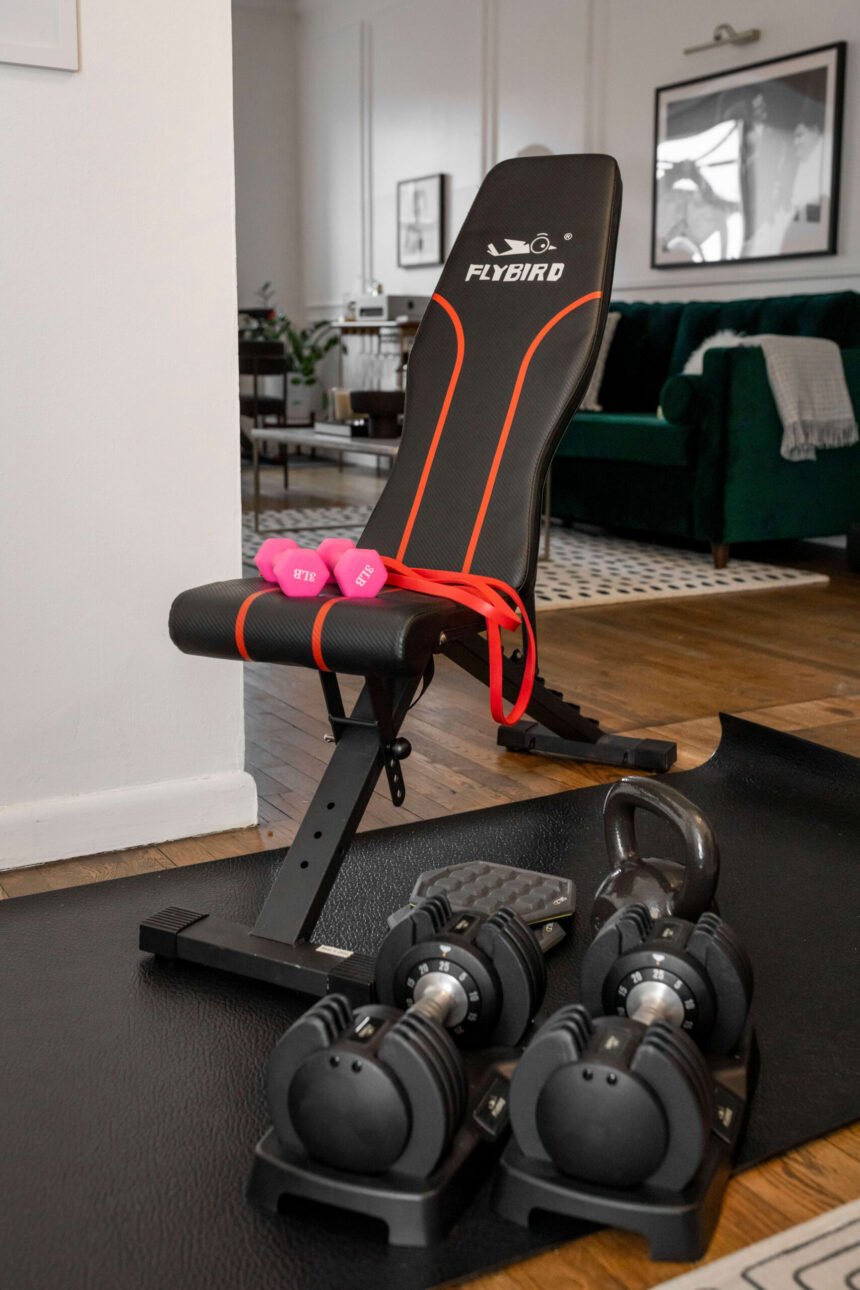
The home fitness revolution has entered a new phase. What once meant a dusty treadmill in the garage now involves sophisticated training systems that rival commercial gym setups—all within a fraction of the space. But for advanced lifters and seasoned athletes, finding the right small home gym machine presents a unique challenge. Basic resistance bands and entry-level dumbbells simply cannot deliver the progressive overload, exercise variety, and performance feedback that experienced trainers demand. The equipment must support heavy loads, offer granular weight adjustments, and ideally provide data-driven insights into every rep and set.
This article cuts through the noise to help you identify which compact gym machines genuinely serve advanced training goals. Whether you’re chasing strength plateaus, programming periodized cycles, or tracking volume metrics over time, the right machine makes all the difference. We’ll evaluate what separates serious home workout solutions from the rest—examining resistance mechanisms, build quality, smart technology integration, and practical selection criteria so you can invest with confidence and train without compromise.
Understanding the Demands of Advanced Home Training
Advanced training isn’t simply lifting heavier weights—it’s a systematic approach to programming that demands precise control over variables like intensity, volume, tempo, and recovery. For home users operating at this level, “advanced” means working with periodized training blocks, manipulating rep ranges across mesocycles, and requiring enough resistance to challenge compound lifts well beyond bodyweight. These athletes have typically exhausted the utility of fixed dumbbells, basic pull-up bars, and standard resistance bands that cap out far below their working loads.
The limitations become apparent quickly. A seasoned squatter working at 300-plus pounds cannot rely on a machine rated for 150. Someone programming undulating periodization needs weight increments of 2.5 to 5 pounds—not the 10-pound jumps that cheaper equipment forces. Advanced fitness equipment must accommodate these realities while fitting inside a spare bedroom, garage corner, or apartment living space that measures well under 100 square feet.
Beyond raw resistance, experienced enthusiasts need detailed workout tracking and actionable insights. They want to know their force output per rep, identify sticking points in a lift, and monitor fatigue accumulation across training weeks. Without this feedback loop, progress stalls and injury risk climbs. The target audience isn’t looking for motivation—they already have discipline. What they lack is equipment sophisticated enough to match their training intelligence. Space-efficient solutions that deliver commercial-grade performance aren’t a luxury for these users; they’re a prerequisite for continued adaptation in a home environment where every square foot must earn its place.
Essential Features in Small Home Gym Machines for Progressive Overload
Progressive overload remains the non-negotiable driver of strength and hypertrophy gains, and the mechanism through which a small home gym machine delivers resistance determines whether it can sustain long-term progress. Unlike commercial gyms where you simply grab the next plate, compact home systems must engineer incremental loading into a confined footprint. The best machines accomplish this through layered resistance approaches—combining primary weight systems with supplemental options that extend the effective range far beyond what any single mechanism could offer alone.
For advanced users, the difference between stagnation and adaptation often comes down to whether equipment allows micro-loading. A machine that jumps from 100 to 110 pounds forces suboptimal programming decisions. One that permits 2.5-pound increments lets you follow percentage-based programs with the precision they require. This granularity, paired with enough total resistance to challenge heavy compound movements, separates genuine adjustable weight training platforms from consumer-grade novelties.
Mechanisms for Adjustable Resistance
Pin-selector weight stacks offer the most familiar adjustment method—quick changes between sets with clearly marked increments. However, advanced compact machines have moved well beyond this. Electromagnetic and digital resistance systems generate force through motors or magnetic braking, eliminating the need for physical weight plates entirely. These systems can simulate loads exceeding 300 pounds while occupying the footprint of a small bookshelf. They also enable eccentric overloading, accommodating resistance curves, and instant weight changes mid-set—features impossible with traditional stacks. Hybrid systems combine a base weight stack with resistance band integration, adding variable tension that increases through the range of motion. This mimics chain-loaded barbell work and creates a more demanding lockout without requiring additional floor space. For adjustable weight training at the advanced level, the ideal machine offers at least two complementary resistance methods and total loading capacity above 200 pounds with increments no larger than five pounds.
Durability and Stability for Heavy Loads
When you’re generating force equivalent to a 350-pound squat or a 250-pound row, the machine’s structural integrity becomes a safety issue—not merely a longevity concern. Advanced users should scrutinize frame construction: heavy-gauge steel (11-gauge or thicker), reinforced weld points, and wide base plates that prevent tipping or lateral sway under maximal effort. Cable systems deserve particular attention—aircraft-grade steel cables with rated capacities well above the machine’s advertised maximum provide a necessary safety margin. Pulley bearings should be sealed and industrial-rated to handle repeated high-load cycles without developing play or friction inconsistencies. Stability also means the machine stays planted during explosive movements. Rubberized feet, bolt-down options, and a low center of gravity all contribute. If equipment shifts or flexes noticeably under heavy loads, it introduces injury risk and undermines the proprioceptive feedback advanced lifters rely on for technique refinement. Build quality isn’t where you cut costs—it’s where you protect both your body and your investment.
Integrating Advanced Fitness Equipment with Workout Tracking
Raw strength means little without context. Advanced trainees don’t just want to know they completed a set—they need to understand how that set compares to last week’s performance, whether bar speed is declining as fatigue accumulates, and if their force production curve reveals weaknesses at specific joint angles. This is where modern small home gym machines distinguish themselves from traditional iron. The integration of smart technology transforms a compact resistance machine into a comprehensive training laboratory, delivering the kind of granular performance data that was once exclusive to university sports science departments or elite training facilities.
The shift toward data-driven training at home reflects a broader truth about advanced programming: subjective effort ratings and handwritten training logs cannot capture the nuance that separates a productive training block from one that leads to overreaching. When a machine quantifies every repetition’s velocity, time under tension, and power output, it creates an objective record that informs programming adjustments in real time. This feedback loop accelerates progress by removing guesswork from deload decisions, intensity prescriptions, and exercise selection changes.
Smart Features and Connectivity Options
The most capable compact gym machines now ship with built-in sensors that measure force output, rep velocity, and range of motion without requiring external attachments. Bluetooth and Wi-Fi connectivity pipe this data directly to companion apps or third-party platforms like Apple Health, Google Fit, or specialized training software such as TrainHeroic and TrueCoach. Some systems incorporate touchscreens that display real-time metrics during your set—showing whether concentric speed is dropping below your target threshold or if one side is producing noticeably less force than the other. Advanced machines also offer API access or CSV exports, letting data-literate users build custom dashboards or feed information into periodization spreadsheets. The key differentiator for experienced athletes isn’t flashy graphics or gamified workouts—it’s whether the system captures the specific variables that inform intelligent programming decisions: average and peak velocity, eccentric-to-concentric ratios, volume load trends, and estimated one-rep max calculations derived from velocity-based training principles.
Steps to Set Up a Data-Driven Home Workout Solution
Getting meaningful insights from your equipment requires deliberate setup rather than simply unboxing and pressing start. First, calibrate the machine’s resistance system according to manufacturer specifications—digital systems especially need initial calibration to ensure displayed loads match actual resistance. Second, create your profile within the companion app with accurate baseline data: current one-rep maxes, training history, and goal-specific parameters like target rep velocity zones for strength versus hypertrophy work. Third, connect the machine to your preferred ecosystem by enabling Bluetooth pairing and authorizing data sharing with any third-party apps you already use for programming or nutrition tracking. Fourth, establish your baseline metrics by performing standardized tests—a velocity profile across multiple loads on key movements gives the algorithm reference points for future recommendations. Fifth, configure alerts and thresholds that matter to your programming: set notifications for when rep velocity drops below a predetermined percentage, indicating you’ve reached effective fatigue for that set. Finally, review weekly summaries rather than obsessing over individual session data. Trends across seven to fourteen days reveal whether your training stimulus is driving adaptation or whether recovery protocols need adjustment. This systematic approach ensures technology serves your programming rather than becoming a distraction from the work itself.
Top Small Home Gym Machine Recommendations and Evaluation Steps
Selecting the right compact machine for advanced training requires moving beyond marketing claims and evaluating how each system performs against the specific demands outlined above. The home workout solutions that genuinely serve experienced athletes share common traits—high resistance ceilings, fine-grained adjustability, robust construction, and meaningful data integration—but they achieve these through different engineering philosophies. Understanding these differences helps you match a machine to your training style rather than forcing your programming to fit equipment limitations.
Review of Leading Compact Machines
Digital resistance platforms like the Tonal wall-mounted system deliver up to 200 pounds of electromagnetic resistance per arm with single-pound increments, built-in velocity tracking, and AI-driven programming adjustments. The strength lies in its minimal footprint and sophisticated rep-by-rep analytics, though advanced powerlifters may find the total load ceiling limiting for heavy bilateral movements like squats and deadlifts. Cable-based functional trainers such as the Inspire FTX occupy more floor space but offer dual 165-pound weight stacks with standard 2.5-pound increment add-ons, accommodating over 100 exercises through adjustable pulley heights. They lack integrated smart tracking but pair well with external velocity-based training devices. Hybrid systems like the Speediance GYM Monster or similar all-in-one platforms combine substantial digital resistance with touchscreen coaching and comprehensive metric logging, offering higher load capacities that appeal to athletes who prioritize both training variety and maximal strength development. Each category addresses progressive overload differently—electromagnetic systems through precision and eccentric manipulation, cable systems through raw load capacity and movement freedom, and hybrids through versatility and connected feedback.
Practical Selection Checklist for Advanced Users
Before purchasing, evaluate each machine against these criteria matched to your specific programming needs. Assess maximum resistance relative to your working loads—ensure the machine exceeds your current one-rep max on primary movements by at least 20 percent to allow room for progression. Verify increment size aligns with your percentage-based programming; anything above five-pound jumps will compromise precision on accessory work. Measure your available space and compare it against the machine’s operational footprint, which includes room for full range of motion on all intended exercises—not just the unit’s resting dimensions. Confirm tech compatibility by checking whether the system exports data in formats your existing training software accepts, and whether it tracks the variables central to your methodology (velocity, time under tension, volume load). Evaluate build quality by examining frame gauge, cable rating, and warranty terms—machines backed by commercial-grade warranties signal manufacturer confidence in durability under heavy use. Finally, consider exercise variety: count the distinct movement patterns available and determine whether they cover your full training split without requiring supplemental equipment that negates the space savings you sought in the first place.
Matching Equipment to Your Programming for Lasting Progress
The right small home gym machine for advanced training isn’t the one with the most features on paper—it’s the one that aligns precisely with how you actually program and progress. The non-negotiables remain consistent across every serious home setup: sufficient resistance capacity with fine-grained adjustability to support percentage-based programming, construction robust enough to handle maximal efforts safely, and integrated or compatible tracking systems that transform raw effort into actionable performance data. These three pillars—progressive overload capability, structural integrity, and intelligent feedback—separate equipment that drives continued adaptation from equipment that becomes an expensive coat rack within months.
Your training has already evolved beyond what basic equipment can support. The home workout solutions available today can genuinely match that sophistication, provided you evaluate them against your specific programming demands rather than generic marketing promises. Measure your space, audit your working loads, identify which data points actually inform your training decisions, and select accordingly. The compact machine that earns its footprint in your home is the one that eliminates the gap between your training intelligence and your equipment’s capabilities—letting discipline and smart programming do what they’ve always done: produce results.