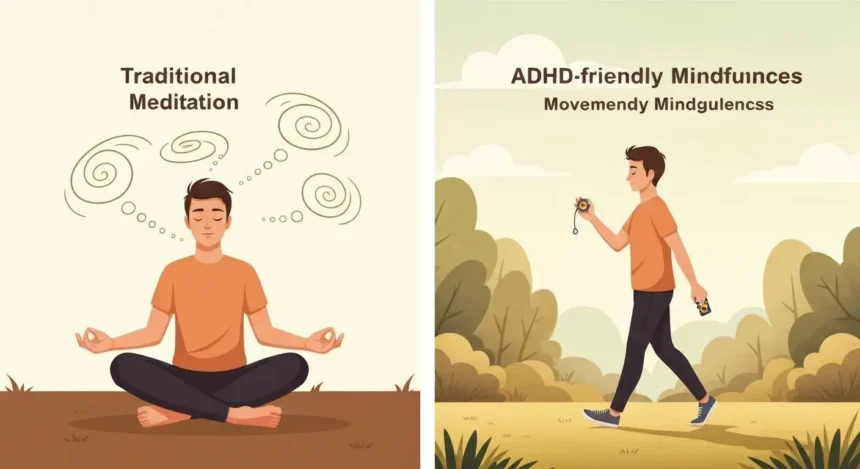
More college students than ever are searching for ways to manage ADHD symptoms without relying solely on prescription medications. Whether driven by concerns about side effects, difficulty accessing an online doctor for ADHD meds, or a genuine desire to build lasting coping skills, the shift toward non-medication approaches is gaining real momentum. Mindfulness coaching has emerged as one of the most promising alternatives—a structured practice that trains attention, emotional awareness, and self-regulation in ways that directly address the core struggles of ADHD. This article explores how you can use mindfulness coaching as a practical, affordable tool for managing ADHD while investing in your personal development. Designed specifically for college students seeking growth without breaking the bank, you’ll find actionable strategies, accessible resources, and step-by-step guidance to build a mindfulness practice that fits your life and supports your mental health for the long term.
Understanding ADHD and the Shift to Non-Medication Treatments
ADHD affects roughly 8-10% of college students, manifesting as persistent difficulty sustaining attention during lectures, chronic procrastination on assignments, impulsive decision-making, and emotional reactivity that strains relationships. For students, these challenges compound under academic pressure—missed deadlines, forgotten commitments, and the constant feeling of underperformance despite genuine effort. Traditionally, treatment has centered on stimulant medications prescribed through in-person psychiatrists or increasingly through online doctors for ADHD meds. While medication helps many people, it isn’t the right fit for everyone. Some students experience appetite suppression, insomnia, or anxiety as side effects. Others face barriers like insurance limitations, long waitlists, or philosophical preferences for building internal skills rather than relying on external substances. This has fueled growing interest in non-medication treatments that address ADHD at its roots—training the brain’s capacity for self-regulation rather than chemically altering its function. Personal development frameworks, particularly mindfulness-based approaches, offer students a path toward managing symptoms while simultaneously building life skills that extend far beyond symptom control. The appeal is clear: develop lasting cognitive habits that serve you academically, professionally, and personally without ongoing prescription dependence.
What is Mindfulness Coaching and Its Benefits for ADHD
Mindfulness coaching is a guided practice where a trained coach helps you develop present-moment awareness and intentional attention control through structured exercises and accountability. Unlike traditional therapy, which often focuses on diagnosing and treating underlying psychological conditions, mindfulness coaching is forward-looking and skill-based—it’s about building practical cognitive habits you can deploy in real time. Think of it as life coaching with a specific focus on training your brain’s attention system. For students with ADHD, this approach targets the exact neural pathways that underperform: sustained focus, impulse inhibition, and emotional regulation. Research from institutions like UCLA’s Mindful Awareness Research Center has shown that consistent mindfulness practice increases activity in the prefrontal cortex—the brain region responsible for executive function that’s typically underactive in ADHD. The practical benefits translate directly to student life. You notice your mind wandering during a lecture and gently redirect it instead of losing twenty minutes. You feel the urge to check your phone while studying and observe that impulse without acting on it. You catch rising frustration during a group project before it becomes a conflict. Mindfulness coaching also reduces the chronic stress and self-criticism that often accompany ADHD, creating a more compassionate internal environment where personal development becomes sustainable rather than punishing.
Core Techniques in Mindfulness Coaching for ADHD
Three foundational techniques form the backbone of most ADHD-focused mindfulness coaching. Breath awareness anchors your attention to a single sensory experience, training the “attention muscle” that ADHD weakens—even two minutes between classes builds capacity. Body scans teach you to notice physical tension and restlessness without reacting, which directly counters hyperactive impulses. Mindful meditation, practiced for five to fifteen minutes daily, strengthens your ability to observe thoughts as passing events rather than commands requiring immediate action, reducing the impulsive decision-making that derails academic progress.
Practical Steps to Implement Mindfulness Coaching for ADHD
Starting a mindfulness coaching practice doesn’t require expensive retreats or hours of free time—it requires intention, consistency, and a willingness to begin small. The following steps provide a concrete framework designed for students who want to integrate mindfulness into already-packed schedules while building personal development habits that compound over time.
Step 1: Assessing Your Needs and Setting Goals
Before diving into practice, spend one week tracking which ADHD symptoms disrupt your life most. Use a simple notes app to log moments of lost focus, impulsive reactions, or emotional overwhelm. Then define two or three specific goals—perhaps “redirect attention within 30 seconds during lectures” or “pause before responding to frustrating emails.” Free self-assessment tools like the ASRS screening checklist can help you identify priority areas, turning vague frustration into targeted personal growth objectives.
Step 2: Building a Consistent Mindfulness Routine
Anchor your practice to an existing habit—immediately after brushing your teeth or right before opening your laptop for study sessions. Start with just three minutes of breath awareness using free apps like Insight Timer or UCLA’s guided meditations. Increase by one minute weekly until you reach ten to fifteen minutes. Many universities offer free mindfulness workshops through counseling centers or wellness programs, providing structured guidance that reinforces your non-medication treatment plan without additional cost.
Step 3: Overcoming Common Challenges and Staying Motivated
The biggest obstacle isn’t finding time—it’s managing the frustration when your mind wanders constantly during early sessions. Expect this. Each redirection of attention is the exercise working, not evidence of failure. If cost concerns arise, peer accountability groups function like free life coaching—find a study partner committed to daily practice and check in via text. Track streaks on a habit app, and remember that even inconsistent practice builds neural pathways over time.
Accessing Affordable Mindfulness Coaching Resources for Students
You don’t need a large budget to access quality mindfulness coaching for ADHD. Most universities offer free mindfulness programs through counseling centers, student wellness offices, or psychology departments running research-based groups—check your school’s website or ask a campus advisor. Online platforms like Insight Timer, Smiling Mind, and UCLA’s free Mindful Awareness Research Center recordings provide guided sessions specifically designed for attention training. Community meditation groups, often meeting at local libraries or community centers, offer peer support at no cost. Compared to recurring expenses associated with an online doctor for ADHD meds—which can include consultation fees, prescription costs, and monthly follow-ups—mindfulness coaching resources often require only time investment. Services like Mindful can also help students explore integrated approaches that combine medical guidance with mindfulness-based strategies for ADHD management. Apps like Headspace and Calm offer student discounts, while YouTube channels dedicated to ADHD mindfulness provide unlimited free content. When evaluating quality, look for coaches or programs with credentials in ADHD-specific training, evidence-based techniques, and structured progression rather than generic relaxation content. Peer reviews from other students and university endorsements signal reliability. Starting with free institutional resources gives you a foundation for personal growth, and you can invest in paid coaching later if you want deeper accountability and customization.
Integrating Life Coaching and Personal Development for Holistic Growth
Mindfulness coaching becomes significantly more powerful when combined with broader life coaching principles that address the full spectrum of ADHD-related challenges. While mindfulness trains your attention and emotional regulation, life coaching helps you apply those skills strategically—building time management systems that account for your brain’s tendency toward hyperfocus and distraction, developing career plans that leverage ADHD strengths like creativity and high-energy problem-solving, and strengthening social skills through intentional communication practices. The synergy between these non-medication treatments creates a personal development ecosystem where each skill reinforces the others. For example, the self-awareness you gain through mindfulness makes time-blocking more effective because you recognize when your focus is genuinely fading versus when you’re simply avoiding discomfort. To create a balanced self-improvement plan, dedicate your mindfulness practice to building foundational awareness, then layer in one life coaching goal per month—perhaps organizing your semester with a priority matrix in October, then practicing assertive communication in November. Many peer coaching exchanges among students provide this structure informally and freely. The goal isn’t perfection but progressive capability: each semester, you’re managing ADHD with greater skill while simultaneously developing professionally and personally in ways that medication alone could never provide.
Building Lasting ADHD Management Skills Through Mindfulness
Mindfulness coaching offers college students with ADHD a genuine, evidence-based path to managing symptoms without medication dependence. By training your brain’s attention system through breath awareness, body scans, and structured meditation, you build the executive function skills that ADHD undermines—sustained focus, impulse control, and emotional regulation. The practical steps outlined here require minimal financial investment: track your symptoms, anchor a short daily practice to existing habits, leverage free university and online resources, and layer in life coaching principles for holistic growth. What makes this approach particularly valuable for students is that you’re not just treating symptoms—you’re developing cognitive and emotional capabilities that strengthen your academic performance, career readiness, and relationships simultaneously. The neural pathways you build through consistent practice become permanent assets, compounding in value long after graduation. Start this week with three minutes of breath awareness. Find one free resource through your campus wellness center. Tell one friend about your commitment. These small actions initiate a cycle of personal development that grows more powerful with time. Managing ADHD without medication isn’t about rejecting help—it’s about choosing to invest in yourself as the primary solution, building internal skills that no prescription can replicate and no one can take away.