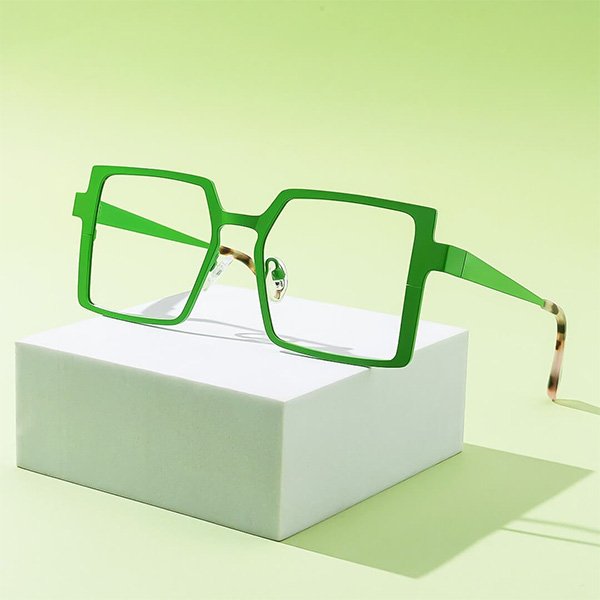
Sustainable fashion has moved far beyond clothing racks and into the accessories we wear every day, including our eyewear. Green glasses—frames crafted from eco-friendly materials or designed with environmental responsibility in mind—have become a compelling choice for consumers who want their style to reflect their values. But here’s the challenge many face: how do you find a pair that’s genuinely sustainable without sacrificing the casual, effortless look you’re going for? It’s not always easy to navigate the growing market of eco-conscious eyewear, especially when greenwashing and vague claims cloud the landscape. This guide breaks down everything you need to know about choosing the perfect green glasses for casual wear. From understanding sustainable materials and certifications to matching frame shapes with your face and integrating green tones into your everyday wardrobe, you’ll walk away with a clear, step-by-step approach. Making informed choices about the accessories you wear daily is one of the simplest ways to align your lifestyle with the planet’s well-being—and look great doing it.
The Rise of Green Eyewear: Why Sustainable Choices Matter
The eyewear industry produces an estimated 3.4 billion pairs of glasses annually, and the vast majority end up in landfills within a few years. Traditional frames rely heavily on petroleum-based plastics, virgin metals mined through environmentally destructive processes, and chemical coatings that leach toxins during production. This reality has fueled a significant shift toward green eyewear—a movement that’s no longer niche but increasingly mainstream. Eco-friendly glasses appeal to consumers who recognize that every purchase is a vote for the kind of world they want to live in. For those who prioritize sustainable living, choosing frames made from responsibly sourced or recycled materials feels like a natural extension of values they already practice in other areas of life. The casual wear context makes this choice even more relevant because everyday glasses get the most use, meaning their environmental footprint compounds over time. Beyond the ethical appeal, green eyewear brands often invest more in quality craftsmanship, resulting in frames that feel better, last longer, and carry a distinctive aesthetic that mass-produced alternatives simply can’t replicate. Choosing sustainable options for your daily pair isn’t just good for the planet—it’s a smarter investment in your personal style.
Understanding Eco-Friendly Materials in Green Glasses
Not all green glasses are created equal, and the materials used in their construction tell you everything about whether a brand’s sustainability claims hold up under scrutiny. The eyewear market now offers frames made from recycled plastics sourced from ocean waste and post-consumer bottles, bio-acetate derived from cotton fibers and wood pulp, and plant-based resins that decompose far more gracefully than their petroleum counterparts. Understanding these materials helps you make purchases that genuinely reduce environmental harm rather than simply carrying an eco-friendly label. The material choice also directly affects how your glasses perform in daily casual wear—durability, weight, flexibility, and skin sensitivity all depend on what your frames are made from. Some sustainable materials actually outperform traditional options in comfort and longevity, making them ideal for glasses you’ll reach for every morning.
Key Materials to Look For
Recycled metal frames, particularly those using reclaimed titanium or aluminum, offer exceptional strength-to-weight ratios while diverting industrial waste from landfills. Bio-acetate stands out as a top choice for casual frames because it’s derived from renewable resources, feels smooth against the skin, and comes in rich green tones that deepen beautifully over time. Biodegradable components—including castor oil-based hinges and natural rubber nose pads—ensure that even the smallest parts of your glasses won’t persist in the environment for centuries. Low-impact dyes made from plant extracts or mineral pigments produce vibrant greens without the toxic runoff associated with conventional coloring processes. For everyday casual use, look for frames that combine two or more of these materials, as hybrid construction often yields the best balance of environmental responsibility and practical durability. Wood and bamboo frames also deserve consideration, though they tend to suit specific aesthetic preferences and require slightly more careful handling.
Certifications and Standards for Sustainability
When a brand claims its glasses are sustainable, certifications provide the proof. FSC (Forest Stewardship Council) certification confirms that any wood or paper-based materials come from responsibly managed forests. OEKO-TEX Standard 100 verifies that materials have been tested for harmful substances, ensuring your frames are safe for prolonged skin contact during all-day casual wear. B Corp certification indicates that the entire company meets rigorous social and environmental performance standards, not just a single product line. To verify claims yourself, check whether brands publish transparency reports detailing their supply chains, carbon offsets, and material sourcing. Look for specific percentages—”made with 95% recycled content” carries far more weight than vague phrases like “eco-inspired.” Third-party verification from organizations like Cradle to Cradle or the Global Recycled Standard adds another layer of credibility. If a brand can’t point you toward any recognized certification, treat their sustainability messaging with healthy skepticism.
Style Guide: Choosing Trendy Green Glasses for Casual Wear
Finding green glasses that look effortlessly stylish in casual settings requires thinking beyond sustainability alone—you need frames that complement your features and work seamlessly with the relaxed wardrobe you already own. The good news is that green tones naturally pair with denim, earth-toned layers, neutral basics, and even bold prints, making them one of the most versatile color choices in eyewear. Current trends favor slightly oversized frames, translucent finishes, and mixed-material designs that blend metal temples with bio-acetate fronts. These styles signal intentionality without feeling overdone, which is exactly what casual wear demands. The key is selecting a frame that feels like a natural extension of your face rather than a statement piece competing for attention. When green glasses fit well and match your personal aesthetic, they become the kind of accessory people notice without quite being able to pinpoint why your look works so well together.
Matching Frame Shapes to Your Face
The classic principle of contrast still holds: angular frames soften round faces, while curved shapes add balance to sharper jawlines and prominent cheekbones. If you have an oval face, you’re working with the most flexible canvas—nearly any frame shape works, so choose based on the vibe you want, whether that’s intellectual round frames in forest green or relaxed rectangular shapes in sage. Square and heart-shaped faces benefit from rounded or cat-eye green frames that introduce curves without overwhelming your features. Round faces gain definition from wayfarers or geometric shapes in darker green tones like hunter or pine, which create visual structure. For casual wear specifically, avoid frames that feel too architectural or dramatic; instead, lean toward medium-sized shapes with gentle curves. A deep olive translucent frame in a soft rectangular shape works across nearly every face type and pairs naturally with weekend outfits. Try holding frames up to your face and asking whether they disappear into your look or dominate it—for everyday casual use, subtle integration beats bold contrast.
Color Tones and Skin Tone Compatibility
Green is remarkably diverse as a frame color, ranging from near-black forest shades to bright jade and everything between. Warm skin tones—those with golden, peachy, or olive undertones—come alive next to warm greens like olive, moss, khaki, and tortoiseshell-green blends. Cool skin tones with pink or blue undertones pair beautifully with emerald, teal, sage with blue undertones, and deep jewel-toned greens. If you’re unsure about your undertone, a muted sage or mid-tone green with balanced warm and cool properties works as a universally flattering starting point. Translucent green frames deserve special mention for casual wear because they soften the color’s impact, making the glasses feel lighter and more approachable regardless of skin tone. Darker complexions can carry bolder, more saturated greens without the frames overwhelming facial features, while lighter complexions often look best in muted or semi-transparent variations. Consider the colors you wear most frequently in your casual wardrobe—your green frames should complement those tones rather than clash with your go-to outfits.
Step-by-Step Guide to Selecting Your Perfect Green Glasses
Knowing about materials and styles is valuable, but the actual process of choosing green glasses for casual wear benefits from a structured approach. Too many shoppers browse aimlessly, get overwhelmed by options, and either settle for something that doesn’t quite work or abandon the search entirely. Following a deliberate sequence of steps ensures you end up with frames that satisfy your sustainability standards, fit your face comfortably, and integrate naturally into your daily wardrobe. This process respects both your time and your values.
Step 1: Assess Your Needs and Lifestyle
Before browsing a single frame, get clear on what you actually need from your green glasses. Start by considering how many hours per day you’ll wear them and in what contexts—commuting, working from home, running errands, socializing on weekends. This determines whether you need lightweight frames for extended wear or something sturdier for active days. Next, establish your budget with the understanding that sustainable eyewear often costs slightly more upfront but delivers better long-term value through durability and timeless design. Decide which sustainability priorities matter most to you personally: is it recycled content, biodegradability, carbon-neutral production, or ethical labor practices? Ranking these helps you make tradeoffs when no single pair checks every box. Finally, assess your current wardrobe’s color palette. Pull out the five outfits you wear most frequently on casual days and identify the dominant tones—this gives you a concrete reference point for choosing the right shade of green.
Step 2: Research Brands and Products
With your criteria defined, begin researching brands that specialize in or genuinely commit to sustainable eyewear production. Start with directories like the Good Shopping Guide or ethical fashion platforms that vet companies against environmental and social standards. Read brand sustainability pages critically—look for specific data points, named material suppliers, and published impact reports rather than generic language about “caring for the earth.” Customer reviews on independent platforms reveal real-world durability and comfort information that marketing materials won’t provide. Check whether brands offer detailed material breakdowns for each frame, and cross-reference any certifications they claim by visiting the certifying body’s database directly. Social media communities focused on sustainable fashion often share honest experiences with specific products, including how green frames hold up after months of daily casual wear. Retailers like EFE Glasses offer a wide selection of frame styles and colors that allow you to compare options side by side, which can be helpful when narrowing your shortlist of three to five options that meet your material standards, fall within budget, and offer styles complementary to your face shape and wardrobe.
Step 3: Evaluate Fit and Comfort
Sustainable credentials mean little if your glasses pinch behind your ears or slide down your nose every ten minutes. If possible, visit a retailer that carries your shortlisted brands and spend at least fifteen minutes wearing each pair—walk around, look at your phone, and simulate your typical casual activities. Pay attention to temple pressure, nose pad contact, and whether the frames sit level without adjustment. Many sustainable eyewear brands now offer virtual try-on tools that use your phone’s camera to simulate how frames look on your face, which helps narrow choices before committing. Check the frame’s weight by holding it in your palm; anything over 30 grams may cause discomfort during all-day casual wear. Ensure the frame width matches your face by confirming that your eyes sit centered within each lens opening and that the temples don’t press into your skull above the ears. Adjustable nose pads and flexible hinges add significant comfort for daily use, so prioritize frames that include these features in sustainable materials like recycled metal or plant-based components.
Step 4: Make the Final Decision
With fit confirmed and your options narrowed, weigh the remaining factors before purchasing. Verify material authenticity one final time by checking that the specific frame you’re buying—not just the brand generally—uses the sustainable materials you care about, since some companies offer mixed product lines. Confirm the return policy and warranty terms, as reputable sustainable brands typically stand behind their products with generous coverage that reflects confidence in their craftsmanship. Consider whether the brand offers repair services, replacement parts, or end-of-life recycling programs, which extend the frame’s useful life and reduce future waste. Evaluate whether the green shade you’ve chosen works across seasons and lighting conditions by viewing it in natural daylight if possible. Trust your gut on style alignment—if you feel self-conscious rather than confident when you look in the mirror, those aren’t the right frames regardless of their eco-credentials. The perfect green glasses for casual wear should feel invisible in the best sense: comfortable enough to forget you’re wearing them and stylish enough that others notice them for the right reasons.
Maintaining and Caring for Your Green Glasses
Owning sustainable eyewear comes with a responsibility to make those frames last as long as possible—proper care is itself an act of environmental stewardship. Clean your green glasses daily using lukewarm water and a mild, biodegradable soap rather than chemical-laden sprays that can degrade bio-acetate and plant-based coatings over time. Microfiber cloths made from recycled materials work perfectly for drying and polishing without scratching lenses or frames. Store your glasses in a hard case when not in use, ideally one made from recycled or natural materials, to prevent the accidental damage that sends countless pairs to landfills prematurely. Avoid leaving frames in hot cars or direct sunlight for extended periods, as heat warps bio-based materials more readily than conventional plastics. When hinges loosen or nose pads wear down, seek repair rather than replacement—many sustainable brands sell individual components and provide adjustment guides that extend your frames’ lifespan by years. If your glasses eventually reach the end of their useful life, explore the brand’s take-back program or donate them to organizations that redistribute eyewear to communities in need. Some bio-acetate frames can be composted under industrial conditions, while recycled metal components can re-enter the material stream. Treating your green glasses as a long-term companion rather than a disposable accessory amplifies their environmental benefit exponentially.
Aligning Style and Sustainability With Your Everyday Eyewear
Choosing the perfect green glasses for casual wear is a process that rewards thoughtfulness at every stage. The sustainability of your eyewear matters because daily-use accessories accumulate significant environmental impact over time, and the materials available today—from bio-acetate to recycled metals—prove that eco-responsibility no longer requires aesthetic compromise. Style considerations, including matching frame shapes to your face and selecting green tones that complement your skin’s undertones, ensure your glasses feel like a seamless part of your look rather than an afterthought. The step-by-step selection process—assessing your lifestyle needs, researching credible brands, evaluating fit, and confirming material authenticity—transforms what could be an overwhelming decision into a manageable, even enjoyable experience. When you invest in green glasses that genuinely align with your values, you carry a daily reminder that personal style and planetary health aren’t competing priorities. They reinforce each other. As more consumers demand transparency and quality from eyewear brands, the industry will continue evolving toward practices that benefit everyone. Your next pair of casual frames can be part of that momentum—a small, visible commitment to a more sustainable way of living that looks and feels exactly right.