Introduction to Homemade Fly Spray
Are pesky flies buzzing around your home driving you crazy? You’re not alone. Flies can be annoying and unhygienic, making it hard to enjoy your space. Instead of reaching for commercial sprays packed with chemicals, why not try a natural solution? Making homemade fly spray is simple, effective, and eco-friendly. With just a few ingredients from your kitchen or local store, you can create a potent mix that keeps those unwelcome guests at bay. Ready to reclaim your home from these winged intruders? Let’s dive into this step-by-step guide to making homemade fly spray for home!
Benefits of Using Homemade Fly Spray
Using homemade fly spray offers a range of benefits that appeal to eco-conscious individuals. One significant advantage is the control over ingredients. You can choose natural components, avoiding harmful chemicals often found in commercial products.
Another benefit is cost-effectiveness. Homemade solutions are typically cheaper than store-bought alternatives. A few simple ingredients can go a long way in keeping flies at bay without breaking the bank.
Safety for pets and children is another vital factor. Many commercial sprays contain toxic substances that may pose risks to your loved ones. By crafting your own mix, you ensure a safer environment for everyone at home.
Moreover, handmade fly sprays tend to be customizable. You can tweak the recipe based on personal preferences or specific insect problems you face around your house or garden. This flexibility allows for effective pest management tailored to individual needs.
Ingredients and Tools Needed for Homemade Fly Spray
Creating your own fly spray requires a few essential ingredients and tools. Fortunately, most of these items are easy to find around the house or at local stores.
Start with essential oils known for their insect-repelling properties. Peppermint oil, eucalyptus oil, and citronella are popular choices that not only smell pleasant but also effectively deter flies.
For the base of your spray, distilled water is ideal. It ensures longevity and purity in your mixture. You might also want vinegar if you’re looking for an additional repellent action.
Next, gather a clean spray bottle—preferably one with a fine mist setting for even application. Measuring cups will help you get precise amounts when mixing your ingredients.
Consider having a funnel on hand to make pouring easier without spilling any precious mixture. With these simple supplies ready, you’ll be well-equipped to tackle those pesky flies naturally!
Step 1: Diluting Essential Oils
Diluting essential oils is a crucial first step in creating your homemade fly spray. These potent oils can be too strong to use directly on surfaces or around people and pets.
Start by selecting your favorite essential oils known for repelling flies, such as eucalyptus, lavender, or peppermint. Each of these offers unique scents that are pleasant to humans but unappealing to insects.
Use a carrier oil like coconut oil or almond oil for dilution. A general rule of thumb is mixing about 10-15 drops of essential oil with two tablespoons of the carrier oil. This ratio ensures effectiveness while minimizing any potential irritation.
Mix thoroughly until you achieve a consistent blend. The diluted solution will not only make it safer but also enhance its ability to stick to surfaces when sprayed later on. Enjoy the process—it’s all part of crafting an effective natural remedy!
Step 2: Mixing the Solution
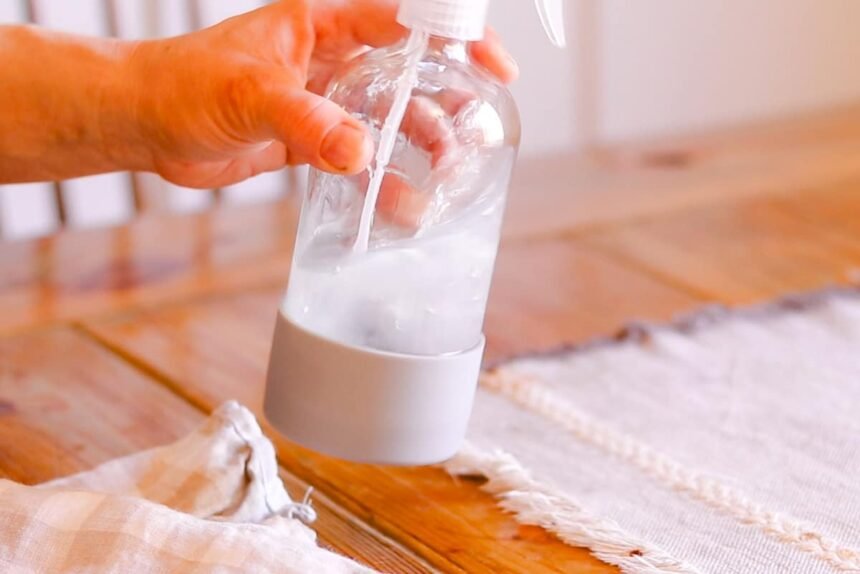
Once you’ve diluted your essential oils, it’s time to blend everything together. Grab a clean spray bottle, preferably one with a fine mist nozzle. This will help distribute the solution evenly.
Pour the diluted oils into the bottle first. Then add water to fill it up, leaving some space at the top for shaking later. If you’re opting for vinegar or witch hazel as additional ingredients, now is the best moment to introduce them into the mix.
Securely screw on the lid and give it a gentle shake. You want all components to combine well without creating too many bubbles. Take care not to overfill; you’ll need room for some final adjustments later.
The mixture should have an inviting scent while remaining potent enough to deter flies effectively!
Step 3: Adding Additional Ingredients
Once you’ve mixed your essential oils with water, it’s time to elevate the potency of your homemade fly spray. Consider adding a few drops of liquid soap. This not only helps emulsify the oils but also acts as a surfactant, making it stick better to surfaces.
Another effective ingredient is vinegar. Its strong scent repels flies and other insects while being an all-natural option for many households. Just a tablespoon or two should suffice.
For added fragrance and effectiveness, citrus peels can be infused into your mixture. Flies are less fond of citrus scents, giving you another layer of protection without harsh chemicals.
Don’t shy away from experimenting! A touch of witch hazel can also enhance the spray’s adherence to surfaces while providing additional insect-repelling properties. Mix until everything blends seamlessly before moving on to storage and usage tips.
Step 4: Storing and Using the Fly Spray
Once your fly spray is mixed and ready, proper storage is essential for maintaining its effectiveness. Use a clean glass or plastic spray bottle with a tight-fitting lid. Label the container clearly so you can easily identify it later.
Keep your homemade fly spray in a cool, dark place to prevent degradation of the ingredients. A cupboard away from sunlight works well. Shake the bottle gently before each use to ensure that all components are evenly distributed.
When using the spray, target areas where flies tend to gather, such as windowsills and doorways. Avoid spraying directly on food surfaces or plants unless you’re certain it’s safe.
Apply during peak activity times for maximum impact—early morning or late afternoon when flies are most active provides better results without overwhelming their senses right away.
Alternative Recipes and Variations
If you’re looking to switch things up, there are plenty of alternative recipes for homemade fly spray. For a more potent solution, consider using apple cider vinegar as a base. Mix it with water and add essential oils like peppermint or eucalyptus for an extra kick.
Another option is a soap-based spray. Combine liquid castile soap with water and your choice of essential oil. This not only deters flies but also helps eliminate them on contact.
For those who prefer herbal remedies, steeping herbs such as basil or rosemary in hot water can create an effective infusion. Once cooled, strain the mixture and add it to your spray bottle.
Experimenting with different combinations allows you to customize your fly repellent while keeping it natural and safe for home use. Don’t hesitate to try these variations until you find what works best for you!
Safety Precautions to Keep in Mind
When crafting your homemade fly spray, safety should be a top priority. Always wear gloves to protect your skin from irritation caused by essential oils and other ingredients.
Ensure you work in a well-ventilated space. Strong scents can cause headaches or respiratory issues if inhaled too deeply. Open windows or use fans to keep the air circulating.
Store all ingredients out of reach of children and pets. Even natural substances can be harmful if ingested in large quantities.
Label your spray bottle clearly, so others know what it contains. This helps prevent accidental misuse.
If you’re trying a new recipe, do a patch test on surfaces before widespread application. Some materials may react differently to essential oils.
Keep an eye out for any allergic reactions when using the spray for the first time. It’s best to err on the side of caution whenever experimenting with new mixtures.
Conclusion
Creating your own homemade fly spray can be a rewarding and effective way to keep your space free from unwanted pests. By using natural ingredients, you not only ensure the safety of your family and pets but also contribute to an eco-friendly approach in pest control.
With just a few simple steps, you can mix essential oils with water, vinegar, or other natural substances to create a solution that works for you. Remember to test any new recipe on small areas first before applying it widely.
Safety is always important when making homemade solutions. Be sure to store them properly and label containers clearly. Keeping track of what you’ve made will help avoid any mix-ups in the future.
Whether you’re looking for something basic or want to experiment with variations, there’s plenty of room for creativity in this process. Enjoy exploring different combinations until you find the perfect blend that suits your needs!
Using this step-by-step guide empowers you not only with knowledge but also gives you control over how you manage flies at home—safely and effectively!