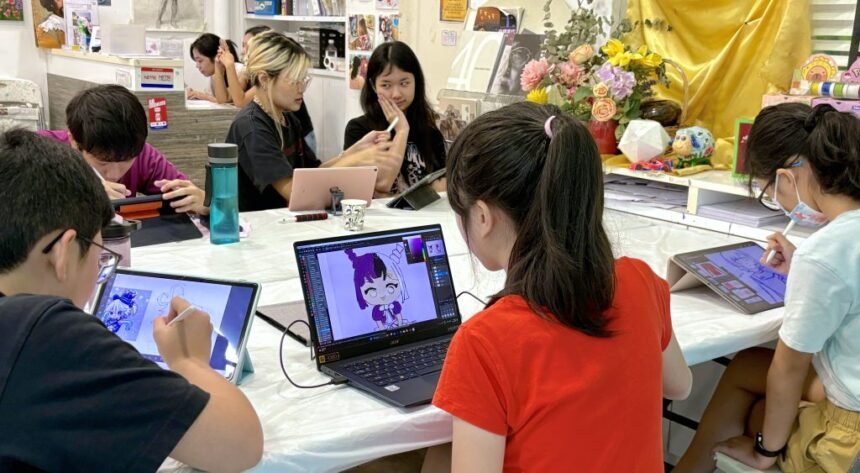
Digital art classes offer a compelling entry point into one of the most dynamic and rapidly evolving creative fields available today. Whether you are a beginner picking up a stylus for the first time or someone with a traditional art background looking to expand your skill set, a structured course can provide the foundational knowledge and technical proficiency you need to move forward with confidence. These classes cover a wide range of tools, techniques, and concepts that prepare students for both personal projects and professional creative work. Understanding what to expect from a digital art class can help you decide whether this type of learning environment genuinely aligns with your goals.
Core Software and Tool Familiarization
One of the first things you encounter in a digital art class is a hands-on introduction to industry-standard software programs and hardware tools. Programs such as Adobe Photoshop, Illustrator, Procreate, and Clip Studio Paint are commonly taught across beginner and intermediate courses. You learn how to navigate interfaces, organize layers, use selection tools, and manage file formats for different output purposes. Instructors typically introduce graphic tablets and stylus pens as well, since these allow for more precise and natural drawing input than a standard mouse ever could. Understanding how these tools work together gives you a strong technical base from which all other skills are built.
Fundamental Design Principles
Even in a digital setting, the foundational principles of traditional art and design remain highly relevant and form a central part of most curricula. You study concepts such as color theory, composition, contrast, balance, and visual hierarchy — all of which shape how effectively artwork communicates with its audience. Instructors guide you through how these principles translate into the digital medium, including how color modes like RGB and CMYK affect the way your work appears on screen versus in print. You also explore line work, shading techniques, and how to create depth and dimension using digital brushes and blending tools. These principles serve as the underlying language of visual communication, regardless of the medium or style you ultimately pursue.
Illustration and Image Creation Techniques
A significant portion of a digital art class focuses on the actual process of creating original artwork from initial concept to finished piece. You practice sketching digitally, refining line art, and applying color in ways that replicate or intentionally diverge from traditional media such as watercolor, gouache, or oil painting. Character design, environmental illustration, and concept art are common project types that challenge you to apply both technical skills and creative thinking at the same time. Many instructors also teach students how to use reference images responsibly and ethically, which is an important professional standard across the industry. As you work through different project types, you build a portfolio that demonstrates your growth and range as a digital artist. Students enrolled in an art boarding school often incorporate digital art into a broader fine arts curriculum, giving them the opportunity to develop these skills alongside other creative disciplines in an immersive, professionally guided environment.
Photo Editing and Manipulation
Beyond original illustration, digital art classes frequently cover photo editing and image manipulation as a distinct but closely related skill set. You learn how to retouch photographs, adjust lighting and color balance, remove or add elements, and composite multiple images into a single cohesive piece. These skills have direct applications in graphic design, advertising, editorial work, and social media content creation. Instructors often assign projects that require you to solve visual problems using editing techniques, which sharpens your understanding of the difference between correcting an image and using manipulation as a deliberate artistic choice. Developing a solid grasp of photo editing broadens your capabilities and makes you a more versatile creative professional overall.
Digital Art in Professional Contexts
Understanding how digital art functions within various professional industries is another dimension that well-rounded courses take time to address. You explore how digital artists contribute to fields such as game design, animation, film production, UX and UI design, and brand identity development. Instructors may introduce you to industry workflows, client communication concepts , and the importance of file organization and version control. You also gain awareness of copyright considerations, licensing, and the ethical use of digital tools and assets. This broader professional context helps you understand not just how to make digital art, but how to apply it meaningfully within a real creative career.
Conclusion
A digital art class equips you with a layered combination of technical knowledge, artistic understanding, and professional awareness that extends well beyond simply learning to draw on a screen. You come away with software proficiency, a working knowledge of design principles, and a portfolio of projects that reflect your developing voice as an artist. The skills you build in these classes are applicable across a wide range of creative industries, making digital art education a genuinely valuable investment for anyone interested in visual communication. Whether you pursue digital art as a career path or as a complement to other creative interests, formal instruction provides the structure and mentorship needed to grow with intention and purpose.