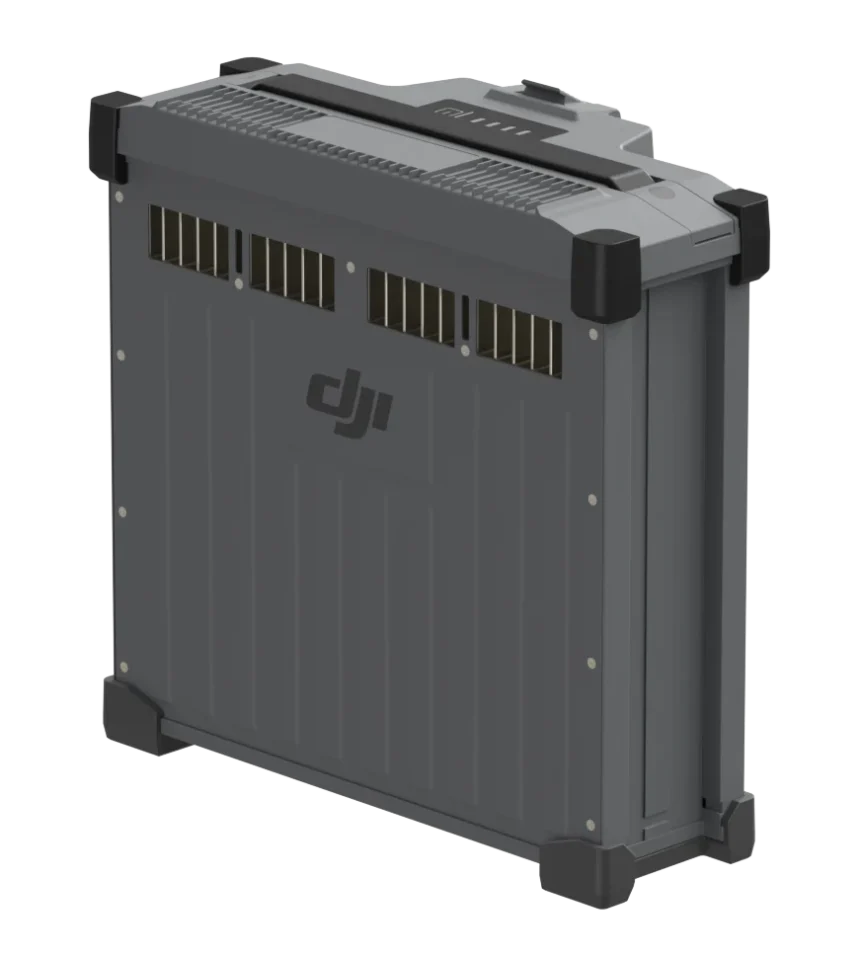
Battery failures rank among the most common yet entirely preventable headaches in private aircraft operations. If you’re a pilot or aircraft owner, you already know that dependable electrical systems aren’t just convenient, they’re essential for safe flight operations, powering everything from engine starts to critical avionics and navigation equipment. When batteries fail without warning, you’re looking at consequences that range from frustrating ground delays to potentially hazardous situations once you’re airborne. The good news? Understanding what causes batteries to fail and putting proper maintenance protocols into practice can dramatically extend battery life while boosting your aircraft’s overall safety and reliability. When you take a proactive stance on battery care, you’re actively minimizing electrical system failure risks and keeping your aircraft airworthy and dependable for every single flight.
Understanding Aircraft Battery Types and Their Vulnerabilities
Modern private aircraft typically run on either lead-acid or lithium-ion batteries, and each type brings its own set of characteristics and potential failure points. Lead-acid batteries, including both flooded and sealed varieties, have served the aviation world reliably for decades, but they’re still vulnerable to sulfation, plate degradation, and electrolyte problems when maintenance falls by the wayside. These workhorses perform best when you keep them fully charged, and they can suffer permanent damage from deep discharge cycles or sitting around in discharged states for too long. Lithium-ion batteries deliver superior power-to-weight ratios and longer service lives, but they need sophisticated battery management systems to ward off overcharging, thermal runaway, and cell imbalances.
Regular Inspection and Testing Protocols
Setting up a consistent inspection schedule forms the bedrock of effective battery failure prevention. Before each flight, you should run through visual inspections, checking for corrosion on terminals, cracks in battery cases, loose connections, and any signs of electrolyte leakage that might signal internal damage lurking beneath the surface. Monthly voltage tests using a quality digital multimeter give you baseline data about battery health, and readings that fall significantly below manufacturer specifications are red flags demanding immediate attention. Load testing, typically performed quarterly or according to manufacturer recommendations, evaluates whether your battery can actually deliver adequate current under realistic operational demands, revealing capacity degradation before it causes problems mid-flight.
Proper Charging Practices and Equipment Maintenance
Keeping optimal charge levels between flights stands out as one of the most critical factors in preventing premature battery failure. When your aircraft sits parked for extended periods, professionals who need to maintain battery health in high-performance aircraft rely on a cirrus sr22 battery charger to counter the natural self-discharge that happens even when systems aren’t in use. Overcharging creates risks just as serious as undercharging, potentially causing excessive gassing, electrolyte loss, and accelerated plate corrosion in lead-acid batteries, or thermal issues in lithium-ion systems. Using charging equipment specifically designed for aviation applications ensures voltage regulation stays within safe parameters and prevents the voltage spikes that can wreak havoc on sensitive avionics connected to your electrical system. Temperature compensation features in quality charging systems automatically adjust charging voltages based on ambient conditions, optimizing the charging process whether you’re dealing with summer heat or winter cold. Don’t forget about regular inspection and maintenance of the charging equipment itself, checking cable integrity and keeping connections clean prevents equipment failures that could lead to improper charging cycles down the line.
Environmental Factors and Storage Considerations
Environmental conditions play a huge role in battery longevity and failure rates in private aircraft operations. Extreme temperatures accelerate the chemical reactions happening inside batteries, with high heat ramping up self-discharge rates and causing permanent capacity loss, while freezing conditions can crack cases and slash available power right when you need it most. Humidity and moisture exposure promote corrosion on terminals and connections, creating electrical resistance that forces batteries to work harder and generates additional heat during operation. When you’re storing your aircraft for extended periods, consider removing batteries and stashing them in climate-controlled environments whenever possible, keeping them on appropriate maintenance chargers to prevent deep discharge.
Recognizing Warning Signs and Implementing Preventive Measures
Catching battery problems early lets you address issues before they morph into complete failures or safety concerns. Slow engine cranking, dimming lights during startup, difficulty maintaining electrical loads, or voltage fluctuations showing up on cockpit instruments all point to developing battery problems that need immediate investigation. Unusual odors, particularly the smell of sulfur or rotten eggs, suggest dangerous gassing or overcharging conditions that demand urgent attention to prevent potential fire hazards. According to the Federal Aviation Administration, proper battery maintenance significantly reduces the likelihood of electrical system failures during flight operations.
Conclusion
Preventing battery failures in private aircraft isn’t about following a single rule, it requires a multifaceted approach that weaves together regular inspections, proper charging practices, environmental awareness, and proactive replacement strategies. Your commitment to comprehensive battery maintenance translates directly into enhanced safety, improved reliability, and reduced operational costs over the long haul. When you understand the specific vulnerabilities of your aircraft’s battery system and put these preventive measures into action, you’re significantly cutting down the likelihood of unexpected electrical failures. The relatively modest investment in proper battery care and quality maintenance equipment pays substantial dividends through extended battery life and genuine peace of mind during every flight. Making battery health a priority in your aircraft maintenance program ensures that electrical systems stay dependable when you need them most, supporting safe and enjoyable flying experiences for years to come.