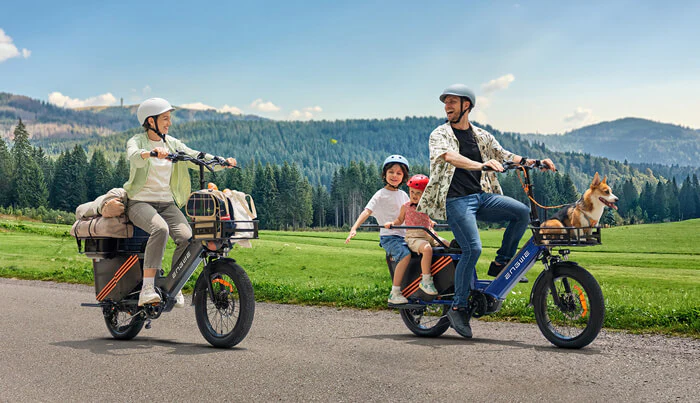
Family cycling has never been more exciting. Over the past few years, electric cargo bikes — known in German as lastenrad elektro — have transformed how families move through cities, suburbs, and countryside trails alike. What once required a car can now be handled with a quiet, efficient, and genuinely fun ride that the whole family can enjoy together.
But long family trips on a cargo bike come with real challenges. Uncomfortable saddles turn a pleasant afternoon into an ordeal. Poorly organized storage means groceries shift mid-ride, children feel cramped, and essential gear gets left behind. Without the right setup, even the best electric cargo bike can feel frustrating rather than freeing.
This article cuts through the guesswork. Whether you’re planning a weekend market run or a full-day adventure with kids in tow, you’ll find practical, actionable guidance for getting the most out of your electric cargo bike. From choosing the right saddle and installing an EPP cargo box to understanding which bike features matter most on longer journeys, every section is designed to help your family ride farther, safer, and more comfortably. Let’s get your lastenrad elektro truly ready for the road.
Understanding the Electric Cargo Bike (Lastenrad Elektro) for Family Use
Electric cargo bikes have earned their place as genuine family vehicles, and for good reason. Unlike standard bicycles, they’re engineered from the ground up to handle weight, movement, and the unpredictability that comes with carrying children and gear. A wide, low-slung frame keeps the center of gravity close to the ground, delivering the kind of stability that parents genuinely rely on when navigating busy streets or uneven paths. Add a pedal-assist motor into the mix, and hills that would otherwise exhaust a rider become manageable — even with two kids and a week’s worth of groceries on board.
Cargo capacity varies meaningfully across models. Long-tail designs extend the rear rack to accommodate child seats and panniers, making them a natural fit for families who need flexibility. Front-loading box bikes, on the other hand, place children or cargo ahead of the rider in an open or enclosed cargo bay, offering excellent visibility and a more interactive ride for young passengers. Mid-tail models split the difference, offering a compact footprint without sacrificing hauling ability.
What unites all these designs is the electric drivetrain, which transforms what might feel like a demanding physical task into something genuinely enjoyable. Motors typically provide assistance up to a set speed, smoothing out effort across the entire ride. Brands like TARRAN have built their e-bike lineups around exactly this principle — pairing capable motors with family-oriented frame geometry to make longer rides feel accessible rather than ambitious. Before diving into accessories and adjustments, understanding your specific model’s strengths — its load limits, motor output, and frame geometry — gives you the foundation needed to optimize everything that comes next.
Maximizing Saddle Comfort for Long Rides
Comfort starts where you sit. On a short errand, an ill-fitting saddle is an annoyance. On a two-hour family trip, it becomes the reason you cut the ride short and leave the bike in the garage for a week. Getting saddle comfort right is one of the highest-return investments you can make in your electric cargo bike setup, and it applies not just to the primary rider but to every family member who regularly climbs aboard.
Choosing the Right Saddle: Materials and Fit
Saddle selection comes down to three factors: shape, material, and fit. Wider saddles suit upright riding positions — common on cargo bikes — because they support the sit bones more directly. Gel saddles absorb road vibration well and work particularly well for occasional riders who aren’t yet conditioned to long distances. Padded foam saddles offer a firmer feel that many regular cyclists prefer, as they resist compression over time and maintain consistent support throughout a ride. To measure for proper fit, sit on a piece of cardboard and measure the distance between the two pressure points left behind — that’s your sit bone width, and your saddle should be at least that wide. Once installed, adjust saddle height so your leg reaches near-full extension at the bottom of each pedal stroke, and tilt the nose very slightly downward to relieve pressure on sensitive areas during longer efforts.
Additional Comfort Enhancements
Beyond the saddle itself, a suspension seatpost is one of the most effective upgrades for cargo bike riders. It absorbs bumps independently of the frame, making a noticeable difference on cobblestones or gravel paths. Neoprene or sheepskin saddle covers add a layer of cushioning without requiring a full saddle swap — useful when multiple riders share the bike and have different preferences. For child seats mounted on the rear rack or integrated into a cargo bay, look for padded inserts and adjustable harness systems that distribute pressure evenly. Children shift around constantly during rides, so seat padding that stays in place under movement matters more than sheer thickness. Taken together, these additions turn a standard setup into one that genuinely supports the whole family across hours of riding.
Essential Bike Accessories for Safe and Convenient Family Trips
Even the most capable electric cargo bike benefits from the right accessories. Long family trips introduce variables that short errands don’t — changing weather, heavier loads, restless children, and the need to keep everything secure while maintaining full control of the bike. The accessories you choose don’t just add convenience; they directly affect how safe and enjoyable the entire experience feels for everyone involved.
The EPP Cargo Box: A Game-Changer for Storage
Expanded polypropylene cargo boxes have become one of the most practical additions to any family cargo bike setup. EPP is a lightweight, impact-resistant foam material that handles rough handling without cracking or deforming, and its closed-cell structure naturally resists moisture — meaning groceries, packed lunches, and spare clothing stay dry even when the weather turns. Unlike open panniers or fabric bags, a rigid EPP box keeps contents organized and prevents shifting during cornering or sudden stops, which matters considerably when you’re also managing children on board. Installation typically involves a mounting plate that attaches to the rear rack or front cargo bay floor; most systems use tool-free clips or bolt-on brackets that allow quick removal when you need the full cargo space for other purposes. For best results, distribute weight evenly within the box and keep heavier items low and centered to preserve the bike’s handling balance.
Other Must-Have Bike Accessories
Beyond storage, a focused set of accessories rounds out a family-ready setup. Certified child seats — either rack-mounted rear seats or integrated front seats designed for cargo frames — should meet regional safety standards and include adjustable harnesses with shoulder and crotch straps. Rain covers for both cargo areas and child seats are worth keeping permanently attached, since weather rarely announces itself. A high-quality lock, ideally a combination of a frame lock and a separate chain or folding lock, protects your investment during stops. For visibility, front and rear lights rated for road use are non-negotiable on longer trips that might extend into lower-light conditions, and a handlebar-mounted mirror significantly reduces the need to turn and check on rear passengers while riding. Each of these additions addresses a specific vulnerability on long family rides, and together they create a setup that handles the unexpected without interrupting the journey.
Key Cargo Bike Features to Enhance Long-Trip Performance
Knowing which bike features genuinely matter on longer journeys separates a frustrating ride from a reliable one. Battery range sits at the top of that list. Most quality electric cargo bikes offer sufficient range for a full day of family riding, but that figure drops meaningfully under real-world conditions — extra passenger weight, consistent hills, and cold temperatures all reduce effective range. Checking your battery level before departure and identifying charging points along longer routes removes the anxiety of running out of assist mid-trip.
Gearing deserves equal attention. A wide gear range allows the motor and rider to work efficiently across varied terrain, preventing the drivetrain from straining on steep inclines even when carrying a full load. Internally geared hubs are particularly well-suited to cargo bikes because they require minimal maintenance and shift reliably under load — a meaningful advantage when you’re managing children and can’t always time gear changes perfectly.
Braking performance becomes critical as cargo weight increases. Hydraulic disc brakes deliver consistent stopping power regardless of weather conditions and require less hand force than mechanical alternatives, which matters on long descents with a loaded bike. Frame geometry also plays a direct role in ride quality — a longer wheelbase improves straight-line stability, while a lower bottom bracket keeps the center of gravity manageable when cornering. Understanding how these features interact on your specific model allows you to ride with greater confidence and make smarter decisions about routes, loads, and pacing on every family trip.
Step-by-Step Guide to Optimizing Your Electric Cargo Bike
Turning a capable electric cargo bike into a genuinely trip-ready family vehicle doesn’t require overhauling everything at once. Working through a structured process ensures you address the right priorities in the right order, and that every change you make actually improves the experience rather than adding complexity.
Start by assessing your current setup against your family’s specific needs. Ride the bike as it is, note where discomfort appears, what cargo you regularly carry, and which situations feel uncertain or unsafe. A family with two young children and weekly grocery runs has different priorities than one planning occasional day trips on mixed terrain. That honest inventory shapes every decision that follows.
Next, prioritize comfort upgrades. Adjust saddle height first — it’s free and immediately impactful. If the saddle itself causes discomfort after thirty minutes, replace it before adding anything else. Install a suspension seatpost if your regular routes include rough surfaces, and fit child seat padding if young passengers are joining you. Comfort problems compound over distance, so resolving them early prevents them from defining the whole trip.
Then move to accessories. Install your EPP cargo box and test it loaded before a long trip — check that weight sits centered and low, and that the mounting system holds firmly over bumps. Add lights, a mirror, and rain covers if they aren’t already in place. Confirm child seat harnesses adjust correctly for each passenger.
With hardware sorted, test your motor assist settings on a loaded ride. Many systems offer multiple assist levels; find the setting that balances range with effort on your typical terrain. Finally, run a pre-trip safety check before every long outing: tire pressure, brake response, battery charge, and a quick tug on all mounting points. Five minutes of preparation consistently prevents avoidable problems mid-journey.
Your Family Rides Start Here
Optimizing your electric cargo bike for long family trips comes down to three interconnected priorities: comfort, accessories, and understanding what your bike can actually do. A properly fitted saddle — supported by a suspension seatpost and appropriate child seat padding — prevents the small discomforts that quietly derail longer rides. The right accessories, from a weatherproof EPP cargo box to certified child seats and reliable lighting, address the practical realities of carrying family members and gear across varied conditions. And a clear grasp of your bike’s battery range, gearing, and braking capability means you can plan routes and manage loads with genuine confidence rather than guesswork.
None of these changes need to happen all at once. Work through the step-by-step process outlined here — assess, adjust for comfort, add the right accessories, test your setup loaded, and run a quick pre-trip check — and each outing will feel more natural than the last. Small, deliberate improvements compound quickly into a setup that your whole family actually looks forward to using.
Your lastenrad elektro is already a capable machine. With the right optimizations in place, it becomes something better: a reliable, comfortable, and genuinely enjoyable way to share the road with the people who matter most. Start with one change today, and let the rides speak for themselves.