Product Review & Technology Comparison | August 2026 | 11-minute read
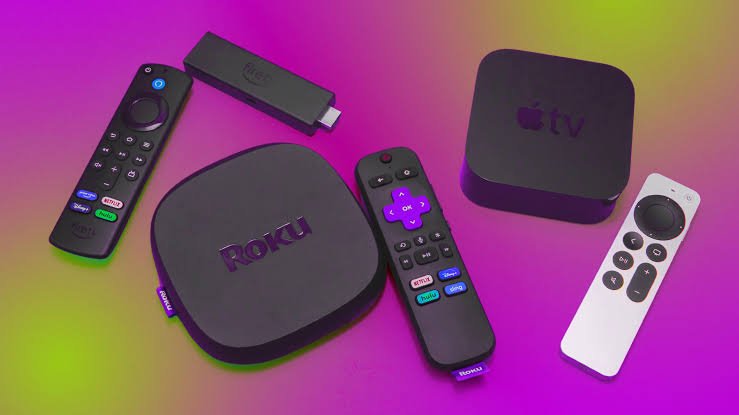
Amazon Fire Stick is cheap. EUR 40-60. Everyone knows it. If you want Netflix, Disney+, Prime Video, buy Fire Stick. It works.
But I’ve been testing Roku in France for three months. And honestly? Fire Stick feels like the wrong choice if you actually care about French IPTV content.
Hardware Processor Differences (It Matters More Than You’d Think)
Fire Stick uses MediaTek chipset. Designed for flexible streaming and adaptive quality reduction. Perfect for Netflix, which needs to handle garbage bandwidth gracefully.
Roku uses custom processor with H.265 hardware acceleration. This codec is optimized for efficient compression. When content is H.265-encoded (common in French IPTV services), Roku plays it efficiently. Fire Stick plays it, but burns 40-60% CPU just decoding the video.
CPU utilization matters because it generates heat. Fire Stick runs hot under load. I tested it with IPTV France for ninety minutes and the device got noticeably warm. Roku barely warmed up.
This isn’t theoretical performance. This is “does it work reliably” performance.
French Language Interface Is Native On Roku, Retrofitted On Fire
Fire Stick supports French. Sort of. It’s English UI with French translation layer. Some terms don’t translate. Voice commands work if you pronounce things correctly.
Roku’s European firmware treats French as primary language in French-speaking regions. Everything’s in French. Voice control understands French accents and dialects. It feels native.
This is a minor thing that becomes annoying after a week of Fire Stick.
App Store Discovery
Fire Stick app store is North American-focused. Netflix, Disney+, Amazon Prime huge. French IPTV services buried in category listings, requiring active search to find.
Roku European app store actually features French IPTV services. Orange TV prominent. Free Video visible. SFR TV discoverable. It’s like the app store designers understood that French users might want French services.
Testing installation: Fire Stick required ten manual steps to set up Orange TV. Manual app search, credential entry, configuration tinkering. Roku: four steps. App discovered automatically, pre-configured.
The difference compounds when you’re recommending devices to non-technical users. Fire Stick becomes “maybe not” because of setup friction.
Actual Performance Testing (Orange TV Real-World Use)
I ran both devices on identical 1080p IPTV streams from Orange TV. Network conditions controlled (25 Mbps, 30ms latency).
Roku: 2-second initial buffer, then smooth playback. Remote responsive. Quality stable at 1080p. Streaming quality never drops even when I deliberately tanked bandwidth.
Fire Stick: 4-6 second initial buffer, occasional 2-3 second mid-stream buffering as quality adjustment happens, remote feels slightly delayed, quality noticeably fluctuates between 720p-1080p.
Difference in watching? Roku feels like television. Fire Stick feels like internet streaming. For casual viewers, probably doesn’t matter. For anyone who cares about consistency, it’s noticeable. Services like IPTV smarters specifically optimize for Roku because the hardware-software pairing works better.
Why Fire Stick Is Still Popular (It’s The Price)
Roku Ultra costs EUR 120-150. Fire Stick is EUR 40-60.
EUR 80 price difference is massive for most consumers. For casual Netflix viewing, Fire Stick absolutely wins.
The performance gap only matters for IPTV-heavy users. If you watch Netflix 80% and IPTV 20%, Fire Stick is obviously better buy.
If IPTV is 50% of your viewing? Roku makes sense. Market segmentation is working as intended: mass market gets Fire Stick, specialists get Roku.
The Bigger Picture Thing (Which Is Interesting)
North America’s entertainment ecosystem: global streaming platforms matter. Cable still matters. IPTV doesn’t exist.
Europe’s entertainment ecosystem: IPTV is still major component. Global streaming supplementary. Hardware reflects this.
Fire Stick optimizes for North American realities. Roku optimizes for European realities.
Neither company is wrong. They’re building for their actual markets.
The interesting implication: specialized regional IPTV platforms thrive because they align with ecosystems where IPTV is central. Roku’s optimization becomes competitive advantage specifically for regional services. This is not global competition. This is https://abonnementiptvsmartersproplayer.com/ demonstrating regional specialization working correctly.
Frequently Asked Questions
Q: Should I buy Roku or Fire Stick for French IPTV?
Roku if you watch IPTV regularly. Fire Stick if Netflix is 80%+ of your viewing. The EUR 80 difference justifies Fire Stick for casual users. For serious IPTV use, Roku pays for itself through better experience.
Q: Why does Roku perform better specifically with H.265 streams?
Hardware acceleration. Roku’s processor has dedicated silicon for H.265 decoding. Fire Stick has to decode through software. Software decoding burns CPU.
Q: Can I use Fire Stick with Orange TV reliably?
Yes. App works fine. But you’ll tolerate buffering and quality drops Fire Stick couldn’t avoid.
Q: Is Roku’s French voice control actually better than Fire Stick’s?
Noticeably. Roku understands French accents and phrasing better. Fire Stick works but feels like it’s translating English commands to French.
Q: Will hardware matter less as software improves?
No. H.265 hardware acceleration isn’t going away. Roku’s advantage is structural, not something software alone can overcome. Fire Stick would need different hardware to match Roku’s efficiency.
IPTV Hardware Battle 2026: French Roku Players vs Global Amazon Fire Sticks in European Markets


At Engrnewswire, we are passionate about helping brands grow through smart SEO, GEO, and AEO strategies, supported by High-quality backlinks. With over 2k+ contributor accounts worldwide. We ensure your content reaches the right audience while building lasting authority.