The lounge is often the heart of a home, a place where you unwind after a long day or gather with friends and family. But have you ever stopped to think about how important its size really is? The average lounge size can significantly impact your comfort, style, and functionality. Whether you’re dreaming of an expansive space for entertaining guests or working with cozy square footage, understanding lounge dimensions can transform your living experience. Let’s dive into what makes the perfect lounge size and how it influences design choices and lifestyle needs!
Defining Lounge Size
Lounge size refers to the dimensions of a living area designated for relaxation and socializing. It can vary widely based on architectural styles, regional preferences, and personal needs.
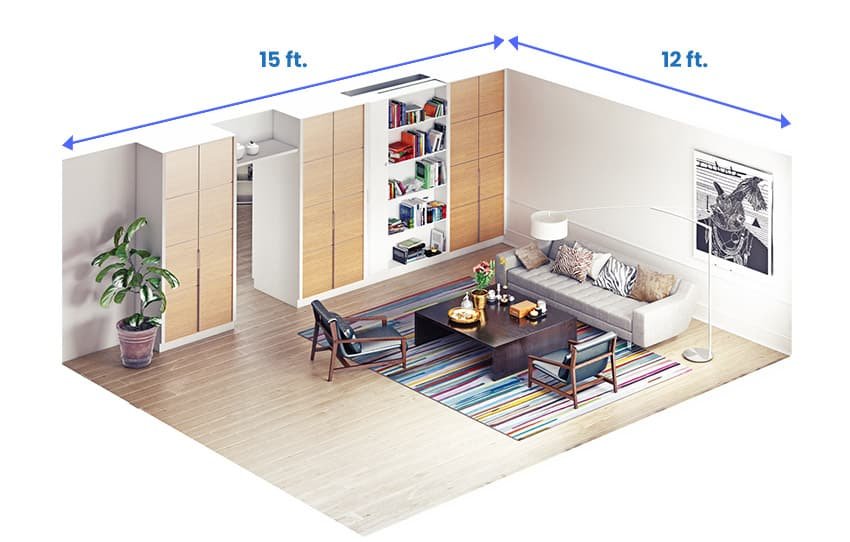
Typically measured in square feet or meters, lounge size encompasses length and width. A spacious lounge creates an inviting atmosphere, while smaller spaces require clever design strategies.
It’s important to distinguish between different types of lounges as well. Some may be combined with dining areas or open-plan layouts, influencing how space is perceived and utilized.
Defining lounge size revolves around understanding both the physical measurements and how they shape your daily life experience.
Benefits of Having a Spacious Lounge
A spacious lounge transforms the atmosphere of your home. It creates a welcoming environment where family and friends can gather comfortably. Imagine hosting game nights or movie marathons without feeling cramped.
Having more space encourages creativity in interior design. You can experiment with furniture arrangements, artwork, and decor without limitations. A larger area allows for versatile layouts that cater to different occasions.
Breathable spaces contribute to better mental health too. With room to breathe, you feel less stressed and more relaxed after a long day. Natural light flows freely, enhancing your mood further.
Moreover, a spacious lounge is ideal for multifunctionality. Whether you need an office nook or a play area for kids, having ample space offers endless possibilities tailored to your lifestyle needs.
Factors to Consider When Determining Lounge Size
When determining lounge size, consider the number of occupants. Think about how many people typically gather in your space. This helps create an environment that feels comfortable and inviting.
Next, assess the purpose of the lounge. Will it be a casual hangout spot or a formal entertainment area? Each function may require different dimensions to accommodate furniture and movement.
Don’t forget about existing layouts. Take note of doors, windows, and pathways to ensure flow is maintained within the space. A well-placed couch can enhance both aesthetics and usability.
Factor in personal style preferences. Different styles demand varying amounts of open space around furniture pieces for visual appeal. Balancing these elements will guide you toward finding the perfect lounge size tailored just for you.
Average Lounge Sizes in Different Countries
Lounge sizes vary significantly across the globe, influenced by cultural preferences and living conditions. In the United States, for instance, a typical lounge averages around 200 to 300 square feet. This spaciousness reflects a lifestyle that often prioritizes open-plan designs.
Moving over to Europe, lounges tend to be smaller. In countries like Germany and France, average sizes hover between 150 to 250 square feet. Here, efficient use of space is key due to urban living constraints.
In contrast, Asian nations such as Japan present an entirely different picture. Lounges might measure just 100 to 150 square feet on average. Minimalism reigns supreme in Japanese homes where every inch counts.
These variations highlight how local customs and housing styles shape our perceptions of space and comfort within lounges worldwide.
How to Maximize Space in a Small Lounge
To make the most of a small lounge, consider multifunctional furniture. A sofa bed or ottoman with storage can do wonders. They provide extra seating and hidden space for blankets or games.
Next, think vertical. Use wall shelves to keep items off the floor while adding character. Plants can hang from hooks, drawing eyes upward and creating an illusion of height.
Light colors work magic in compact spaces. Soft pastels or whites reflect light, making the room feel larger and more open. Consider mirrors too; they bounce light around and create depth.
Zone your lounge cleverly by using rugs to define areas without walls. This technique separates lounging from entertainment zones seamlessly.
Declutter regularly. Keep only what you love on display and store away less-used items to maintain a serene atmosphere that feels spacious rather than cramped.
Creative Design Ideas for Small Lounges
Small lounges can be transformed into stylish retreats with the right design choices. Start by opting for light colors on walls and furniture. Light hues create an illusion of space, making the room feel larger.
Consider multifunctional furniture. A coffee table that doubles as storage or a sofa bed can maximize utility without sacrificing style. Look for pieces that fit snugly against walls to free up floor area.
Mirrors are your best friend in small spaces. They reflect light and views, enhancing depth and openness. Strategically placing a large mirror can instantly brighten the atmosphere.
Incorporate vertical elements like tall shelves or wall-mounted decor to draw the eye upwards, creating an airy feel. Add plants for a fresh touch; they not only beautify but also purify the air, adding life to your cozy nook.
Keep clutter at bay with smart organization solutions like baskets or hidden compartments—your lounge will remain inviting and functional!
Conclusion
When considering the average lounge size, it’s essential to recognize how this space profoundly impacts our daily lives. A well-sized lounge fosters relaxation and connection among family and friends. Whether you have a spacious area or a cozy nook, understanding your specific needs allows you to design an inviting environment.
Remember that while averages can guide us, personal preference plays a critical role in determining what feels right for your home. Embrace creativity when working with any size lounge; clever design choices can transform even the smallest spaces into functional havens.
By maximizing space and applying innovative ideas, smaller lounges can feel just as comfortable as their larger counterparts. Prioritize comfort and style over strict measurements. Your lounge is ultimately your sanctuary—make it uniquely yours!