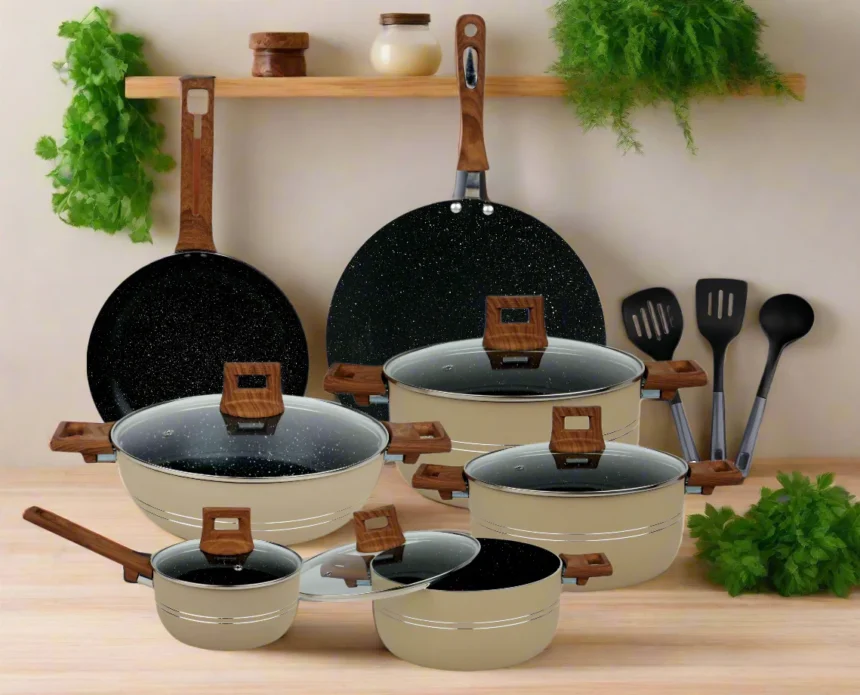
Moving into a new home is one of life’s most thrilling milestones. You walk through empty rooms imagining dinner parties, weeknight meals, and lazy Sunday brunches. Then reality hits—you open those bare kitchen cabinets and realize everything needs to be chosen from scratch. Among the dozens of decisions facing new homeowners, selecting cookware that actually lasts ranks surprisingly high on the frustration scale. Too often, people grab whatever looks appealing on the shelf, only to find warped pans and peeling surfaces within months. This is where ceramic coated cookware enters the picture as a modern, dependable solution designed for everyday cooking without the headaches of constant replacement. Its combination of non-stick performance, safety-conscious materials, and impressive longevity makes it particularly well-suited for anyone building a kitchen from the ground up. Making an informed choice now means fewer replacements later and more confidence every time you turn on the stove. This guide will walk you through everything you need to know—from understanding what makes ceramic coated cookware stand out, to selecting the right pieces, evaluating durability, and shopping with confidence for high-quality products that serve you well for years to come.
Why Ceramic Coated Cookware is a Kitchen Essential for New Homeowners
When you’re stocking a kitchen for the first time, every purchase needs to earn its place in your cabinets. Ceramic coated cookware has rapidly become one of those kitchen essentials that delivers on multiple fronts simultaneously. Unlike traditional non-stick pans that rely on synthetic polymer coatings, ceramic coated options use an inorganic, sand-derived mineral layer that provides naturally slick cooking surfaces. This means your eggs slide off effortlessly, sauces don’t cement themselves to the bottom, and cleanup often requires nothing more than a quick wipe with a soapy sponge.
From a health perspective, ceramic coatings are free of PFOA, PTFE, lead, and cadmium—chemicals that have raised concerns among health-conscious cooks for years. You can sear, sauté, and simmer without worrying about toxic fumes if the pan accidentally overheats. For new homeowners who are still mastering temperature control on an unfamiliar stove, that safety margin matters enormously.
Cooking efficiency improves as well. Ceramic coated cookware typically heats evenly across its surface, reducing hot spots that burn food in one area while leaving another undercooked. Compared to conventional non-stick pans that often degrade within a year of regular use, quality ceramic coated cookware maintains its release properties significantly longer when properly cared for. This durability translates directly into fewer trips back to the store and more money available for other aspects of settling into your new home. For anyone building a functional kitchen that performs day after day, ceramic coated cookware represents a practical investment rather than a temporary fix.
Key Features That Make It Durable and Long-Lasting
The resilience of ceramic coated cookware starts beneath the surface. Most pieces feature a core of hard-anodized aluminum or stainless steel, providing structural integrity that resists warping even under high heat. The ceramic coating itself is applied in multiple layers—typically two to three—creating a dense, hardened surface that withstands daily wear far better than single-layer alternatives. This multi-layer approach means a minor scratch doesn’t immediately expose the base metal underneath.
Heat distribution plays a dual role in durability. An even-heating pan eliminates the thermal stress points that cause cheaper cookware to buckle over time. Many quality pieces handle temperatures up to 450°F or higher without coating degradation, giving you flexibility for oven-to-stovetop cooking. To maximize lifespan, avoid thermal shock by not plunging a hot pan into cold water, use medium heat for most cooking tasks since ceramic conducts heat efficiently, and hand wash rather than relying on harsh dishwasher cycles. These simple habits keep the coating intact and performing like new for years rather than months.
How to Choose the Right Ceramic Coated Cookware for Your New Kitchen
Choosing cookware might seem straightforward until you’re standing in an aisle—or scrolling through pages—facing dozens of options that all promise exceptional performance. The key to cutting through the noise is starting with yourself rather than the products. Ask a few honest questions before you spend a dollar: How many people are you cooking for regularly? Do you lean toward quick weeknight stir-fries, slow braises, or a mix of everything? Are you working with a gas range, electric coils, or induction? These answers shape which pieces actually deserve space in your kitchen.
For a couple or solo cook, a versatile 10-inch skillet and a medium saucepan might cover eighty percent of daily meals. Families of four or more benefit from larger skillets, a Dutch oven or stock pot, and perhaps a sauté pan with higher sides for one-pot dinners. This is where the set-versus-individual-pieces debate becomes relevant. Cookware sets offer cost savings and visual consistency, but they sometimes include sizes you’ll rarely touch. Buying individual pieces lets you invest in exactly what you need, directing your budget toward higher material quality rather than quantity.
Speaking of budget, buying durable cookware doesn’t necessarily mean choosing the most expensive option on the shelf. It means prioritizing construction quality—thicker bases, reinforced coating layers, and solid handle rivets—over brand prestige alone. A mid-range piece built with genuine craftsmanship will outperform a premium-branded pan with corners cut in manufacturing. Set a realistic spending range, then focus your research within that window on high-quality products that match your cooking style. This targeted approach prevents impulse purchases and ensures every piece you bring home pulls its weight from day one.
Solution Steps: Evaluating Brands and Products
Once you know what you need, evaluating specific brands and products becomes much more focused. Start with brand reputation—companies that specialize in ceramic coated cookware and have been in the market for several years tend to have refined their coating technology and manufacturing consistency. Brands like Deluxe Cookware, which focus on multi-layer ceramic construction, exemplify the kind of specialization worth investigating. Look for transparency about what’s in the coating and what isn’t; trustworthy brands openly list certifications confirming their products are free from PFOA, PTFE, lead, and cadmium.
Customer reviews offer ground-level insight that marketing materials never will. Pay attention to reviews from users who’ve owned the cookware for six months or longer—early impressions rarely reveal durability issues. Look for patterns rather than isolated complaints; if multiple reviewers mention coating peeling after a few months, that’s a red flag regardless of how polished the product listing appears. Warranty terms tell a similar story—brands confident in their product’s longevity back it with meaningful coverage, not just a thirty-day return window.
When comparing products side by side, use a simple checklist: number of coating layers, base material and thickness, maximum oven-safe temperature, compatible cooktop types, and whether handles are oven-safe. Understanding the coating technology—sol-gel versus plasma spray, for instance—helps you distinguish genuinely advanced products from those using ceramic as a marketing buzzword. Reading labels carefully and cross-referencing claims with independent testing or certification bodies ensures you’re buying substance, not just style.
Ensuring Durability: What to Look For When You Buy Durable Cookware
Durability isn’t a single feature—it’s the result of multiple design choices working together. When you buy durable cookware, you’re looking for evidence that the manufacturer prioritized longevity over cutting production costs. The base thickness is your first indicator. A pan with a base measuring at least 3.5 to 4.5 millimeters distributes heat more evenly and resists the warping that plagues thinner alternatives. Pick up the piece if you’re shopping in person; it should feel substantial without being unwieldy. A flimsy, lightweight pan almost always signals compromised construction that won’t survive a year of regular use.
Coating quality separates high-quality products from disposable ones. Look for cookware that explicitly states multiple ceramic coating layers rather than a single application. A thicker, multi-pass coating creates a denser molecular structure that better absorbs the micro-abrasions of daily cooking. Some manufacturers reinforce their ceramic with diamond or titanium particles, adding hardness without sacrificing the non-stick release. Ask whether the coating has undergone independent scratch resistance testing—reputable brands publish these results or reference recognized testing standards.
Handle construction deserves more attention than most buyers give it. Riveted handles outperform glued or single-screw attachments because they maintain a secure connection even as the pan expands and contracts through heating cycles. Stainless steel or cast stainless handles tolerate oven temperatures better than plastic alternatives, expanding your cooking versatility. Check where the handle meets the pan body—any visible gap or wobble suggests a weak point that will worsen over time. Common pitfalls include choosing cookware based solely on appearance, ignoring maximum heat ratings, or assuming all ceramic labels indicate equal quality. A pan rated only to 350°F limits your cooking options and signals a coating that may degrade faster under normal stovetop temperatures. Set your expectations for long-term performance realistically: well-constructed ceramic coated cookware should maintain strong non-stick properties for two to five years with proper use, far exceeding conventional alternatives that often fail within months.
Practical Solutions: Maintenance and Care Tips
Protecting your investment requires consistent but simple habits. Always allow cookware to cool to near room temperature before washing—thermal shock from cold water on a hot ceramic surface creates microscopic cracks that accumulate over time. Clean with a soft sponge and mild dish soap; abrasive scrubbers or powdered cleansers scratch the coating and accelerate wear. For stubborn residue, soak the pan in warm soapy water for ten minutes rather than scraping aggressively.
Use wooden, silicone, or nylon utensils exclusively. Metal spatulas and whisks are the single fastest way to damage ceramic coatings, gouging through the protective layers and exposing the base material beneath. When storing your cookware, place a soft cloth, felt liner, or paper towel between stacked pieces to prevent surface-to-surface scratching. Avoid nesting heavy pots directly on top of coated surfaces. Cook on medium heat for most tasks—ceramic conducts efficiently enough that high heat is rarely necessary and only stresses the coating. A light application of cooking oil before each use, even on non-stick surfaces, further reduces friction and keeps the coating conditioned. These straightforward practices prevent the premature damage that leads to disappointing replacements and ensure your cookware delivers reliable performance throughout its full lifespan.
Shopping with Confidence: Tips for Finding High-Quality Products
Knowing what to look for and actually finding it are two different challenges. To shop with confidence, start by narrowing your search to retailers known for curating reputable kitchenware—whether that’s established online marketplaces with verified purchase reviews or specialty kitchen stores where staff can answer technical questions about coating composition and construction. Physical stores let you hold the cookware, test the handle balance, and inspect the coating’s smoothness firsthand, while online shopping offers broader selection and easier price comparison across multiple brands.
Price alone never tells the full story. A moderately priced pan from a manufacturer focused exclusively on ceramic cookware technology often outperforms a flashy, overpriced option from a lifestyle brand that outsources production with minimal quality oversight. Look for value rather than bargains—deep discounts on ceramic coated cookware sometimes indicate discontinued lines with known defects or older coating formulations that don’t perform as well as current versions. Read return policies carefully before purchasing; a generous return window signals that the retailer trusts the product’s quality enough to stand behind it. Customer feedback remains your most powerful research tool—filter reviews by verified purchases and focus on comments addressing performance after months of regular use. Cross-reference what you find across multiple platforms to confirm consistency. When you combine thorough research with clear priorities, the final purchase decision becomes straightforward rather than stressful.
Solution Steps: Creating a Confident Purchase Plan
Before adding anything to your cart, follow a structured approach. First, set a firm budget range based on your earlier self-assessment of needed pieces. Second, shortlist three to five products that meet your technical criteria—coating layers, base thickness, compatible cooktop type, and oven-safe rating. Third, read the fine print on warranties and certifications to confirm claims aren’t just marketing language. Fourth, seek recommendations from cooking communities, trusted review sites, or friends who’ve used ceramic coated cookware long-term. Finally, give yourself a day between research and purchase to avoid impulse decisions. Patience and due diligence at this stage pay dividends in satisfaction for years ahead.
Building a Kitchen That Lasts: Your Path to Smart Cookware Investment
Setting up a new kitchen is an opportunity to make choices that serve you well beyond the first few months of homeownership. Ceramic coated cookware stands out as a practical foundation for daily cooking—offering non-stick convenience, health-conscious materials free from harmful chemicals, and a level of durability that traditional coatings simply can’t match. By understanding what goes into quality construction—multi-layer coatings, substantial base thickness, and secure handle attachments—you can distinguish products built to last from those destined for early replacement. Choosing the right pieces starts with honest self-assessment of your cooking habits and household size, then moves into focused evaluation of brands, certifications, and real-world customer experiences. Shopping with confidence means prioritizing value over price tags, reading beyond marketing claims, and giving yourself the time to research thoroughly before committing. When you invest thoughtfully in high-quality ceramic coated cookware and maintain it with simple, consistent care habits, you’re not just buying pans—you’re building a kitchen that performs reliably for years. That’s one less thing to worry about as you settle into your new home and start creating meals worth remembering.