A slow drain can be a real headache. Whether it’s in the kitchen, bathroom, or laundry room, watching water linger instead of swirling down can be frustrating. It often feels like an endless battle against grime and gunk that just won’t budge. But fear not! You don’t have to live with a sluggish sink or bathtub any longer.
Understanding why your drains are struggling is the first step to reclaiming smooth-flowing water in your home. From hair clogs to grease buildup, there are many culprits behind that pesky slow drain. Luckily, you don’t need fancy tools or expensive services for every clog situation—many effective solutions lie right within your reach!
Let’s dive into practical tips and tricks on how to unclog a slow drain so you can get back to enjoying a hassle-free home environment once again!
Understanding the Causes of a Slow Drain
Slow drains can stem from various issues, many of which are easy to overlook. One common cause is a buildup of hair and soap residue, especially in bathroom sinks and showers. Over time, this combination creates a stubborn blockage.
In kitchens, grease often plays the villain. When cooking oils and food particles wash down the sink, they can stick to pipe walls and create clogs that slow drainage significantly.
Another culprit might be mineral deposits or scale formation inside your pipes. This is particularly prevalent in areas with hard water where minerals accumulate over time.
Tree roots can also invade underground plumbing systems seeking moisture, leading to serious blockages that disrupt normal flow. Understanding these causes helps you pinpoint solutions effectively before resorting to more drastic measures!
Home Remedies for Unclogging a Slow Drain
Home remedies can be a great first step in tackling that pesky slow drain. One popular method involves using baking soda and vinegar. Pour half a cup of baking soda down the drain, followed by an equal amount of vinegar. The fizzing action helps break down debris.
Another effective option is hot water. Simply boiling some water and pouring it slowly down the drain can dissolve soap scum or grease buildup. This method is quick and often very successful for minor clogs.
If you have salt at hand, mixing it with baking soda can enhance its effectiveness as well. A combination of one cup of each poured into the drain can work wonders when left to sit for about 30 minutes before rinsing with hot water.
These simple techniques are eco-friendly alternatives that might just do the trick without harsh chemicals.
Using Chemical Drain Cleaners
Chemical drain cleaners can be a quick fix for stubborn clogs. These products often contain harsh chemicals designed to break down hair, grease, and other debris.
When using these cleaners, it’s crucial to follow the manufacturer’s instructions carefully. Safety should always come first; wear gloves and goggles to protect yourself.
Pouring the cleaner directly into the drain usually yields results in just minutes. However, be cautious not to use them too frequently as they may damage your pipes over time.
If you have older plumbing or septic systems, consider an alternative approach since chemical reactions could cause more harm than good.
Always ensure proper ventilation when working with these substances; their fumes can be quite strong and irritating. Remember that while effective in some cases, chemical drain cleaners are not a permanent solution for recurring slow drains or clogs.
Tools and Techniques for Tough Clogs
When dealing with tough clogs, a few specialized tools can make all the difference. A plumber’s snake is one of the most effective options. This flexible tool reaches deep into pipes, breaking up stubborn blockages that simple methods can’t tackle.
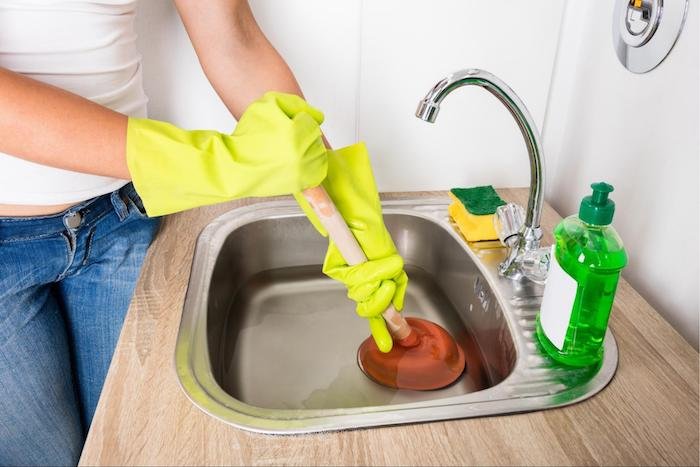
A high-quality plunger is also essential for any household. Make sure to use a flange plunger specifically designed for sinks and toilets. The right technique involves creating a firm seal before pushing down hard to force water through the clog.
For more severe issues, consider using an auger or drain machine. These devices are capable of cutting through roots and heavy debris in your plumbing system.
Don’t underestimate the power of hot water and vinegar as partners in crime against clogs. Pouring boiling water followed by a mix of vinegar and baking soda can work wonders for breaking down grease buildup over time.
Preventing Future Clogs
Keeping your drains clear is easier than you might think. Simple habits can make a significant difference in preventing future clogs.
Start by being mindful of what goes down the sink. Avoid rinsing food particles, grease, or coffee grounds. Use a strainer to catch debris before it enters the drain.
Regular maintenance also helps. Pour boiling water down your drains once a week to flush out any buildup. This quick routine can keep things flowing smoothly.
Another effective tip is to use baking soda and vinegar monthly. This natural solution breaks down potential blockages while deodorizing your pipes.
Check for leaks or damage around fixtures regularly. Early detection means you can address issues before they escalate into more significant problems that lead to slow drains.
When to Call a Professional Plumber
Some clogs are stubborn. If you’ve tried multiple methods without success, it might be time to call in the experts.
Unexpected issues can arise from DIY attempts. You could unintentionally damage pipes or cause leaks. A professional plumber has the skills and tools to handle these complexities safely.
Consider your time too. If a slow drain is causing repeated frustration, hiring someone may save you both hassle and hours of work.
If you’ve noticed recurring problems, that’s another sign for help. Persistent clogs often indicate deeper plumbing concerns that need expert evaluation.
If water begins backing up into other drains or fixtures, don’t hesitate to reach out for assistance. This could signal a more serious blockage within your system requiring immediate attention from a qualified plumber.
Conclusion
A slow drain can be a frustrating problem, but it doesn’t have to ruin your day. By understanding the common causes and trying out various methods—whether home remedies or more intensive techniques—you can often clear up those pesky clogs on your own. Don’t forget that prevention is key; regular maintenance can save you from future headaches.
If all else fails, knowing when to call in a professional plumber will ensure that you tackle any tough blockages effectively without causing damage to your plumbing system. Keep these tips in mind, and you’ll be well-equipped to handle any draining dilemma that comes your way.