Every door installed in a construction project serves as more than just a passageway—it’s a critical component that determines a building’s security, energy efficiency, aesthetic appeal, and overall functionality. Whether you’re working on a residential renovation or a large-scale commercial build, the doors you choose directly influence how occupants experience the space daily. Yet for many contractors, navigating the vast landscape of door options remains a persistent challenge. From sorting through materials and styles to finding suppliers who deliver quality products on schedule, the decision-making process can quickly become overwhelming and costly when mistakes occur.
This guide was created to eliminate that uncertainty. Here, you’ll find a comprehensive breakdown of available door options, practical strategies for vetting and partnering with reliable building materials suppliers, insights into the door customization process, and essential installation guidelines that ensure compliance and longevity. Whether you’re an experienced general contractor refining your procurement workflow or a specialty installer looking to expand your knowledge base, the following sections provide actionable information designed to keep your projects on track, on budget, and built to last.
Understanding the Full Spectrum of Door Options
Before placing a single order, contractors need a firm grasp of the door options available across residential and commercial applications. At the broadest level, doors fall into two categories: interior and exterior. Interior doors prioritize aesthetics, sound dampening, and privacy, while exterior doors must withstand weather exposure, meet stringent energy codes, and provide robust security. Conflating the requirements of one with the other is a common and expensive mistake.
Material selection forms the next critical decision layer. Wood doors remain a popular choice for their warmth and versatility—solid hardwood works well for high-end interiors, while engineered wood cores offer dimensional stability at a lower weight. Metal doors, typically steel or aluminum, dominate commercial entries and fire-rated applications due to their strength and code compliance. Fiberglass has emerged as a strong contender for exterior residential use because it resists warping, rotting, and denting while convincingly mimicking wood grain textures.
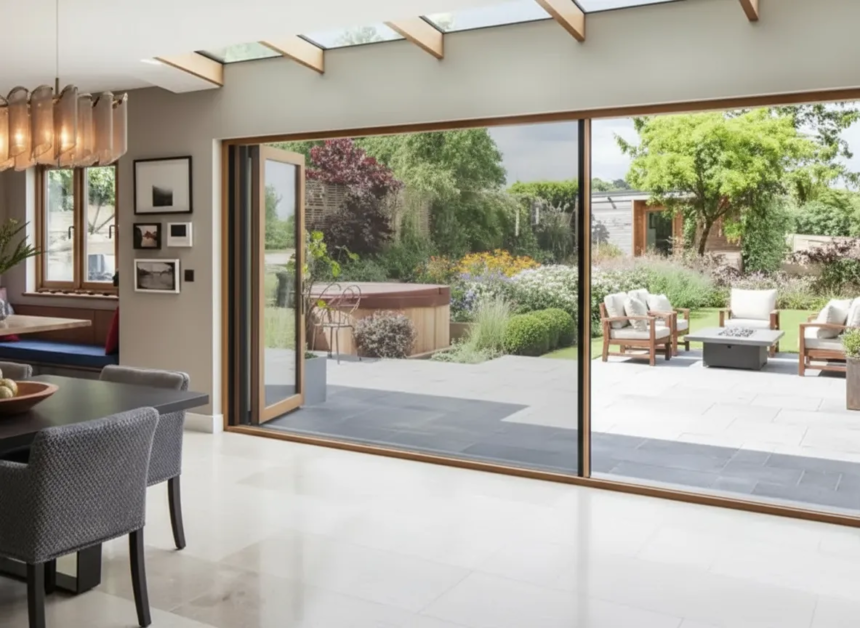
Style further refines the selection. Hinged doors suit most standard openings, but sliding and pocket doors save valuable floor space in tight layouts. French doors create elegant transitions between rooms or between interior spaces and patios. Barn-style doors have gained traction in modern residential design, though they offer limited sound isolation. Bifold configurations work well for closets and utility areas where full-swing clearance isn’t feasible.
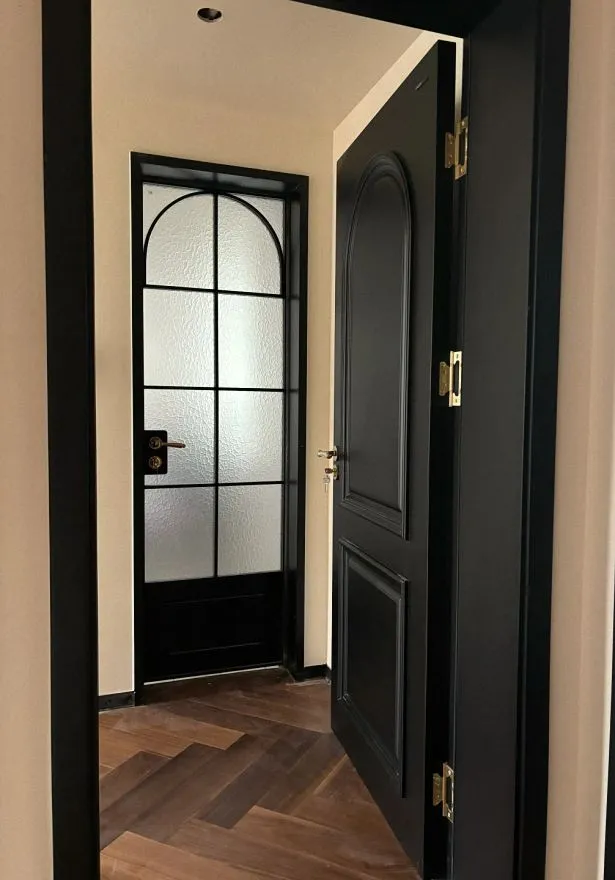
Several factors should guide every choice: the project’s scope and timeline, the client’s aesthetic vision, local building codes—particularly fire ratings and egress requirements—and the allocated budget. Contractors who understand these door options thoroughly enter supplier conversations with clarity, reducing back-and-forth communication and accelerating procurement timelines from the very first quote request.
Selecting a Reliable Building Materials Supplier
Choosing the right building materials supplier can make or break a project’s timeline and budget. A dependable supplier doesn’t just ship products—they become a strategic partner who helps you source the right door options, navigate lead times, and solve problems when specifications change mid-project. The challenge is that not all suppliers operate at the same level, and a poor choice often reveals itself at the worst possible moment: when materials arrive damaged, late, or mismatched to your order.
Start your evaluation by examining the supplier’s product range. A supplier who stocks a broad inventory across multiple door categories—interior, exterior, commercial-grade, and residential—gives you the flexibility to consolidate orders rather than juggling multiple vendors. Home supplies providers like GeorgeBuild, for example, offer the kind of comprehensive catalog that allows contractors to streamline procurement across diverse project needs. Equally important is their capacity for door customization. Projects frequently demand non-standard sizes, unique finishes, or specialized hardware preparations, and a supplier without customization capabilities will force you to seek secondary sources, adding complexity and cost. Pricing transparency matters too; look for suppliers who provide detailed, itemized quotes rather than vague estimates that balloon at invoicing. Finally, assess delivery reliability by asking about their logistics infrastructure, average fulfillment timelines, and policies for handling backorders or damaged shipments.
Key Factors in Supplier Vetting
Begin by requesting references from contractors who have completed projects similar to yours in scope and scale. Direct conversations with past clients reveal patterns that online reviews sometimes miss—consistency in order accuracy, responsiveness when issues arise, and willingness to accommodate urgent requests. Verify that the supplier holds relevant industry certifications, which signal adherence to quality standards and manufacturing best practices.
Next, test their customization competence firsthand. Submit a sample request for a non-standard door specification and evaluate how they handle it: Do they ask clarifying questions? Provide a realistic timeline? Offer material samples or digital renderings? This exercise tells you more about their operational maturity than any sales pitch. Also assess their communication infrastructure—dedicated account managers, accessible technical support, and clear escalation paths all indicate a supplier equipped to support contractors through complex builds rather than simply processing transactions.
Navigating Door Customization for Specific Projects
Standard off-the-shelf doors work for many applications, but the reality of construction is that no two projects are identical. Non-standard rough openings, historic renovation constraints, unique architectural visions, and specialized performance requirements all push contractors toward door customization—a process that, when managed well, delivers precisely the right product for each application without derailing the project schedule.
The customization process typically begins with a design consultation, either in person or through detailed specification submissions to your supplier. During this phase, you’ll define the door’s dimensions, material composition, finish, glazing requirements, and hardware preparations. Being thorough at this stage is essential because changes made after manufacturing begins often trigger significant cost overruns and timeline extensions. Prepare detailed shop drawings or reference existing architectural plans, and confirm every measurement on-site before submitting final specifications. A reliable building materials supplier will review your submissions, flag potential issues—such as material limitations at unusual dimensions or incompatible hardware pairings—and propose alternatives before production starts.
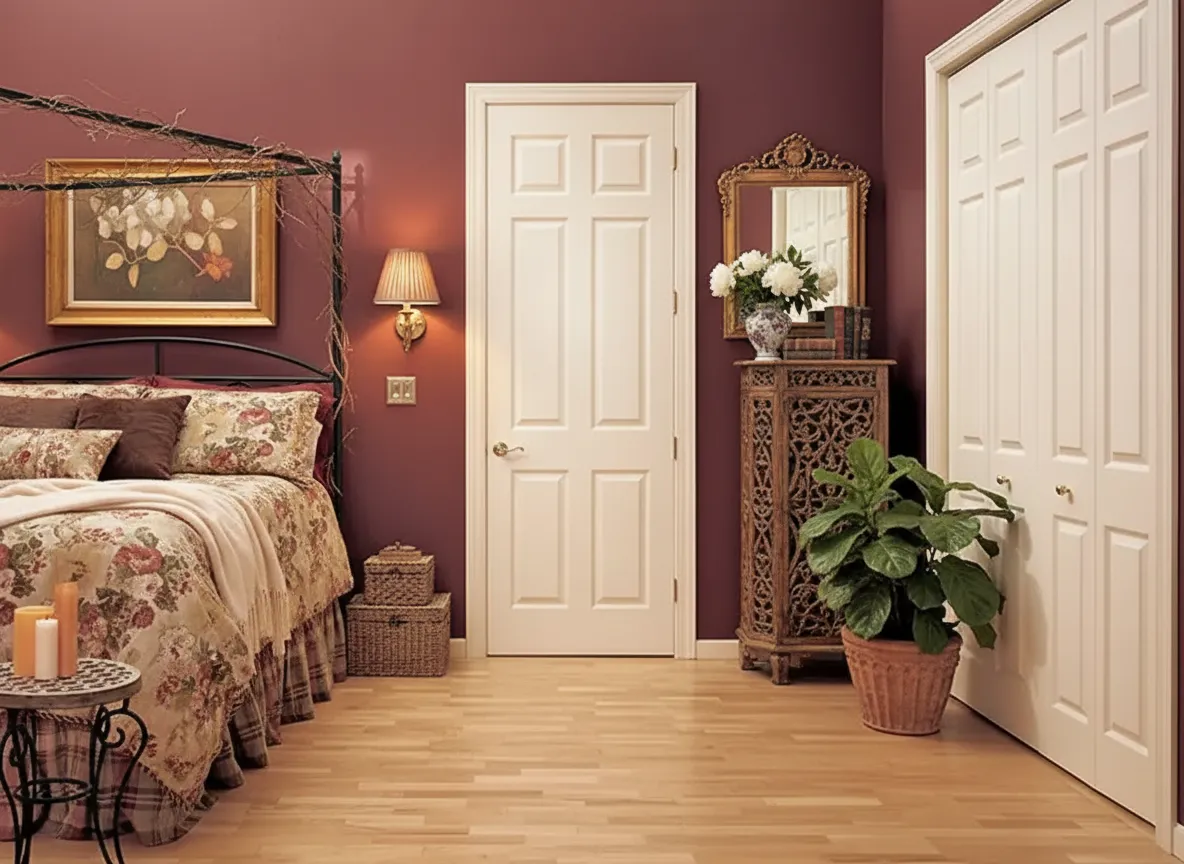
Common door customization requests include enhanced security features like multi-point locking systems and reinforced cores for commercial or high-risk residential entries. Aesthetic finishes represent another frequent category: custom stain colors matched to existing millwork, specialty veneers, or integrated glass panels with specific opacity levels for privacy. Fire-rated assemblies with non-standard dimensions require particularly careful coordination, since every component—door, frame, and hardware—must be tested and listed as a complete assembly to satisfy code inspectors.
To communicate your requirements effectively and avoid delays, create a standardized customization request template that covers dimensions, material preferences, performance ratings, hardware cutouts, finish specifications, and delivery deadlines. Submit this document early in the procurement phase, and schedule a follow-up call with your supplier’s technical team within a week to confirm feasibility. This disciplined approach transforms door customization from a source of project risk into a competitive advantage that distinguishes your work from contractors who settle for generic solutions.
Essential Guidelines for Door Installation
Even the highest-quality door becomes a liability if it’s installed incorrectly. Poor door installation leads to air infiltration, compromised security, premature wear on hardware, and failed inspections that stall project completion. Contractors who treat installation as a disciplined, methodical process—rather than rushing through it to move on to the next task—consistently deliver results that satisfy clients and stand up to long-term use.
Before any door goes into an opening, thorough site preparation is non-negotiable. Verify that the rough opening matches the manufacturer’s specified dimensions, accounting for shimming space and plumb and level tolerances. Gather all required tools and materials in advance: levels, shims, screws appropriate for the frame material, sealant for exterior applications, and any specialized jigs recommended by the door manufacturer. Review the installation instructions specific to each product, because techniques that work for a standard hinged interior door won’t apply to a sliding barn door system or a fire-rated commercial assembly. For exterior door installation, confirm that the weather-resistant barrier and flashing details are in place before setting the frame—skipping this step invites water intrusion that can cause structural damage hidden behind finished walls.
Step-by-Step Installation Process
Frame preparation sets the foundation for everything that follows. Check the rough opening for square by measuring diagonals, and correct any discrepancies with shims before inserting the frame. Once the frame is positioned, shim behind each hinge location and at the strike plate area, then verify plumb on both sides and level across the head jamb. Secure the frame with fasteners driven through the shims into the structural framing—never rely on finish nails alone for structural support.
With the frame anchored, hang the door by attaching hinges to the pre-mortised locations, starting with the top hinge and working down. Test the swing before proceeding: the door should open and close smoothly without binding or dragging, and the reveal—the gap between the door and frame—should remain consistent on all sides. Next, install the lockset, deadbolt, or commercial-grade hardware according to the manufacturer’s template, ensuring proper alignment with the strike plate so the latch engages without forced manipulation. For fire-rated assemblies, confirm that every component—hinges, closer, glazing, and gasketing—matches the listed assembly documentation, since substituting even a single element can void the rating and trigger code violations.
Finally, seal the installation. Apply weatherstripping to exterior doors to meet energy code requirements, and use low-expansion foam or backer rod with sealant around the frame perimeter to eliminate drafts. Common troubleshooting issues include doors that stick due to seasonal wood expansion, which can be addressed by planing the edge or adjusting hinge placement, and misaligned strike plates that prevent clean latching, typically resolved by enlarging the mortise slightly or repositioning the plate. Always conduct a final walkthrough that tests operation, checks hardware function, and confirms compliance with applicable building codes before signing off on the installation.
Building a Streamlined Door Selection and Installation Workflow
Selecting the right doors for any construction project demands more than browsing a catalog—it requires a systematic approach that connects material knowledge, supplier relationships, customization capabilities, and installation expertise into a cohesive workflow. By understanding the full spectrum of door options available across materials, styles, and performance ratings, you position yourself to make informed decisions that align with project requirements from day one. Partnering with a dependable building materials supplier who offers broad inventory, transparent pricing, and genuine door customization capabilities eliminates the scramble that derails timelines and inflates budgets. When projects call for tailored solutions, a disciplined approach to specifying and communicating custom requirements ensures you receive exactly what each application demands without costly revisions. And proper door installation—executed with attention to manufacturer guidelines, code compliance, and long-term durability—protects your reputation and delivers lasting value to clients.
Contractors who integrate these principles into their standard operating procedures don’t just complete projects more efficiently; they build a track record of reliability that wins repeat business and referrals. Apply these insights to your next build, and the doors you install will perform as intended for decades to come.