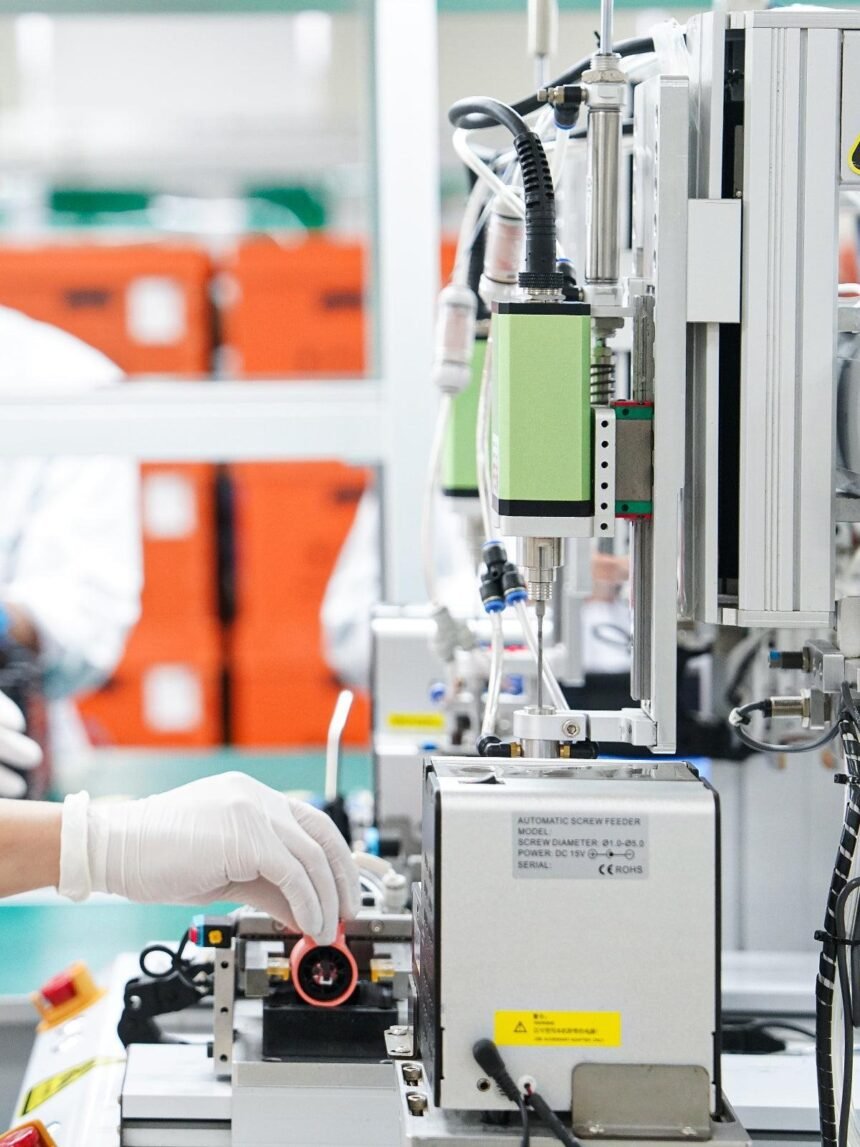
In modern manufacturing, precision isn’t just a preference—it’s a non-negotiable requirement. A single dimensional error measured in microns can render an entire production run useless, costing businesses thousands in wasted materials and lost time. Injection molding has long stood as a cornerstone technology for producing complex, high-quality parts at scale, serving industries from medical devices to consumer electronics. Yet for small to medium-sized manufacturers, finding a reliable injection molding partner remains one of the most persistent challenges they face. The wrong choice can mean missed deadlines, inconsistent quality, and strained customer relationships. This article serves as a practical guide to navigating that landscape with confidence. We’ll explore the fundamentals of injection molding in precision manufacturing, examine why contract manufacturing has become essential for growing businesses, and look at how advanced techniques are enabling the next generation of smart products. You’ll also discover the key factors that define reliability in injection molding services and walk away with a step-by-step framework for selecting the right manufacturing partner.
The Fundamentals of Injection Molding for Precision Manufacturing
Injection molding is a manufacturing process in which molten material—typically thermoplastic or thermosetting polymers—is injected under high pressure into a precisely engineered mold cavity. Once the material cools and solidifies, it takes the exact shape of the mold, producing parts that can range from simple housings to geometrically complex components with tight tolerances. The process is inherently repeatable, which makes it ideal for high-volume production runs where consistency matters as much as accuracy.
What makes injection molding so significant in precision manufacturing is its ability to produce durable, dimensionally stable parts with minimal post-processing. Wall thicknesses, surface textures, and structural features can all be controlled with remarkable accuracy, often down to fractions of a millimeter. This level of control directly translates into higher product quality and greater production efficiency, reducing scrap rates and shortening time to market. The technology serves a broad spectrum of applications—medical device enclosures that must meet strict biocompatibility standards, automotive clips and connectors subjected to extreme temperatures, and consumer electronics housings requiring both aesthetic appeal and structural integrity. Understanding these fundamentals is the first step toward leveraging injection molding as a strategic advantage in any manufacturing operation.
Why Contract Manufacturing is Essential for Small to Medium-Sized Manufacturers
For small to medium-sized manufacturers, the economics of building in-house injection molding capabilities rarely make sense. A single high-precision molding machine can cost hundreds of thousands of dollars, and that figure doesn’t account for tooling, facility upgrades, quality inspection equipment, or the specialized workforce needed to run it all. Contract manufacturing eliminates these capital barriers by giving businesses access to established production infrastructure on a project-by-project basis. Instead of sinking resources into equipment that may sit idle between runs, manufacturers can allocate capital toward product development, marketing, and growth.
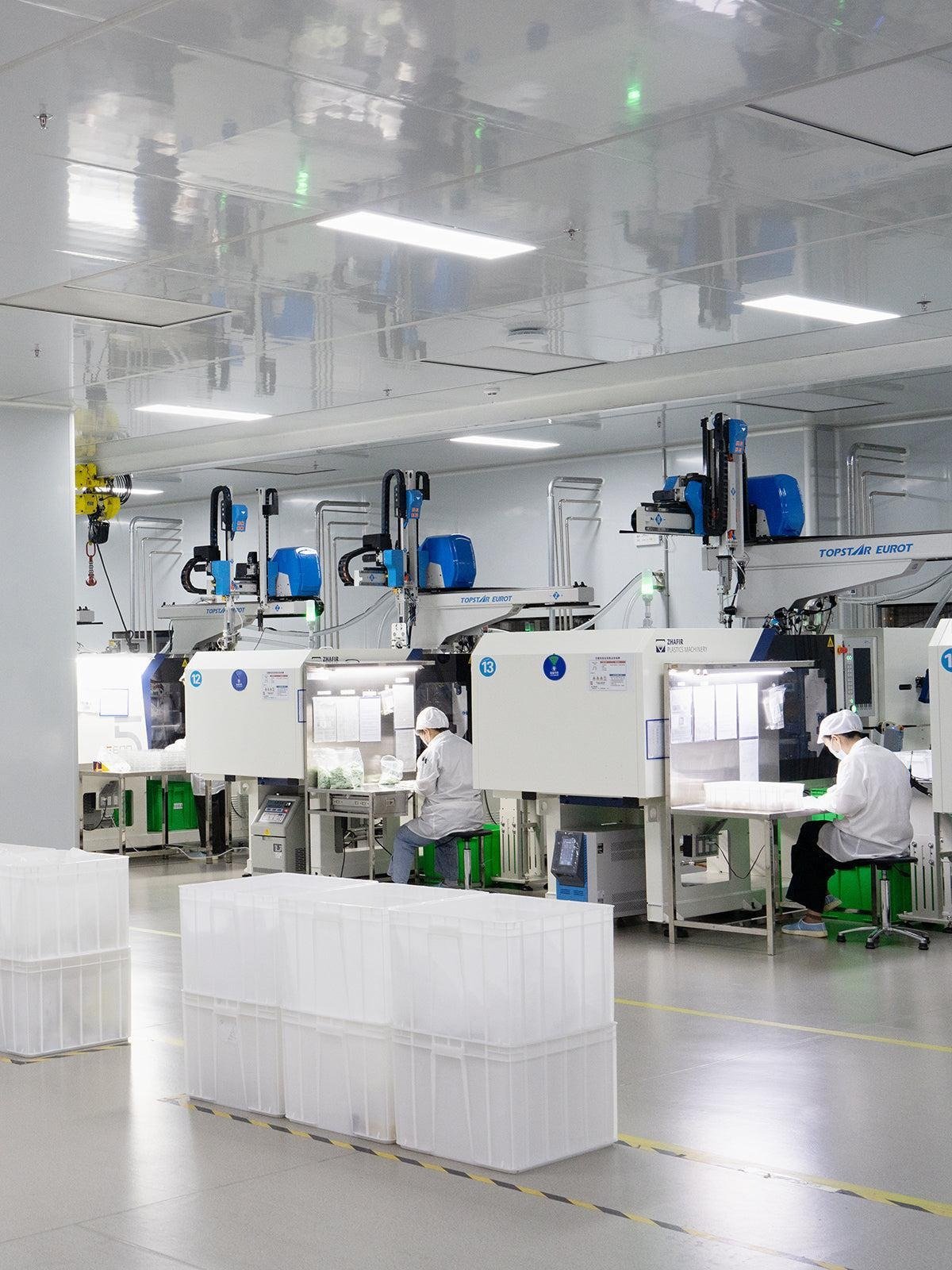
Beyond cost savings, contract manufacturing provides access to deep technical expertise that would take years to develop internally. Experienced molding partners bring knowledge of material behavior, mold design optimization, and process parameters that directly impact part quality and cycle times. This expertise becomes especially valuable when scaling production—a contract manufacturer can ramp output up or down based on demand without forcing the client to manage workforce fluctuations or warehouse excess inventory. The arrangement also shortens time to market, since established partners already have validated processes and supplier relationships in place. For manufacturers who need reliable injection molding services but lack the volume or resources to justify full in-house operations, contract manufacturing bridges that gap efficiently, turning a fixed-cost challenge into a flexible, scalable partnership.
Enabling Smart Products Through Advanced Injection Molding Techniques
The rise of smart products has fundamentally changed what manufacturers expect from injection molding. Devices embedded with sensors, wireless connectivity, and microprocessors demand enclosures and structural components that go far beyond simple protective shells. Think of a connected thermostat that must house a circuit board, antenna, and touch-sensitive display within a seamless, compact form factor—or an automotive sensor module that needs to withstand engine bay temperatures while maintaining precise internal geometries for electronic components. These products require injection-molded parts with intricate internal channels, ultra-thin walls, and tight dimensional tolerances that only advanced molding techniques can deliver.
Precision manufacturing makes this possible through innovations like multi-shot molding, which combines rigid and flexible materials in a single part, and insert molding, which encapsulates metal contacts or electronic elements directly within the plastic during the molding cycle. These techniques eliminate secondary assembly steps and improve both the durability and functionality of the finished product. Material science plays an equally important role—engineering-grade resins with specific dielectric properties, thermal resistance, or electromagnetic shielding characteristics allow molded components to actively support smart functionality rather than merely containing it. As market demand for IoT devices, wearable technology, and intelligent automotive systems accelerates, manufacturers who partner with injection molding providers capable of handling these advanced requirements position themselves to compete at the leading edge of product innovation.
Material selection is an important part of manufacturing, particularly when cleaning components, preparing surfaces, or ensuring chemical compatibility. Different solvents have different properties, so choosing the right option depends on the material and its intended application. This comparison of Musol solvent vs. other solvents provides further information about solvent selection and their differences.
Ensuring Reliability: Key Factors in Injection Molding Services
Reliability in injection molding isn’t a single attribute—it’s the result of interconnected systems working in alignment across every stage of production. For manufacturers who depend on outsourced molding, two concerns consistently rise above the rest: will the parts meet quality standards, and will they arrive on time? Falling short on either front creates ripple effects that can disrupt assembly schedules, delay product launches, and erode customer confidence. Understanding what drives both quality and delivery performance helps manufacturers ask the right questions before committing to a partner.
Strategies for High-Quality Manufacturing
Consistent part quality starts with material selection. The right resin must match the application’s mechanical, thermal, and chemical demands—choosing incorrectly leads to warping, brittleness, or premature failure in the field. Equally important is the condition and caliber of molding equipment. Modern servo-driven presses with closed-loop process monitoring maintain tighter control over injection speed, pressure, and cooling than older hydraulic systems, directly reducing dimensional variation from shot to shot. Beyond machinery, stringent quality control processes act as the final safeguard. Statistical process control, in-line inspection with vision systems, and coordinate measuring machine verification at defined intervals catch deviations before defective parts accumulate. Providers like WEILAN MFG exemplify this integrated approach, combining advanced equipment with rigorous inspection protocols to maintain consistency across long production runs. None of this works, however, without skilled technicians who understand how to interpret data, troubleshoot process drift, and optimize mold performance. The combination of proper materials, advanced equipment, rigorous inspection, and experienced personnel forms the foundation of high-quality injection molding output.
Achieving Reliable Delivery Timelines
On-time delivery depends on disciplined project management and proactive coordination across the supply chain. Reliable molding partners establish detailed production schedules with built-in milestones, allowing both parties to track progress and identify delays early. Efficient supply chain coordination ensures raw materials and tooling components arrive when needed, preventing idle machine time that pushes back ship dates. Clear communication protocols—regular status updates, designated points of contact, and transparent reporting on any issues—build the trust that sustains long-term partnerships. Contingency planning rounds out the picture: experienced providers maintain backup tooling strategies, secondary material sources, and flexible scheduling capacity to absorb unexpected disruptions without derailing the timeline. When these practices operate together, manufacturers gain the predictability they need to plan downstream operations with confidence.
A Step-by-Step Guide to Selecting Your Injection Molding Partner
Choosing the right injection molding partner is a decision that shapes product quality, production timelines, and ultimately your competitive position. Rather than relying on a quick internet search or the lowest quote, approach the selection process methodically to ensure the partnership delivers long-term value.
Start by defining your project requirements with specificity. Document the part geometries, material requirements, tolerance ranges, expected volumes, and any regulatory standards the finished components must meet. A detailed specification package gives potential partners the information they need to provide accurate quotes and realistic timelines—and it gives you a baseline for comparing responses objectively.
Next, research and shortlist candidates based on relevant expertise and industry reputation. Look for providers with demonstrated experience in your sector, whether that’s medical devices, automotive systems, or consumer electronics. Client testimonials, published case studies, and industry certifications such as ISO 13485 or IATF 16949 offer tangible evidence of capability. Narrow your list to three or four strong contenders before moving deeper into evaluation.
Evaluate each finalist’s capabilities firsthand. Request a facility tour—either in person or virtual—to observe their equipment, quality systems, and shop floor organization. Ask to review sample parts from comparable projects, and inquire about their engineering support during the design-for-manufacturability phase. This step reveals whether a provider can truly execute at the precision level your products demand.
Once you’ve identified the strongest candidates, discuss delivery expectations and quality assurances in concrete terms. Establish agreed-upon lead times, inspection criteria, acceptable defect rates, and escalation procedures for non-conformances. These conversations expose how a partner handles accountability and whether their commitments are backed by documented processes.
Finally, formalize the relationship with a clear contract that covers pricing structures, intellectual property protections, change order procedures, and ongoing communication cadences. Include provisions for periodic performance reviews so both parties can address issues proactively and continuously improve. A well-structured agreement transforms a vendor transaction into a true manufacturing partnership—one built to support your growth over time.
Building a Stronger Manufacturing Future Through the Right Molding Partner
Reliable injection molding services form the backbone of precision manufacturing, enabling businesses to deliver complex, high-quality parts consistently and on schedule. Throughout this article, we’ve examined how the fundamentals of injection molding support dimensional accuracy and repeatability, why contract manufacturing offers small to medium-sized manufacturers a practical path to scaling without prohibitive capital investment, and how advanced techniques are opening doors to smart product innovation. We’ve also broken down the interconnected factors that define reliability—from material selection and equipment caliber to disciplined project management and transparent communication. Perhaps most importantly, we’ve outlined a structured approach to selecting a manufacturing partner that goes beyond price comparisons to evaluate true capability, accountability, and long-term fit.
For manufacturers navigating competitive markets with tight margins and rising customer expectations, these considerations aren’t academic—they’re operational imperatives. The right injection molding partner doesn’t just fill purchase orders; they become an extension of your production capability, helping you solve engineering challenges, meet delivery windows, and maintain the quality standards your customers expect. Take the framework presented here and apply it to your next sourcing decision. Define your requirements clearly, vet candidates thoroughly, and build partnerships grounded in measurable commitments. The effort you invest in choosing well today will pay dividends across every production run that follows.