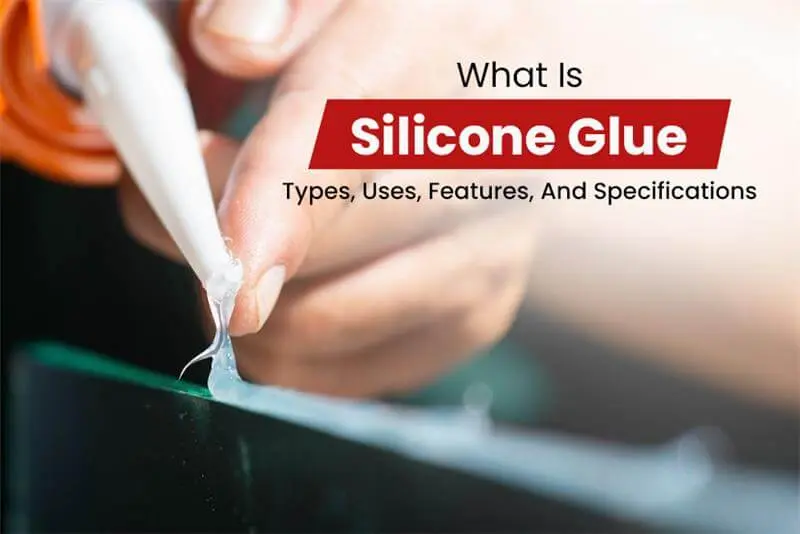
Silicone glue is more than just a simple adhesive; it’s a versatile tool that can tackle numerous projects around your home and workspace. Whether you’re repairing broken items or crafting something new, understanding how silicone glue works can make all the difference. Its unique properties offer durability and flexibility, setting it apart from standard glues. Curious about what makes this adhesive so special? Join us as we explore the properties and uses of silicone glue in-depth, uncovering its various types, applications, and tips for effective use along the way!
What is Silicone Glue and How Does it Work?
Silicone glue, also known as silicone adhesive, is a powerful bonding agent renowned for its flexibility and durability. Unlike traditional glues that dry hard, silicone glue remains somewhat elastic even after curing. This characteristic allows it to withstand movement and stress without breaking the bond.
The magic lies in its chemical composition. Silicone adhesives are made from polymers that create strong cross-links when cured. These links form a robust yet flexible structure that can resist moisture, heat, and various chemicals.
When applied, silicone glue adheres effectively to diverse surfaces like glass, metal, wood, and plastic. Its exceptional water resistance makes it ideal for both indoor and outdoor projects. As it cures at room temperature or with slight heat application, users appreciate its ease of use in various crafting or repair tasks around the home or workspaces.
The Different Types of Silicone Glue
Silicone glue comes in various types, each tailored for specific applications. One popular option is acetoxy silicone. This type releases acetic acid during curing, making it ideal for bathroom and kitchen use due to its strong waterproof properties.
Another variant is neutral cure silicone. It does not emit harsh odors or corrosive byproducts, making it suitable for sensitive surfaces like metals and painted materials.
For those looking for flexibility, there’s low-modulus silicone adhesive. This version maintains elasticity after curing, which is perfect for areas subject to movement or vibration.
There’s high-temperature silicone glue designed to withstand extreme heat environments. It’s often used in automotive and industrial applications where durability is essential.
Each type serves a unique purpose based on the needs of your project, ensuring you have the right solution at hand every time.
Advantages and Disadvantages of Using Silicone Glue
Silicone glue offers several advantages that make it a popular choice for various applications. Its flexibility is one of its standout features. This elasticity allows joints to expand and contract without breaking, making it ideal for projects exposed to temperature changes.
Another benefit is its water resistance. Silicone glue forms a strong bond even in wet conditions, which is perfect for outdoor or bathroom uses. Additionally, it’s non-toxic when cured, adding an extra layer of safety for household items.
However, there are some downsides to consider as well. One major drawback is the longer curing time compared to other adhesives; patience may be required during your project.
Moreover, silicone glue can sometimes be less effective on porous surfaces like wood or paper. It’s essential to select the right adhesive depending on your materials and needs before diving into any project.
Common Uses for Silicone Glue
Silicone glue is incredibly versatile, making it a favorite in numerous applications. One of its primary uses is in construction and home improvement projects. It effectively seals joints, gaps, and cracks due to its excellent waterproof properties.
In the automotive industry, silicone glue bonds glass to metal surfaces firmly. It withstands extreme temperatures and vibrations common in vehicles.
Craft enthusiasts also rely on this adhesive for DIY projects. Whether creating jewelry or repairing ceramics, silicone glue provides a strong bond without damaging delicate materials.
Additionally, it’s widely used in plumbing for sealing pipes as it resists moisture effectively. Many aquariums are built using this adhesive because it’s safe for aquatic life too.
Its flexibility makes silicone glue suitable for electrical work as well; it insulates connections while allowing movement without breaking the bond.
Tips for Proper Application and Removal
Applying silicone glue requires a few simple steps for the best results. Always start with clean, dry surfaces. This ensures proper adhesion and longevity of the bond.
When dispensing the glue, use an even pressure on the tube or applicator to create a consistent bead. Avoid excessive amounts as this can lead to messy applications and longer curing times.
For removal, patience is key. Silicone glue doesn’t come off easily once cured. Use a utility knife or scraper to gently lift it from surfaces without damaging them.
If needed, apply heat using a hairdryer; this softens the adhesive for easier peeling. Remember that solvents specifically designed for silicone can also help in breaking down stubborn residues effectively.
Always wear gloves during both application and removal processes to protect your skin from irritation caused by adhesives.
Comparing Silicone Glue to Other Adhesives
When comparing silicone glue to other adhesives, it’s essential to consider their unique characteristics. Silicone glue stands out due to its flexibility and durability. Unlike superglue, which forms a rigid bond, silicone maintains elasticity even after curing.
Another difference lies in the temperature resistance. Silicone can withstand extreme temperatures without losing its adhesive properties. This makes it ideal for both indoor and outdoor applications where conditions may vary greatly.
Waterproof qualities are another advantage of silicone glue over standard wood or craft glues. It’s perfect for projects that require moisture resistance.
However, some traditional adhesives might cure faster than silicone glue, which requires patience during application. Plus, they often have clearer finishes compared to the slightly opaque appearance of cured silicone.
Choosing the right adhesive ultimately depends on your project needs and environmental factors at play.
Safety Precautions when Using Silicone Glue
When working with silicone glue, safety should always come first. Start by ensuring your workspace is well-ventilated. Good airflow helps reduce exposure to any fumes.
Wearing gloves is essential. Silicone adhesives can bond skin quickly, and removing it can be painful. Protecting your hands helps you avoid unnecessary irritation or injury.
Eye protection is also advisable. If the glue accidentally splashes, it could lead to irritation or damage to your eyes.
Keep silicone glue away from heat sources and flames. The chemicals in the adhesive may become hazardous under extreme temperatures.
Read the manufacturer’s instructions carefully before use. Each product has specific guidelines regarding application and storage that are crucial for safe handling.
Conclusion
Silicone glue is a versatile adhesive that offers numerous benefits for various applications. Its flexibility, water resistance, and durability make it an ideal choice for both household and industrial uses. Understanding its properties helps users select the right type of silicone glue for their needs.
When considering silicone glue, it’s essential to weigh its advantages against potential drawbacks. While it adheres well to many surfaces and withstands temperature fluctuations, curing time can be lengthy compared to instant adhesives. Users must also follow safety precautions during application to ensure optimal results.
By exploring the different types available and knowing how to apply them properly, anyone can harness the power of silicone glue effectively. Whether you’re repairing items around the house or tackling DIY projects, this adhesive has something valuable to offer every user.
With proper application techniques and mindfulness toward safety measures in place, silicone glue can become a reliable ally in your crafting toolkit or home repair arsenal. Embracing its unique properties opens up possibilities limited only by your imagination!