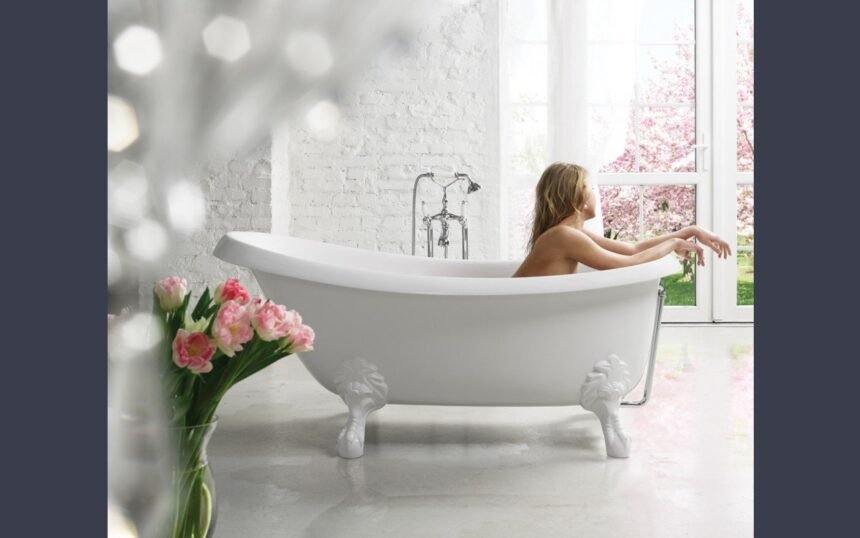
When it comes to bathroom design, free standing tub have become a symbol of luxury and relaxation. Unlike traditional tubs that are installed against a wall, free standing tubs are self-supported and can be placed anywhere in the bathroom, making them a stylish focal point. Whether you’re renovating your bathroom or designing a new space, a free standing tub can elevate the aesthetic and functionality of your bathroom.
In this comprehensive guide, we’ll dive into what a free standing tub is, the different types available, the benefits they offer, and how to choose the right one for your home. We’ll also explore the pros and cons of free standing tubs, installation considerations, and how to maintain them.
What is a Free Standing Tub?
A free standing tub is a bathtub that is not attached to any wall or surrounding structure. Unlike alcove tubs that are recessed into a wall and require a shower surround, free standing tubs stand alone in the center of the room or against any open wall. These tubs can be placed anywhere within the bathroom, offering greater flexibility in layout and design.
Typically, free standing tubs are supported by four feet or a solid base, and they often feature elegant, sculptural designs that make them the focal point of the room. Free standing tubs come in various materials, shapes, and sizes, making them versatile enough to fit in both small and large bathrooms.
Types of Free Standing Tubs
There are several types of free standing tubs, each offering unique features and aesthetic appeal. The most popular types include:
Freestanding Soaking Tub
A freestanding soaking tub is designed for relaxation. These tubs have a deeper basin, allowing you to soak comfortably in the water. Soaking tubs are often used for their aesthetic appeal and their ability to provide a more luxurious bath experience. They don’t usually have jets or complicated plumbing but are ideal for those who want a peaceful, quiet bath.
Benefits:
-
Deep basin for immersion
-
Ideal for relaxation and bathing
-
Available in various shapes (oval, round, square)
Applications: Perfect for those who want a luxurious bath experience in a stylish, standalone unit.
Freestanding Whirlpool Tub
The whirlpool tub version of a free standing tub includes built-in jets to create a spa-like experience. These tubs allow for water circulation, massaging your body with warm water, which is ideal for relaxation and muscle relief. Whirlpool tubs are larger than soaking tubs and often feature advanced plumbing systems for water pressure and circulation.
Benefits:
-
Spa-like experience with water jets
-
Excellent for muscle relaxation and pain relief
-
High-end, luxurious design
Applications: Suitable for homeowners who want the therapeutic benefits of a whirlpool bath.
Clawfoot Tub
The clawfoot tub is a classic design, often associated with vintage or retro bathroom decor. These tubs feature four “claw” feet, which lift the tub off the ground. Clawfoot tubs are available in a variety of styles, from traditional to modern, and they are often made from materials like cast iron or acrylic.
Benefits:
-
Vintage, elegant design
-
Available in multiple materials (cast iron, acrylic, etc.)
-
High-end, antique feel
Applications: Ideal for vintage or Victorian-inspired bathrooms, but can also add a retro touch to modern designs.
Modern Freestanding Tub
For a more contemporary look, the modern freestanding tub features sleek, minimalistic designs, often made of materials like acrylic, stone, or composite. These tubs are not only stylish but also functional, offering a combination of luxury and modern aesthetics.
Benefits:
-
Sleek, minimalist design
-
Ideal for contemporary or modern bathrooms
-
Lightweight and durable materials
Applications: Perfect for modern bathrooms that emphasize clean lines and functional beauty.
Benefits of a Free Standing Tub
Free standing tubs are much more than just a luxurious addition to your bathroom. They offer several key benefits that can enhance both the aesthetic and practical aspects of your space.
Elegant Focal Point
A free standing tub can instantly transform the appearance of your bathroom. Its sleek, stylish design makes it a centerpiece of the room. Whether you choose a modern or traditional design, a free standing tub adds a touch of elegance and sophistication to any bathroom.
Flexible Placement
One of the biggest advantages of a free standing tub is its flexibility in placement. Since the tub isn’t attached to any walls, you can position it anywhere in the bathroom. This opens up a variety of design possibilities. You can place the tub in the center of the room for a grand statement or in a corner to create a more intimate bathing experience.
Comfort and Relaxation
Free standing tubs are designed to offer maximum comfort. With deeper, more spacious basins, they provide ample room for you to relax. Many models also feature ergonomically designed backs and armrests, adding to the comfort level, especially in soaking tubs or whirlpool models.
Increased Home Value
Installing a free standing tub in your bathroom can significantly increase your home’s value. Potential buyers often see free standing tubs as a luxury feature, and this can set your home apart from others on the market. Whether you plan to sell in the future or just want to enjoy a more luxurious bathroom, this investment is one that can pay off.
Easy to Clean
Free standing tubs are generally easier to clean compared to traditional tubs with built-in surrounds. Because there are no tight corners or spaces between the tub and walls, cleaning is a breeze. You can easily wipe down all surfaces, making maintenance simpler and less time-consuming.
How to Choose the Right Free Standing Tub
When selecting a free standing tub, it’s important to consider a few factors to ensure it fits well with your bathroom and meets your needs. Here’s what to keep in mind:
Size of the Bathroom
Before purchasing a free standing tub, measure the available space in your bathroom. Free standing tubs come in various sizes, so it’s important to choose one that fits the room without overwhelming the space. In smaller bathrooms, a compact soaking tub may be more appropriate, while larger bathrooms can accommodate a more expansive tub.
Material
Free standing tubs are made from various materials, including acrylic, cast iron, copper, stone, and fiberglass. Each material has its pros and cons:
-
Acrylic: Lightweight, durable, and easy to maintain.
-
Cast Iron: Offers excellent heat retention, but is heavy and requires a strong foundation.
-
Copper: Elegant and visually appealing, but can be expensive.
-
Stone: Provides a luxurious, natural look, though it can be heavy and costly.
Choose a material that complements your bathroom’s design and is suitable for your budget and maintenance preferences.
Tub Style
The style of the tub is another important consideration. Free standing tubs come in a variety of designs, from traditional clawfoot tubs to modern minimalist styles. The shape, such as oval, round, or rectangular, also affects the look and functionality. Choose a style that complements the overall aesthetic of your bathroom.
Plumbing Requirements
Ensure that the plumbing for your free standing tub is compatible with its design. Most free standing tubs require a floor-mounted faucet or wall-mounted fixtures, which may necessitate additional plumbing adjustments. Consult a plumber to make sure your plumbing system can support your chosen tub.
Installation Considerations
Installing a free standing tub requires careful planning, especially regarding plumbing and space. Here are a few key considerations:
Plumbing Location
Unlike traditional tubs, free standing tubs often require the plumbing to be placed either on the floor or on the wall, depending on the tub’s design. The location of your plumbing lines will determine whether you need a floor-mounted or wall-mounted faucet.
Structural Support
Because free standing tubs are not attached to walls, it is essential to ensure the floor can support the weight of the tub, especially if it is made of a heavy material like cast iron or stone. Ensure your subfloor is strong enough to bear the load, and consult with a contractor if you are unsure.
Drainage Position
Positioning the drain is another important factor. You may need to install a new drain line depending on where you place the tub. Make sure the drainage system is aligned with the tub’s drain hole for proper water flow.
Pros and Cons of Free Standing Tubs
Pros:
-
Elegant and stylish focal point
-
Flexible placement in the bathroom
-
Provides comfort and relaxation
-
Easy to clean and maintain
-
Increases home value
-
Available in various styles and materials
Cons:
-
Can be more expensive than traditional tubs
-
Requires sufficient space in the bathroom
-
May require more complex plumbing and installation
-
Heavy materials like cast iron can be difficult to move
Conclusion
A free standing tub is a luxurious addition to any bathroom. With its variety of shapes, sizes, and materials, it offers both functionality and style. Whether you want to create a spa-like experience with a soaking tub, enjoy the therapeutic benefits of a whirlpool, or make a statement with a clawfoot tub, a free standing tub can elevate the design and comfort of your bathroom.
By understanding the types, benefits, and installation requirements of free standing tubs, you can make an informed decision and create the perfect bathroom retreat. From design to installation, a free standing tub is a timeless investment that will add beauty, comfort, and value to your home.