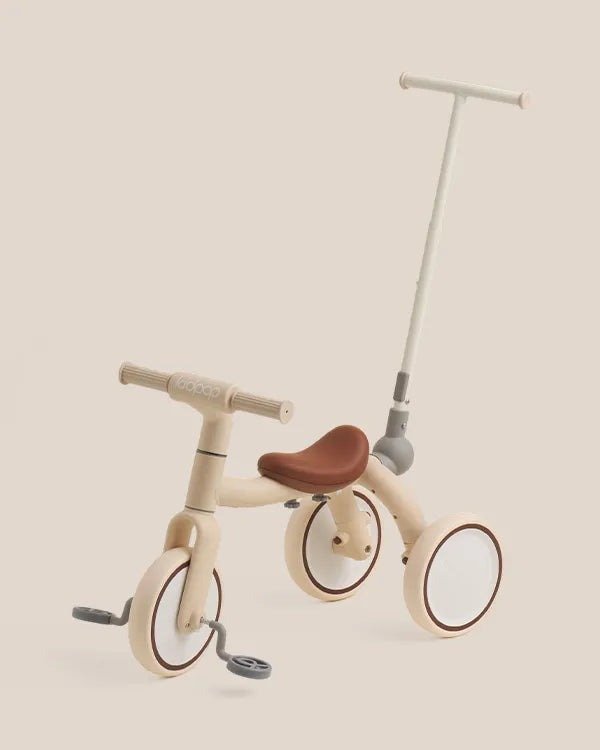
Balance bikes have revolutionized how toddlers learn to ride, offering a natural progression from walking to cycling without the complications of pedals or training wheels. These simple yet ingenious two-wheelers allow young children to develop balance, coordination, and confidence at their own pace, making the transition to traditional bicycles remarkably smooth.
When selecting a balance bike for your toddler, three factors stand paramount: lightweight construction for easy maneuverability, comprehensive safety features to protect your little explorer, and engaging designs that capture their imagination. A bike that’s too heavy can frustrate young riders and discourage practice, while poorly designed models may compromise safety. The right balance bike becomes more than just a learning tool—it transforms into a trusted companion for outdoor adventures, fostering independence and physical development during those crucial early years when children are most eager to explore their world on wheels.
Understanding the Basics of Balance Bikes
Balance bikes are pedal-free bicycles designed specifically for young children, typically between 18 months and five years old. Unlike traditional bikes with training wheels, these streamlined two-wheelers allow toddlers to propel themselves forward using their feet while seated, naturally learning to balance and steer without the distraction of pedaling mechanics. The concept is beautifully simple: children walk, then glide, gradually lifting their feet off the ground for longer periods as confidence builds.
The benefits for toddlers extend far beyond just learning to ride. Balance bikes strengthen core muscles and improve gross motor skills as children push off and stabilize themselves. They build spatial awareness and decision-making abilities as little riders navigate around obstacles and judge distances. Perhaps most importantly, these bikes foster genuine independence and self-confidence—toddlers experience the thrill of controlling their own movement and speed in a safe, manageable way. Research shows children who start on balance bikes typically transition to pedal bikes years earlier than those using training wheels, often skipping training wheels entirely. The learning curve feels natural rather than forced, turning what could be a frustrating milestone into an exciting adventure that toddlers genuinely look forward to each day.
Key Features to Look For
When evaluating balance bikes for your toddler, prioritize adjustable seat heights that accommodate growth spurts—look for models offering at least three to four inches of adjustment range to ensure multiple years of use. The seat should reach low enough that your child can place both feet flat on the ground while seated, providing the stability needed for confident pushing and stopping. Handlebars deserve equal attention; they should feature soft grips that fit small hands comfortably and allow a natural arm position without overreaching.
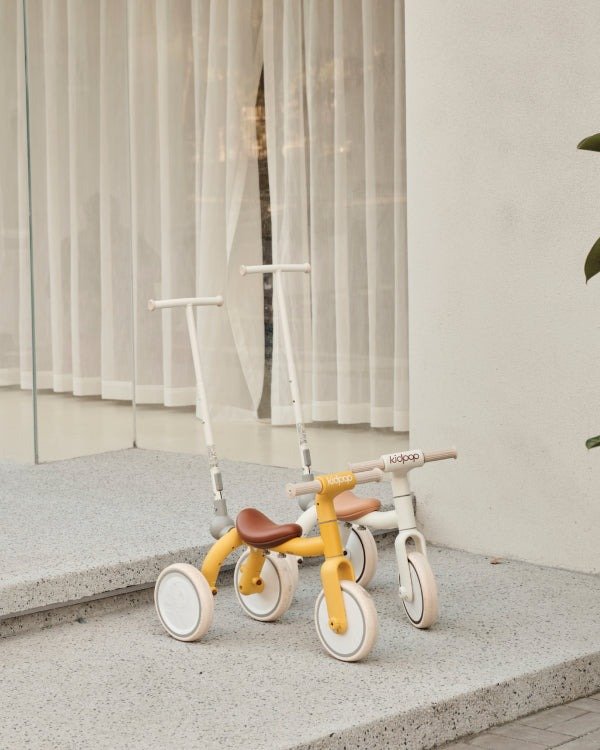
Frame geometry matters more than many parents realize. A low step-through design enables easy mounting and dismounting, reducing frustration and potential falls. The bike’s overall weight should never exceed 30% of your child’s body weight—ideally much less—ensuring they can maneuver, lift, and control it independently. Pneumatic tires offer superior shock absorption on varied terrain compared to foam alternatives, making rides smoother and more enjoyable. Rounded edges and protective padding on the handlebars prevent injuries during inevitable tumbles. Quality balance bikes incorporate durable construction that withstands outdoor elements and rough handling while maintaining a sleek profile that doesn’t overwhelm small riders with bulk or unnecessary components.
Lightweight Materials
Lightweight construction transforms a balance bike from cumbersome equipment into an extension of your toddler’s body. Aluminum frames represent the sweet spot for most families, offering remarkable strength-to-weight ratios typically between four to six pounds while resisting rust and weathering beautifully. High-end models utilize magnesium alloy or carbon fiber, shaving off additional ounces to create featherlight bikes under four pounds—particularly beneficial for smaller or younger toddlers still developing muscle strength. Even wooden balance bikes, when properly engineered with birch or beech, can achieve competitive weights around seven pounds while providing natural aesthetics and environmental benefits.
Safety Features
Essential safety elements begin with handlebar limiters that prevent over-rotation, protecting little fingers from getting pinched and reducing the severity of falls. While many balance bikes omit brakes intentionally—allowing toddlers to stop naturally with their feet—models designed for older or more adventurous riders benefit from easy-squeeze hand brakes that introduce braking concepts gently. Non-slip footrests positioned strategically give children a place to rest their feet during gliding, promoting proper posture. Always pair any balance bike with a properly fitted helmet, knee pads, and elbow pads during initial learning phases, and inspect all bolts and attachments monthly to ensure nothing has loosened through regular use.
Top Choices for Lightweight Balance Bikes
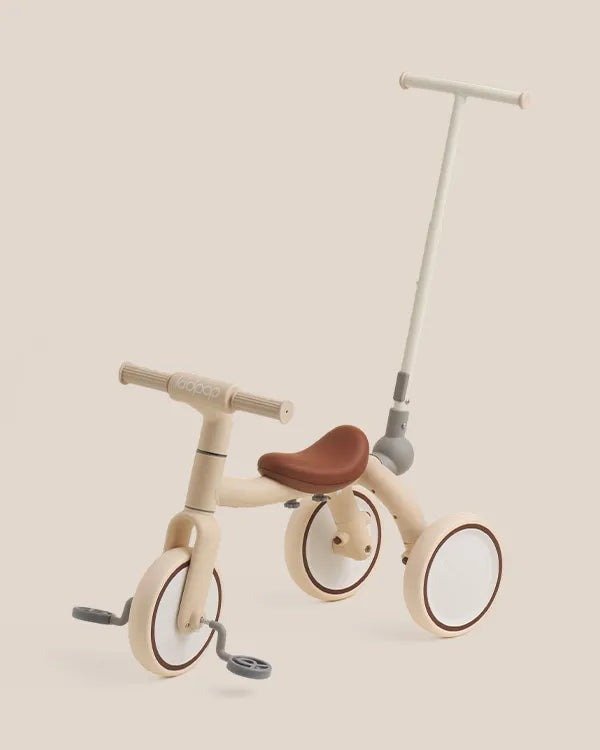
The market offers exceptional lightweight balance bikes that combine innovative engineering with toddler-friendly designs. Models weighing between 4-7 pounds dominate the premium segment, featuring aluminum frames with tool-free seat adjustments that grow alongside your child from ages two through five. Many top-rated options incorporate puncture-proof EVA foam tires that eliminate maintenance hassles while maintaining adequate traction on sidewalks and grass. Some standout bikes feature quick-release clamps for seat height changes, allowing adjustments in seconds as your toddler grows.
Contemporary designs emphasize both functionality and aesthetics, with powder-coated frames in vibrant colors that resist scratches and weather damage. Several leading models include integrated footrests with textured surfaces, encouraging proper gliding posture once children master the basics. The best lightweight options balance minimalist construction with thoughtful details—reinforced welds at stress points, sealed bearings for smooth steering, and ergonomic grips sized specifically for toddler hands. Parents particularly appreciate models with limited steering angles that prevent jackknifing during sharp turns, reducing falls while children develop coordination. Quality manufacturers like Kidpop back their lightweight bikes with multi-year warranties, reflecting confidence in durability despite the reduced weight, and many offer replacement parts to extend the bike’s lifespan through multiple children or years of enthusiastic outdoor exploration.
Adventure Bike Models
Adventure-themed balance bikes transform ordinary riding into imaginative journeys, featuring designs inspired by motorcycles, mountain bikes, and even retro cruisers. These models often incorporate decorative elements like faux fuel tanks, racing numbers, or rugged tire treads that capture toddlers’ fascination with vehicles. The adventure aesthetic encourages extended outdoor play sessions as children role-play as explorers or racers. Beyond visual appeal, these bikes typically include slightly wider tires for enhanced stability on uneven terrain, empowering young riders to confidently tackle grass, gravel paths, and gentle slopes while their imaginations soar.
Comfy Bike Seats
Seat comfort directly impacts how long toddlers willingly practice riding. Premium balance bikes feature contoured saddles with dense foam padding covered in water-resistant vinyl or vegan leather that wipes clean easily after muddy adventures. Ergonomically shaped seats support proper posture without creating pressure points, while slightly raised rear sections prevent sliding backward during enthusiastic pushing. Some innovative designs incorporate ventilation channels to reduce heat buildup during summer rides. Wide seat profiles distribute weight evenly, and gentle curves accommodate the natural shape of toddler bodies, ensuring comfort during both short neighborhood trips and extended park explorations that build lasting riding skills.
Making the Right Choice for Your Toddler
Selecting the right lightweight balance bike sets the foundation for your toddler’s cycling journey and outdoor confidence. Prioritize models weighing under seven pounds with adjustable components that accommodate growth, ensuring years of use rather than months. Safety features like handlebar limiters, non-slip footrests, and quality construction should never be compromised for aesthetics alone, though vibrant designs that spark your child’s imagination certainly enhance enthusiasm for practice sessions.
For parents beginning this search, start by measuring your child’s inseam and comparing it against manufacturer specifications to guarantee proper fit from day one. Test the bike’s weight yourself—if it feels cumbersome to you, it will overwhelm your toddler. Invest in protective gear simultaneously, establishing helmet-wearing as a non-negotiable habit from the first ride. Remember that the best balance bike is one your child actually wants to ride; involve them in choosing colors or themes when possible. With the right lightweight balance bike, you’re not just purchasing equipment—you’re gifting independence, physical development, and countless joyful hours of exploration that build skills extending far beyond cycling itself.