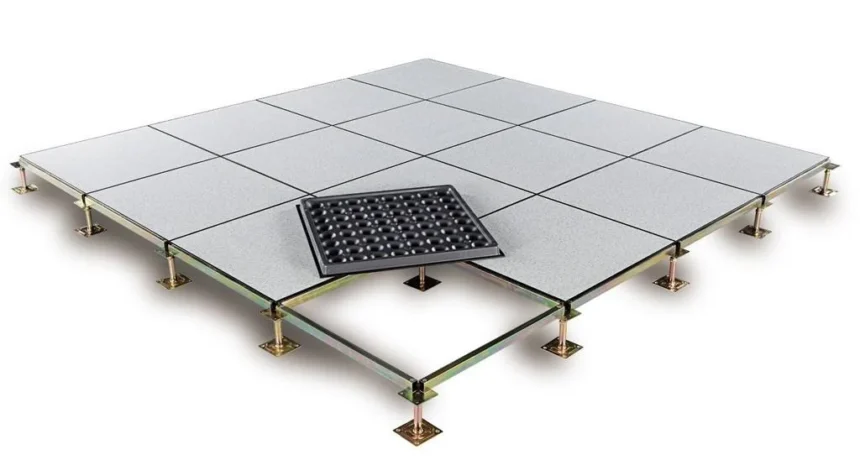
When it comes to modern building design, the choices we make can significantly impact functionality and aesthetics. Enter raised floors—an innovative solution that has transformed how spaces are used and optimized. These elevated structures not only enhance accessibility but also provide a practical method for managing electrical wiring, air circulation, and plumbing systems beneath the surface.
Imagine walking into an office where you can easily rearrange workstations without worrying about cluttered cables or uneven flooring. Raised floors offer this flexibility and more. They create a seamless environment that’s both stylish and functional, making them a go-to choice for architects, designers, and builders alike.
As we delve deeper into the world of raised floor materials, we’ll explore their numerous benefits and various types available on the market today. Whether you’re involved in construction or simply curious about innovative building solutions, there’s much to discover about this game-changing feature in architectural design.
Benefits of Raised Floors in Building Design
Raised floors offer a versatile solution for modern building designs. They create an accessible space beneath the flooring, allowing for efficient management of electrical and data cabling.
One significant advantage is improved air circulation. This can enhance HVAC efficiency, making spaces more comfortable without excessive energy use.
Flexibility is another key benefit. As technology evolves, businesses often need to adapt their layouts quickly. Raised floors make it easier to reconfigure spaces without major renovations.
Additionally, these systems contribute to aesthetic appeal. They allow designers to hide unsightly wires and ducts while maintaining a clean look throughout the environment.
Raised floors provide sound insulation benefits, reducing noise transmission between levels in multi-story buildings. This promotes a quieter and more productive workspace for everyone involved.
Types of Raised Floor Materials
When it comes to raised floors, the choice of materials is crucial. Each type offers distinct advantages suited for different environments.
Steel panels are popular for their strength and durability. They can withstand heavy loads, making them ideal in commercial settings.
Wood core panels provide a warmer aesthetic. They blend well into office spaces where design plays a significant role. Their natural look adds an inviting touch.
Concrete panels offer exceptional fire resistance and stability. They’re often used in data centers due to their high load-bearing capabilities.
Carpet tiles on top of raised floors enhance comfort underfoot while improving acoustics. This combination helps create quieter workspaces.
Composite materials combine various elements to meet specific needs. These options allow for versatility without compromising performance or appearance.
Comparison of Different Materials
When it comes to raised floors, the choice of material significantly impacts functionality and aesthetics. Popular options include steel, wood, and concrete.
Steel offers durability and strength. It can withstand heavy loads while providing a sleek look. This makes it ideal for commercial spaces that prioritize both performance and design.
Wood presents a warmer appearance, making it suitable for offices or retail environments where comfort matters. It’s lightweight but requires more maintenance than metal counterparts.
Concrete stands out in terms of stability and fire resistance. It’s perfect for areas with high foot traffic but may lack the aesthetic appeal some designers seek.
Each material brings its unique qualities to the table. Understanding these differences helps architects tailor designs that meet specific needs while enhancing overall space efficiency.
Factors to Consider When Choosing Raised Floor Materials
Choosing the right raised floor materials involves several key factors. Start with load-bearing capacity. The weight of equipment and foot traffic will dictate your material choice.
Next, consider durability. High-traffic areas require materials that can withstand wear and tear over time without losing integrity.
Aesthetic appeal is also crucial. Raised floors come in various finishes and colors, allowing you to harmonize them with your interior design.
Think about installation ease too. Some materials are easier to handle than others, which can save both time and labor costs during setup.
Factor in environmental considerations. Sustainable materials are increasingly popular as businesses strive for greener solutions while maintaining performance standards.
Case Studies: Successful Use of Raised Floors in Building Design
Case studies showcase the versatility of raised floors in various building designs. One notable example is a tech company headquarters that utilized raised flooring to accommodate extensive electrical and data cabling. This setup allowed for easy access while maintaining an uncluttered workspace.
Another inspiring case involved a university library where raised floors facilitated efficient climate control. The space benefited from improved air circulation, enhancing comfort for students and staff alike.
In a healthcare facility, raised floors were implemented to streamline cleaning processes and manage plumbing systems discreetly. This design choice not only optimized functionality but also contributed to creating a serene environment for patients and visitors.
These examples highlight how innovative use of raised floor systems can transform spaces across different industries, marrying aesthetics with practicality seamlessly. Each project demonstrates unique solutions tailored to specific needs while underscoring the adaptability of this architectural element within modern building design.
Maintenance and Care for Raised Floors
Maintaining raised floors is essential to ensure longevity and performance. Regular inspections help identify any signs of damage or wear early on. Check for loose tiles or panels that may disrupt the smooth operation of your space.
Cleaning is another critical aspect. Dust and debris can accumulate in the spaces beneath, so a routine vacuuming schedule is advisable. Use appropriate cleaning agents that won’t harm the flooring materials.
Pay attention to humidity levels as well; excess moisture can lead to mold growth under raised floors. Consider using dehumidifiers in areas prone to dampness.
Additionally, inspect cable management systems often. Keeping wires organized not only enhances aesthetics but also prevents potential hazards associated with tangled cables.
By incorporating these maintenance practices into your schedule, you can significantly extend the lifespan of your raised floor system while ensuring it remains functional and visually appealing.
Future Innovations in Raised Floor Materials
The future of raised floor materials is poised for exciting innovations. Advances in technology are paving the way for more sustainable options. Eco-friendly materials will likely become commonplace, reducing environmental impact.
Smart flooring systems are emerging as a game-changer. These integrate sensors that monitor temperature, humidity, and even occupancy levels. This data can help optimize energy efficiency in commercial spaces.
Moreover, modular designs may gain traction. They allow for easy reconfiguration based on changing needs without extensive renovations.
Another aspect to watch is the use of recycled materials in raised floors. This trend not only promotes sustainability but also enhances durability and aesthetics.
As industries seek adaptability, the demand for lightweight yet strong materials will grow. The blend of performance and design will redefine how we view flooring solutions in modern architecture.
Conclusion
Raised floors are an integral part of modern building design. They offer significant advantages, such as improved airflow and easier access to electrical and data cabling. The variety of materials available allows architects and builders to choose the best fit for their specific needs.
Each material comes with its own set of benefits and considerations. From high-pressure laminate to concrete, understanding these options is crucial in making informed decisions that enhance functionality without sacrificing aesthetics.
With trends leaning toward more sustainable practices, future innovations in raised floor technology may lead us into exciting new territory. As designs evolve, so too will the materials we use.
The success stories showcased illustrate how effective raised floors can be when incorporated thoughtfully into a space. Effective maintenance ensures longevity, making them a worthwhile investment for any project looking to blend utility with modern design elements.
Choosing the right raised floor system can transform a space beyond just aesthetics; it enhances usability while also preparing buildings for future upgrades or changes needed down the line.