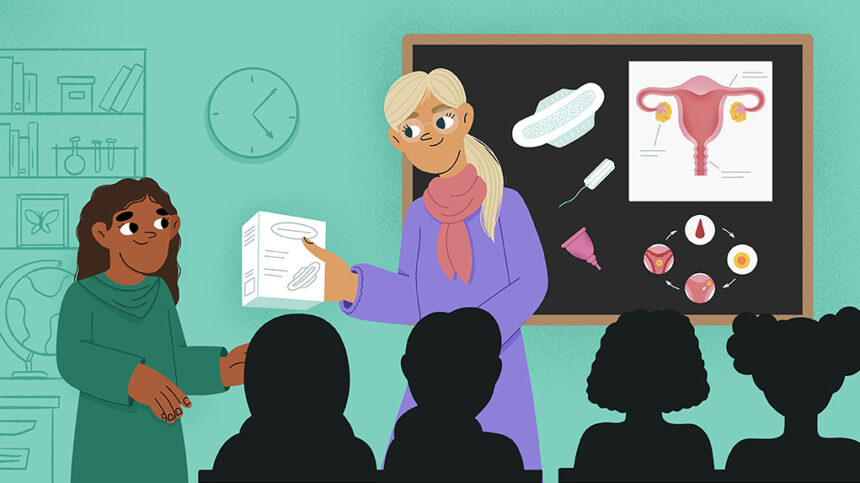
Periods don’t pause for deadlines, dorm life or tuition stress. Yet, for thousands of students navigating university life, menstrual health is still a silent burden – underfunded, under-discussed and surrounded by stigma.
At universities around the world, access to safe, sustainable and dignified period care is inconsistent at best. From lecture halls to libraries, students face avoidable interruptions in their education because of something as natural and regular as a menstrual cycle.
Menstrual health at university is not just a student welfare issue. It’s a question of equity, access and responsibility. And it’s time institutions paid attention.
Why Menstrual Health at University Deserves Urgent Attention
Periods aren’t a choice. Education shouldn’t feel conditional upon access to menstrual care.
Whether it’s missing class due to period pain with no support, feeling embarrassed to ask for a pad or using unsanitary alternatives due to a lack of resources, these aren’t just personal issues. They’re institutional failures.
Universities are uniquely positioned to lead the charge in menstrual equity. With access to large student populations, policy influence and existing health infrastructure, they can shift the norm from reactive aid to proactive care.
What’s often missing isn’t awareness but action backed by the right kind of product and delivery model: affordable, plastic-free, toxin-free period products distributed with dignity, not pity.
The Hidden Costs of Period Poverty on Campus
Period poverty isn’t just a phrase but a lived experience for thousands of university students who struggle silently each month. The statistics are sobering and they reveal the overlooked impact of inadequate menstrual support on student life, health and academic performance.
Here are the numbers and the realities behind them:
- A 2021 UK study found that one in ten students had been unable to afford period products at some point.
- In the US, 14.2% of college students reported struggling with period poverty in the previous year.
- Many report stretching a single pad for hours or missing university activities due to fear of leaks or lack of supplies.
These aren’t outliers. They’re common stories in shared bathrooms, dormitories and classrooms. And they reflect systemic neglect that goes beyond individual resilience.
Period poverty at university undermines academic performance, mental health and student dignity.
What Sustainable Menstrual Health Solutions Look Like
Here’s where most institutions get it wrong: they focus only on product availability, not sustainability or the experience of receiving care.
A sustainable menstrual health solution must:
- Use plastic-free, biodegradable materials that are safe for both body and planet.
- Be toxin-free, avoiding synthetic fragrances, bleaches or chemicals.
- Come with educational support so students understand menstrual health, not just manage it.
- Prioritise confidential, accessible delivery – no shame, no bureaucracy.
More universities are experimenting with “period pantries,” but bins stocked with conventional plastic-heavy products in campus bathrooms don’t solve the bigger problem. Often, they run out. No one maintains them. And the shame of grabbing a product in front of peers still lingers.
A better model? Impact-driven partnerships that distribute sustainable products through campus health centres, student unions or even discreet monthly subscription models, combined with education initiatives.
Real-World Example: University-Led Change in Action
At a London-based university, a pilot project provided plastic-free pads and tampons in dormitories, libraries and clinics. These were delivered in unbranded, eco-friendly packaging, with QR codes linking to menstrual health resources.
The results?
- 92% of participants said they felt more respected by their institution.
- 74% reported attending more classes due to easier access.
- The project received widespread student support and is now expanding across multiple campuses.
The lesson: when period care is dignified, accessible and sustainable, student outcomes improve, both emotionally and academically.
Creating an Inclusive Menstrual Health Culture on Campus
Menstrual health doesn’t only affect cisgender women. Trans and non-binary students menstruate too, often facing higher levels of stigma or alienation when accessing menstrual products in gendered spaces.
Universities must make inclusive period care part of the standard conversation, not a footnote in diversity brochures. This means:
- Providing products in all bathrooms, not just female-assigned ones.
- Using inclusive language in signage and resources (“people who menstruate” instead of “women”).
- Training campus staff and RA teams to support students compassionately.
- Encouraging student-led advocacy and listening to what students need.
Making Sustainable Period Care the Institutional Norm
Sustainability isn’t just about product materials. It’s about the whole supply chain, distribution method and long-term model of support.
Here’s how universities can build a lasting, impactful menstrual care programme:
- Partner with ethical providers: Choose vendors offering biodegradable, plastic-free and ethically made period products.
- Embed menstrual health in student wellness programmes: Make menstrual care part of broader wellness efforts – link it to mental health, nutrition and stress management resources.
- Collect feedback regularly: Involve students in shaping the programme. Run surveys. Encourage open conversation.
- Educate through content, not just handouts: Use email newsletters, social media or posters with QR codes to provide ongoing education.
- Treat menstrual products as essential, not optional: They should be budgeted like toilet paper or soap, because they’re just as necessary.
Beyond Products: Educating for Long-Term Impact
An often overlooked element of menstrual equity is menstrual literacy. Many students, especially international or first-gen students, arrive at university with a limited understanding of their own cycles, symptoms or rights.
Universities can step up by:
- Hosting open forums or workshops on menstrual health.
- Providing multilingual resources on cycle tracking, nutrition and menstrual disorders.
- Collaborating with medical professionals to debunk myths around PCOS, endometriosis and more.
When students understand their bodies, they can advocate for themselves and others.
Menstrual health education is empowerment in its purest form.
A Quiet Revolution, One Pad at a Time
There’s nothing niche about menstrual health. It affects nearly half the student body. Yet, for too long, it’s been whispered about, underfunded or wrapped in shame. Universities have the chance to flip the script – not with token initiatives, but with lasting, impact-driven solutions that prioritise access, dignity and sustainability.
By rethinking how and what we provide to students, we don’t just manage periods. We respect them. Menstrual health at university isn’t just a hygiene issue. It’s a social, environmental and educational priority. And the time to act is now.