Introduction to Piers Foundations
When it comes to constructing stable and enduring buildings, the foundation is everything. Imagine a towering skyscraper or a cozy home—what keeps them standing strong against the forces of nature? Enter piers foundations. These unsung heroes of construction play a crucial role in ensuring that our structures remain upright and secure, regardless of soil conditions or shifting landscapes.
Piers are not just simple supports; they are engineered solutions designed to distribute weight safely and effectively. With their unique design, they provide stability where traditional foundations might falter. Whether you’re building in an area prone to flooding or on rocky terrain, understanding how piers work can make all the difference for your project.
Let’s explore what makes pier foundations such an essential element in modern construction practices!
What Are Piers and How Do They Work?
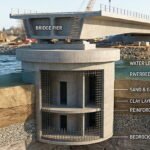
Piers are specialized structural elements that provide crucial support for buildings and other structures. They transfer loads from the superstructure down to a stable foundation, often penetrating unstable soil layers.
These foundational supports can be made of concrete, steel, or timber. The choice depends on the specific requirements of a project and local soil conditions.
The function of piers is straightforward yet effective. By extending deep into the ground, they reach load-bearing strata that can handle substantial weight. This depth also helps mitigate issues like settling or shifting due to moisture changes in surrounding soils.
As a result, piers play an essential role in maintaining stability over time. Whether supporting residential homes or towering skyscrapers, they ensure that structures remain safe and secure against environmental forces.
Benefits of Using Piers for Building Stability
Piers foundations offer numerous advantages for ensuring the stability of buildings. One significant benefit is their ability to transfer loads effectively. They distribute weight over a larger area, reducing stress on the soil beneath.
Another key advantage is their versatility. Piers can be installed in various soil conditions, making them suitable for diverse geographic locations. This adaptability ensures that even challenging terrains can support robust structures.
Moreover, piers enhance resistance against shifting soils and flooding. By elevating buildings above potential water levels and unstable ground, they help mitigate risks associated with environmental changes.
Additionally, these foundations require less excavation compared to traditional methods. This not only saves time but also reduces costs related to labor and materials.
Durability is another compelling reason to choose piers. Their design allows for long-lasting performance with minimal maintenance needs over time.
Types of Piers: Helical, Driven, and Drilled
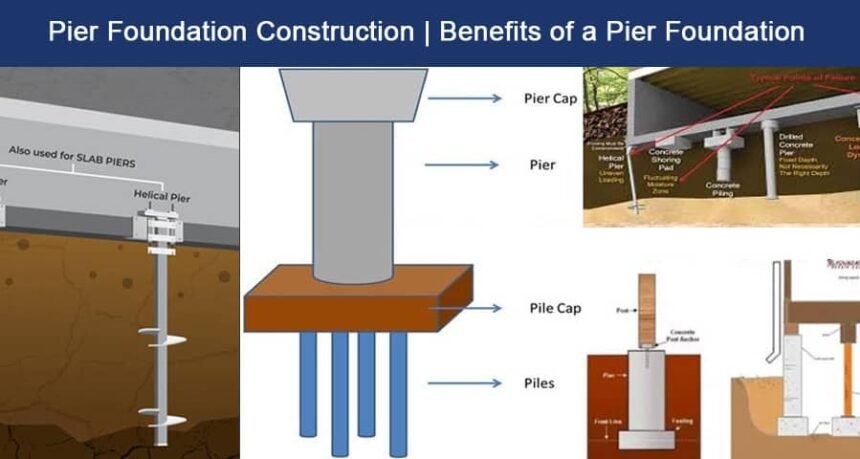
Piers come in various types, each designed for specific soil conditions and structural needs. Helical piers are a popular choice due to their spiral design. They screw into the ground, providing excellent load-bearing capacity while minimizing disturbance to surrounding soil.
Driven piers, on the other hand, are steel or concrete columns hammered deep into the earth. This method is effective for reaching stable strata quickly and is often used in areas with challenging surface conditions.
Drilled piers involve boring a hole into the ground before inserting reinforced concrete. This technique allows for precise placement and is ideal when dealing with expansive soils or significant weights.
Choosing the right type of pier ensures optimal support for your building’s foundation. Each option has unique advantages that cater to different construction requirements and environmental factors.
Factors That Influence the Use of Piers in Construction
Several factors influence the decision to use piers in construction. Soil conditions play a crucial role. Different soil types, like clay or sand, can affect stability and load-bearing capacity.
The weight of the structure is another significant consideration. Heavier buildings often require more robust support systems, making piers an ideal choice for distributing loads effectively.
Environmental factors also impact pier selection. Areas prone to flooding, erosion, or seismic activity may necessitate specialized designs that enhance resilience.
Local building codes and regulations must be taken into account as well. These guidelines dictate specific requirements for foundation systems based on regional risks and standards.
Project budget limitations can determine whether piers are feasible compared to other foundation methods. Balancing cost with structural integrity is essential for successful construction outcomes.
Common Applications of Piers Foundations in Different Structures
Piers foundations are versatile and find applications in various structures. They are commonly used for residential homes, especially those built on uneven or unstable soil. By elevating the structure, piers help prevent water damage and foundation settling.
Commercial buildings also benefit from pier systems. Tall office complexes often require robust support to handle heavy loads. Piers provide that strength while ensuring stability over time.
Bridges frequently utilize pier foundations as well. The massive weight of vehicles demands a solid base, which piers deliver effectively, even in challenging environments.
In addition to these uses, piers can be found beneath industrial facilities and warehouses. Their ability to accommodate fluctuating loads makes them ideal for such settings where equipment varies widely in weight and configuration.
Even light rail systems rely on piers to elevate tracks above ground level, providing safe passage through urban areas without disrupting traffic below.
Maintenance and Inspection Recommendations for Piers Foundations
Regular maintenance and inspection are crucial for the longevity of piers foundations. Scheduling annual check-ups can help detect any potential issues before they become serious.
During inspections, look for signs of settlement or shifting. Cracks in the structure may indicate underlying problems. It’s also essential to assess soil conditions around the piers; changes in moisture levels can affect stability.
Additionally, verify that drainage systems are functioning properly. Poor drainage can lead to erosion or water accumulation, compromising foundation integrity over time.
If any anomalies are detected during inspections, consult a professional immediately. They can provide recommendations tailored to your specific situation.
Investing time in maintenance not only enhances safety but also extends the lifespan of your building’s foundation system. Regular upkeep ensures that you maintain peace of mind regarding structural stability and safety.
Conclusion
When it comes to ensuring the stability of buildings, pier foundations play an essential role. They provide a reliable support system that can withstand various environmental conditions and loads. By understanding how piers function and their benefits, property owners can make informed decisions about construction methods.
From helical to driven and drilled piers, each type offers unique advantages suitable for different terrains and structures. The choice of pier depends on factors such as soil condition, building weight, and local climate. Proper maintenance and regular inspections are vital in preserving the integrity of these foundations over time.
Whether you’re looking at residential homes or commercial buildings, piers contribute significantly to structural safety. Their ability to transfer loads deep into stable soil makes them invaluable in construction projects across diverse settings. Embracing this foundational technology not only enhances durability but also promotes long-term peace of mind for builders and homeowners alike.