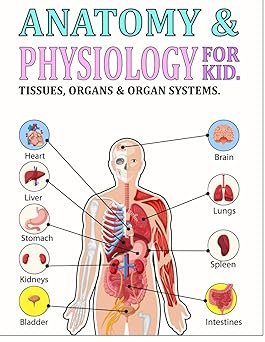
Introduction to Anatomy and Physiology
Anatomy and physiology are the twin pillars of biological science, unraveling the intricate mysteries of the human body. From understanding how our muscles contract to exploring how organs work together in harmony, these fields provide a gateway into what makes us tick. Whether you’re a student diving into medical studies or simply curious about your own body, grasping these concepts can spark a lifelong fascination. Join us as we explore the remarkable structure and function of our anatomy and physiology, shedding light on how each part plays its vital role in maintaining life. Let’s embark on this enlightening journey together!
The Human Body: Structure and Function
The human body is a remarkable structure composed of various systems that work in harmony. Each system has specific functions, contributing to overall health and vitality.
At the core are cells, the building blocks of life. They form tissues, which then come together to create organs. This intricate arrangement allows for specialized roles within each organ.
Bones provide support and shape, while muscles enable movement. The circulatory system transports blood and nutrients throughout the body, ensuring every cell receives what it needs.
Nerves transmit signals between the brain and different parts of the body. This communication network plays a crucial role in how we react to our environment.
Understanding this complex interplay helps us appreciate not just how we function but also why maintaining our health is essential. Every aspect—from microscopic cells to major organ systems—works together seamlessly, demonstrating nature’s incredible design.
Major Organ Systems of the Body
The human body is a complex machine composed of various organ systems, each working harmoniously to maintain life.
One of the most recognized systems is the circulatory system, responsible for transporting oxygen and nutrients throughout the body. The heart plays a central role here, pumping blood through an intricate network of vessels.
Next, we have the respiratory system. This system allows us to breathe in oxygen and expel carbon dioxide. The lungs are vital organs that facilitate this gas exchange.
The digestive system breaks down food into essential nutrients. From ingestion to elimination, it involves multiple organs such as the stomach and intestines working together seamlessly.
Don’t overlook the nervous system either; it controls all bodily functions by transmitting signals between different parts of the body via neurons.
There’s the musculoskeletal system which provides structure and enables movement through bones and muscles. Each organ system contributes uniquely but relies heavily on one another for overall health.
Common Terminologies in Anatomy and Physiology
Understanding common terminologies in anatomy and physiology is essential for anyone delving into the study of the human body. These terms help communicate complex ideas succinctly.
For instance, “anterior” refers to structures located toward the front of the body, while “posterior” indicates those at the back. Similarly, “superior” means above or higher up, whereas “inferior” signifies a position lower down.
Directional terms are just one aspect. Terms like “cells,” “tissues,” and “organs” describe different levels of organization within our bodies. Each plays a unique role in maintaining overall health and function.
Additionally, understanding prefixes and suffixes can clarify meanings further. For example, “-itis” denotes inflammation as seen in arthritis or tendinitis. Grasping these foundational terms equips you with language that enhances comprehension of both anatomy and physiology concepts.
Key Concepts in Physiology
Understanding key concepts in physiology provides insight into how our bodies function daily. Homeostasis is one of the most critical principles, referring to the body’s ability to maintain a stable internal environment despite external changes.
Another essential concept is metabolism, which encompasses all biochemical processes that occur within us. These include catabolism and anabolism, both vital for energy production and growth.
Furthermore, cellular communication plays a crucial role in physiological functions. Hormones and neurotransmitters act as messengers that coordinate activities across different systems.
Additionally, feedback loops are pivotal in regulating bodily functions. Negative feedback mechanisms help restore balance when deviations occur, while positive feedback can amplify certain processes until a specific outcome is achieved.
These foundational ideas not only deepen our understanding but also highlight the complexity of life itself. Every system relies on these principles to ensure harmony within the human body.
The Importance of Understanding Anatomy and Physiology
Understanding anatomy and physiology is crucial for several reasons. It lays the foundation for health education, enabling individuals to make informed decisions about their well-being.
Knowledge of how the body works helps in recognizing signs and symptoms of various conditions. This awareness can lead to timely medical interventions, potentially saving lives.
In addition, a solid grasp of these subjects fosters better communication between patients and healthcare providers. When patients understand their bodies, they are more likely to ask pertinent questions and engage in discussions about treatment options.
Furthermore, anatomy and physiology play significant roles in fitness and nutrition. Athletes who comprehend muscle function can optimize their training routines effectively.
This understanding also aids caregivers by equipping them with essential skills needed for supporting others during illness or recovery. It empowers individuals through knowledge that impacts daily living significantly.
Conclusion
Understanding anatomy and physiology is essential for anyone interested in the human body. These two fields offer insights into how our bodies are structured and how they function. Familiarity with major organ systems helps us appreciate the complexity of life.
Knowledge of common terminologies enhances communication among healthcare professionals, while key concepts in physiology provide a foundation for understanding health and disease.
As we delve deeper into these sciences, we unlock the mysteries behind body mechanics, paving the way for advancements in medicine and personal wellness.
Anatomy and physiology are not just subjects to study; they influence our daily lives. By grasping their principles, we empower ourselves to make informed decisions about health care and lifestyle choices. This journey through the marvels of human biology continues to inspire curiosity and respect for the intricate design that sustains us all.