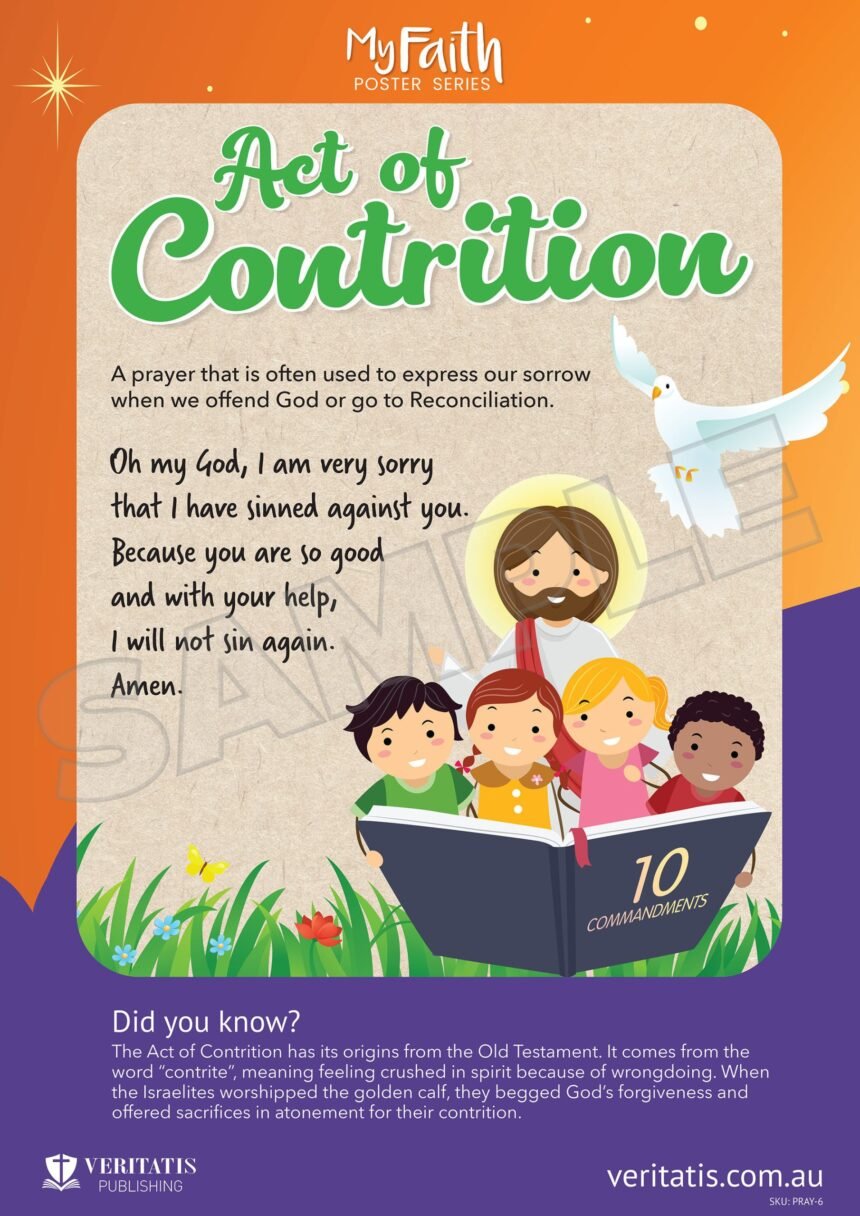
Prayer has always been a vital part of spiritual life, serving as a bridge between the faithful and the divine. Among these sacred expressions is the Act of Contrition, a heartfelt acknowledgment of sinfulness and an earnest plea for mercy. It’s not just words recited in times of need; it’s an intimate dialogue with God that resonates deeply within many hearts.
For those who may be unfamiliar or seeking to deepen their understanding, this prayer carries profound meaning and history. Whether you’re preparing for confession or simply looking to foster your relationship with God, grasping its essence can enhance your spiritual journey. Join me as we explore what the Act of Contrition truly represents—its origins, significance, variations, and how to incorporate it into your daily practice effectively. Your path toward reconciliation might just begin here!
What is the Act of Contrition?
The Act of Contrition is a traditional Catholic prayer that expresses sorrow for sins. It embodies a deep sense of remorse and a longing for forgiveness from God.
Typically recited during confession, it serves as an essential step in the sacrament of reconciliation. The prayer emphasizes genuine contrition—a heartfelt regret for wrongdoing coupled with the intention to amend one’s life.
This simple yet powerful expression encapsulates themes of humility and repentance. By acknowledging our faults, we open ourselves to healing grace and spiritual renewal.
Although often associated with formal rituals, many find solace in this prayer during personal moments of reflection or distress. At its core, the Act of Contrition invites believers to confront their shortcomings while reinforcing their desire for divine mercy and love.
History and origins of the prayer
The Act of Contrition has deep roots in the Christian tradition. Its origins can be traced back to the early Church, where penitential prayers were essential for those seeking forgiveness.
During the medieval period, written forms began to emerge. These early versions focused on expressing sorrow for sins and a desire for reconciliation with God. The prayer evolved alongside theological developments, reflecting changing attitudes toward repentance.
Latin played a significant role in shaping its structure as it became widely used in liturgical practices. Various translations surfaced over time, each emphasizing different aspects of contrition.
By the Council of Trent in the 16th century, standardized versions gained traction within Catholicism. This led to greater accessibility and familiarity among believers seeking spiritual renewal through this heartfelt expression of remorse.
The purpose and significance of the Act of Contrition
The Act of Contrition serves as a heartfelt expression of sorrow for sins. This prayer invites believers to confront their shortcomings and seek forgiveness from God.
By acknowledging personal failings, individuals cultivate humility. This act of contrition fosters spiritual growth and deepens one’s relationship with the divine.
Moreover, it emphasizes the importance of repentance in Catholic faith. Through this confession, practitioners reaffirm their commitment to live righteously.
It also cultivates a sense of accountability within the community. As people come together in shared experiences of remorse, they support one another on their journeys toward redemption.
The Act is not merely about regret; it’s an invitation to transformation. It encourages believers to embrace change and strive for a more virtuous life moving forward.
Different versions and translations of the prayer
The Act of Contrition has various versions that cater to different liturgical traditions and linguistic backgrounds.
One widely recognized English version begins with, “O my God, I am heartily sorry for having offended Thee.” This expression emphasizes personal remorse and a deep desire for reconciliation.
In the Catholic tradition, you might also encounter more formal translations. These often maintain traditional phrasing rooted in centuries-old texts.
Spanish-speaking Catholics have their own rendition: “Oh Dios mío, me arrepiento de todo corazón.” This captures the same essence of sorrow and longing for forgiveness.
Many communities adapt these prayers further. They aim to resonate with their unique cultural contexts while preserving the core message of contrition.
Each translation holds its beauty and offers a distinct flavor to this timeless prayer. Whether spoken softly or recited in community gatherings, they all convey the universal need for grace.
Step-by-step guide on how to pray the Act of Contrition
Begin by finding a quiet space where you can focus. This will help you center your thoughts and intentions.
Start with an open heart. Acknowledge your feelings of regret or sorrow for any wrongs you’ve committed.
Next, use the traditional wording of the Act of Contrition or choose one that resonates with you personally. Speak it aloud or in silence—whichever feels right.
As you pray, reflect on each line’s meaning. Contemplate how your actions affect others and yourself.
Consider incorporating moments of silence between phrases. This allows time for introspection and deeper connection to the prayer’s essence.
Conclude by expressing a sincere desire to make amends and improve moving forward. Embrace this as a transformative experience rather than just routine recitation.
Common misconceptions and misunderstandings about the prayer
Many people associate the Act of Contrition solely with confession. While it is often recited in that context, its purpose extends far beyond. It serves as a heartfelt expression of remorse for one’s sins, regardless of whether one is preparing for sacramental reconciliation.
Another common misconception is that the prayer must be said perfectly to be effective. In reality, what matters most is sincerity and authenticity in your words. God values a contrite heart more than flawless recitation.
Some also think the Act of Contrition has to follow rigid guidelines or specific wording. However, many different versions exist, allowing individuals to connect with their spirituality in ways that resonate personally.
Many believe this prayer is only for serious sinners. The Act of Contrition can benefit anyone seeking spiritual growth or healing, making it universally relevant within the faith journey.
Personal experiences and reflections on praying the Act of Contrition
Praying the Act of Contrition has often brought me a sense of peace. Each time I recite it, I feel a weight lift off my shoulders. It’s as if I’m releasing burdens I’ve carried too long.
In moments of vulnerability, this prayer becomes my refuge. The words resonate deeply during times of guilt or uncertainty. They remind me that seeking forgiveness is an essential part of growth.
I’ve noticed that when I pray sincerely, something inside shifts. It’s not just about asking for pardon; it’s also about acknowledging my shortcomings and committing to change.
Sharing this experience with others can be powerful too. Hearing their reflections on the same prayer deepens its significance for me and creates a bond rooted in shared struggles and hopes.
The Act of Contrition transforms from mere words into an intimate dialogue with God, marking each moment as an opportunity for renewal and grace.
Conclusion
The Act of Contrition serves as a powerful moment for reflection and repentance. This prayer is not just a set of words; it’s an invitation to acknowledge our shortcomings and seek forgiveness. Through its history, we see how it has been embraced by individuals seeking spiritual growth.
Many versions exist, each capturing the essence of remorse and desire for reconciliation with God. The step-by-step guide offers clarity on how to engage with this sacred practice, making it accessible for everyone.
While misconceptions may abound regarding its importance or method, understanding the true nature of the Act can deepen one’s faith journey. Personal experiences shared around this prayer reveal its profound impact on many lives.
Embracing the Act of Contrition can foster healing and transformation in our hearts. As you incorporate this prayer into your routine, consider what it might mean for your spiritual life moving forward. It opens doors to grace—something we all need at different moments in our lives.