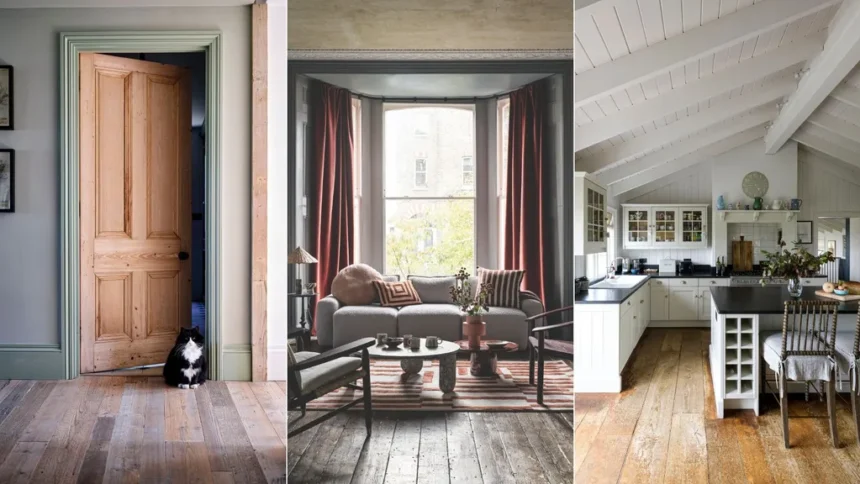
Are you tired of feeling like you’re walking on a rollercoaster inside your own home? Uneven floors can disrupt the flow of daily life and make even the simplest tasks seem daunting. Whether you’re trying to balance a glass of water or arrange your furniture, noticing those pesky slants and slopes can be frustrating. But what really causes these uneven floors in houses? In this blog post, we’ll dive into the signs that indicate something might be off beneath your feet, explore common causes and solutions, and discuss when it’s time to call in the experts. Let’s get started on reclaiming that level ground!
What causes uneven floors in houses?
Uneven floors in houses often stem from a variety of underlying issues. One significant cause is settling. When a home settles, the foundation can shift, leading to noticeable dips or slopes.
Another culprit could be moisture problems. Excess water can weaken the soil beneath your home, causing concrete slabs to sink or warp over time. This is especially common in areas with heavy rainfall or poor drainage systems.
Additionally, aging materials play a role. Wooden beams and joists may rot or warp due to age or insect damage, resulting in uneven surfaces above them.
Improper installation of flooring can contribute to this issue as well. If not installed correctly, certain types of flooring are more prone to shifting than others, further exacerbating the problem. Understanding these causes is crucial for addressing any floor irregularities effectively.
Signs of Uneven Floors
Uneven floors can be a subtle yet telling sign of deeper issues in your home. One common indicator is the feeling of sloping when you walk. If you notice that one part of the room feels lower than another, it’s time to take a closer look.
Doors and windows may also struggle to open or close smoothly. This misalignment often results from shifting foundations causing pressure on the frames.
You might spot gaps between baseboards and floors too. These spaces can indicate that settling has occurred, leading to visible separations over time.
Look for cracks in walls or ceilings as well. They often appear along corners or at joints where structural changes have taken place due to unevenness below.
If your furniture seems unsteady or rocks back and forth, it’s another sign that something isn’t right with your flooring.
Common Causes and Solutions
Uneven floors in a house can stem from various issues. One common cause is settling soil beneath the foundation. Over time, moisture changes and shifting earth can lead to structural shifts.
Another frequent culprit is water damage. Leaks or flooding can weaken flooring materials and affect their alignment. It’s crucial to address any plumbing issues promptly to avoid further complications.
Aging homes often experience wear and tear in their support beams. If these wooden structures rot or warp, they may no longer provide adequate support for your floors.
Solutions vary based on the specific issue at hand. For minor settling, mudjacking can help lift and stabilize concrete floors. In cases of wood rot, replacing damaged beams might be necessary.
Regular maintenance checks are essential too. Keeping an eye on plumbing systems and addressing leaks early helps prevent significant damage down the road.
Prevention Tips for Uneven Floors
Preventing uneven floors in your house starts with regular maintenance. Keep an eye on your foundation and address any drainage issues around your home. Good drainage can help prevent soil erosion that might lead to settling.
Regularly inspect for leaks or water damage, especially in basements and crawl spaces. Moisture can weaken structures over time, causing those pesky dips and rises.
Consider using moisture barriers if you live in a humid area. These barriers protect the integrity of your flooring by reducing excess moisture exposure.
Additionally, ensure proper insulation within walls and around pipes. This action helps maintain temperature stability, which is essential for preventing structural shifts.
Choose quality materials when renovating or building new spaces. Investing upfront can save future headaches related to uneven floors.
DIY Fixes for Minor Uneven Floors
If you’re dealing with minor uneven floors in your house, there are some simple DIY fixes to consider. Start by identifying the problem areas. Use a level to check which sections need adjustment.
For small dips or low spots, self-leveling compounds can be an easy solution. These products fill in gaps and create a smooth surface. Just mix according to package instructions and pour it into the affected area.
For slightly raised spots, sanding down high points may help. Use a sander for precision and follow up with a vacuum to clear dust afterward.
Another option is adding shims under furniture legs or appliances that sit on uneven flooring. This technique helps balance things out without major renovations.
Remember, these methods work best for minor issues. For significant problems, further investigation might be necessary before taking action.
When to Hire a Professional
If you’re dealing with uneven floors in your house and the situation seems out of hand, it might be time to call in a professional.
When you notice significant dips or slopes that affect multiple rooms, this could indicate serious structural issues. A trained eye can assess the problem more accurately than a DIY approach.
Additionally, if you’ve tried your own fixes but nothing has worked, don’t hesitate to seek expert help. Professionals have experience and tools that make repairs much more efficient.
It’s also wise to reach out if you see cracks in walls or ceilings alongside your flooring issues. These signs often suggest deeper problems with your home’s foundation.
If you’re uncertain about assessing the problem yourself due to safety concerns or lack of knowledge, hiring a pro ensures peace of mind as they navigate potential hazards safely.
Conclusion
Uneven floors in a house can signify underlying issues that need attention. It’s essential to identify the signs early on, such as creaking sounds, gaps between floorboards, or visible slopes. Recognizing the common causes—like settling foundations, water damage, or pest infestations—can help you address problems before they escalate.
For prevention, regular maintenance and monitoring of your home’s structure are key. Simple DIY fixes can often remedy minor issues without breaking the bank. However, if you’re facing significant unevenness or structural concerns, seeking professional help is crucial for safety and long-term resolution.
Being proactive about your home’s condition will not only enhance its aesthetic appeal but also safeguard its value over time. Remember that addressing uneven floors promptly will lead to a more comfortable living environment for you and your family.