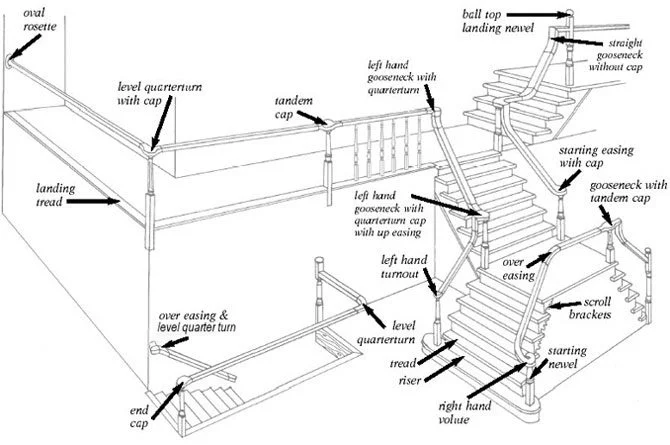
Introduction to Stair Components
Staircases are more than just a means to get from one level of your home to another. They serve as architectural focal points that blend functionality with style. Whether you’re stepping up to the second floor or descending into a cozy basement, understanding the components of your staircase can enhance both its safety and aesthetic appeal. This guide will break down stair components diagram with detailed diagrams, helping you grasp each part’s role in creating a sturdy and beautiful structure. From treads to handrails, let’s dive into what makes stairs not only functional but also an integral part of your home’s design!
Understanding the Basic Parts of a Staircase
A staircase is more than just a means to reach another level. It consists of several key components that work together seamlessly.
The tread is the horizontal part you step on. It’s crucial for safety and comfort. The riser, on the other hand, is the vertical section between each tread, giving structure and height to each step.
Handrails are essential for support as you ascend or descend. They provide stability and can be designed in various styles to complement your home’s aesthetic.
Stringers are often overlooked but play an important role; they are the diagonal supports that hold everything together. Without them, staircases would lack strength and durability.
Understanding these basic parts helps when planning a remodel or new construction. Each component contributes not only to functionality but also to design appeal in any space.
Types of Staircases and their Components
Staircases come in various styles, each with unique components that cater to different needs and aesthetics. Straight staircases are the simplest form, featuring a single flight of stairs without any turns. Their straightforward design allows for easy access between levels.
L-shaped staircases introduce a turn, making them ideal for corners or tight spaces. The landing serves as a transition point and adds visual interest.
U-shaped stairs create an elongated path with two flights connected by a landing at the base. This structure is perfect for larger homes where space permits.
Spiral staircases maximize vertical space while providing an artistic touch. They consist of treads wound around a central pole, offering both functionality and elegance.
Curved staircases add sophistication to any entryway. Their sweeping arcs require careful planning but result in stunning focal points within homes or public buildings. Each type showcases distinct components tailored to its design purpose.
Detailed Diagrams and Explanations for Each Component
A well-constructed staircase is an intricate blend of various components, each serving a distinct purpose. Understanding these parts through detailed diagrams helps clarify their functions.
Starting with the tread, this is the horizontal part of each step where you place your foot. It’s essential for safety and comfort during use. The riser, standing vertically between treads, provides height to each step and ensures a consistent rise throughout the staircase.
Next are stringers; they are the diagonal supports that hold up the treads and risers. These can be hidden or exposed depending on design preferences. Handrails enhance both security and style while balusters offer support without obstructing views.
Each diagram highlights these elements clearly, demonstrating how they interact within various designs – from traditional to contemporary styles. A visual understanding aids in grasping not just functionality but also aesthetic appeal in stair construction.
Common Materials Used for Stairs and Their Benefits
When it comes to stair materials, wood is a classic choice. Its warmth and natural beauty add charm to any space. Hardwood options like oak or maple are especially durable and can withstand heavy foot traffic.
Steel stairs, on the other hand, offer modern elegance. They’re strong and provide excellent support. Steel also requires minimal maintenance, making it a practical option for many homeowners.
Concrete is another popular material for outdoor stairs. It’s weather-resistant and can be molded into various designs, allowing for creativity in your landscaping.
Glass components are gaining popularity in contemporary designs. They create an open feel while providing safety when used as railings or treads.
Each material has its unique benefits that cater to different aesthetics and functional needs within homes or commercial spaces.
Maintenance Tips for Stair Components
Regular inspections are essential for keeping stair components in good shape. Look for signs of wear, such as loose treads or cracks in the railing.
Cleaning is equally important. Dust and dirt can accumulate on surfaces, making stairs slippery. Use a mild detergent and a damp cloth to wipe down railings and steps.
For wooden stairs, consider applying polish periodically to enhance their shine while protecting them from scratches. A wood conditioner can help maintain the finish over time.
Check metal components for rust or corrosion regularly. Applying a rust-inhibiting spray can prevent deterioration and extend their lifespan.
Pay attention to non-slip treatments on stair treads; they may need replacement after some time due to wear and tear. Keeping these surfaces safe is crucial for preventing slips and falls.
Don’t overlook lighting around your staircase area. Good illumination enhances safety by reducing shadows that could obscure hazards.
Conclusion
Stairs are essential elements in both residential and commercial spaces. Understanding the breakdown of stair components is vital for anyone involved in design, construction, or renovation. With a clear grasp of each part—from treads to risers—you can make informed decisions that enhance safety and aesthetics.
The variety of stair types means diverse materials and styles to choose from. Each component plays a crucial role not just functionally but also visually. Whether you’re opting for classic wood, sleek metal, or durable composites, choosing the right material impacts longevity and maintenance.
Regular upkeep ensures your stairs remain safe and inviting. Simple practices like checking for wear on handrails or cleaning surfaces can extend their life significantly.
By understanding these fundamental aspects of stair components through detailed diagrams and explanations, you empower yourself with knowledge that contributes to better decision-making in any project involving stairs.