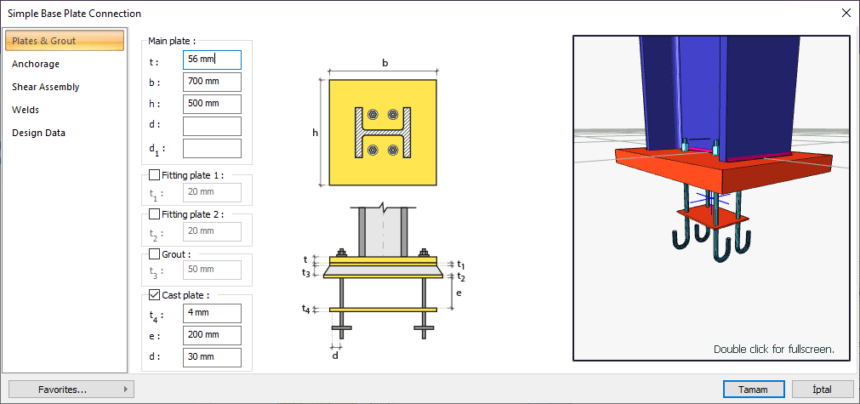
Introduction to Base Plate Design
Base plate design is a critical aspect of structural engineering that often goes unnoticed. Yet, it plays an essential role in ensuring the stability and safety of various constructions, from bridges to high-rise buildings. Understanding the nuances of base plate design can make all the difference in achieving durability and efficiency.
As we dive into this topic, we’ll explore different methods employed in designing these vital components. We’ll also look at how material selection impacts performance and longevity. Whether you’re an engineer or simply curious about construction practices, this guide will shed light on the key elements behind effective base plate design. Let’s embark on this journey together!
Different Methods for Base Plate Design
Base plate design is vital for structural stability. Various methods exist to ensure that these components effectively distribute loads.
One common approach involves the empirical method, which relies on established guidelines and formulas from standards. This technique allows engineers to quickly assess load capacities without extensive calculations.
Another method is finite element analysis (FEA). FEA uses computer simulations to model how the base plate will behave under different conditions. This provides a detailed understanding of stress distribution and potential failure points.
Then there’s the limit state design method, focusing on ensuring safety and usability throughout its life cycle. It considers various factors like material strength and environmental conditions.
Performance-based design emphasizes meeting specific functional requirements rather than adhering strictly to codes. This innovative approach allows for tailored solutions based on project needs while maintaining safety standards.
Factors to Consider in Material Selection
When selecting materials for base plate design, several factors come into play. First, the load-bearing capacity must be assessed. The material should withstand operational loads without deforming or failing.
Corrosion resistance is another crucial consideration. Depending on the environment, a material’s ability to resist rust and degradation can significantly impact longevity and safety.
Thermal conductivity also plays a role. Some applications may require materials that dissipate heat effectively to prevent overheating issues in machinery.
Cost-effectiveness cannot be overlooked. While high-performance materials might offer benefits, they must fit within budget constraints without compromising quality.
Weight considerations are essential for structural integrity and ease of installation. Lightweight options can facilitate handling but should not sacrifice durability or strength in demanding environments.
Types of Materials Used for Base Plate Design
Base plates play a crucial role in the stability of structural systems. Selecting the right material is vital for performance and longevity.
Steel is one of the most common choices. Its high strength-to-weight ratio makes it ideal for heavy loads. Corrosion-resistant coatings can enhance its durability.
Concrete, on the other hand, offers excellent compressive strength. It’s often used in foundations where robustness is essential. When reinforced with materials like fiberglass or steel bars, its load-bearing capacity significantly improves.
Aluminum presents a lighter alternative. It’s easier to handle and resistant to corrosion, making it suitable for specific applications where weight savings are critical.
For specialized environments, composites may be employed. These materials combine various properties to meet unique demands while providing advanced resistance against chemicals and temperature fluctuations.
Selecting the appropriate material ensures that base plates perform effectively under varying conditions and loads.
Case Studies: Successful Base Plate Designs
One notable case study involves the design of base plates for a high-rise building in Tokyo. Engineers implemented an innovative approach by using reinforced concrete with a unique interlocking feature. This design enhanced stability during seismic events, showcasing how advanced engineering can mitigate risks in earthquake-prone areas.
Another example is from a bridge project in San Francisco, where steel base plates were strategically placed to distribute loads evenly. The project required precise calculations to ensure safety and longevity, emphasizing the importance of meticulous planning.
In both cases, collaboration among architects and engineers played a critical role. Their integrated efforts led to solutions that not only met structural demands but also adhered to aesthetic considerations.
These success stories highlight how thoughtful base plate designs can address specific challenges while enhancing performance and durability across various applications.
Challenges and Solutions in Base Plate Design
Base plate design comes with its own set of challenges. One major issue is ensuring adequate load distribution. If not designed properly, localized stresses can lead to structural failure.
Another challenge lies in accommodating different site conditions. Soil variability can impact base plate performance, necessitating adjustments in design and material choice.
Corrosion resistance is also a concern, especially for outdoor or marine applications. Selecting materials that withstand environmental factors while maintaining strength is crucial.
To tackle these issues, engineers often employ advanced simulation techniques. These methods allow for precise modeling of stress points and potential failure modes.
Additionally, using composite materials offers flexibility and durability that traditional options may lack. This innovation can enhance overall performance while addressing specific project needs.
Regular maintenance checks further help identify wear before it becomes critical. Proactive measures ensure longevity and reliability in base plate structures.
Conclusion: Importance of Proper Base Plate Design
Base plate design plays a crucial role in ensuring the stability and safety of various structures. When done correctly, it provides strong support for columns, machinery, and other heavy loads. The right base plate not only enhances structural integrity but also extends the lifespan of constructions.
Effective base plate designs can reduce maintenance costs significantly. This is achieved by minimizing wear and tear on foundational elements. Furthermore, selecting appropriate materials ensures that the base plates withstand environmental stresses while maintaining their functionality over time.
Understanding different design methods and material choices allows engineers to create solutions tailored to specific project requirements. Each factor—from load-bearing capacity to corrosion resistance—can influence decisions throughout the process.
As construction techniques evolve, so too do best practices in base plate design. Emphasizing education around these principles will foster innovation and improve overall project outcomes in engineering disciplines.
Properly executed base plate designs are essential for safe, durable infrastructure that meets modern demands while standing up against future challenges. Prioritizing this aspect offers peace of mind for both builders and end-users alike.