Introduction to Lintels
When you look at a building, your eyes might be drawn to its grand facade or intricate details. But what about the less glamorous elements that hold everything together? One such essential component is the What Is a Lintel. Often overlooked, this structural beam plays a critical role in architecture by supporting weight and creating openings for doors and windows. If you’ve ever wondered what a lintel really is and why it’s so vital, you’re not alone. In this guide, we’ll dive into the world of lintels—exploring their purpose, types, materials used, and much more. Get ready to uncover the secrets behind these unsung heroes of construction!
The Purpose of Lintels in Architecture
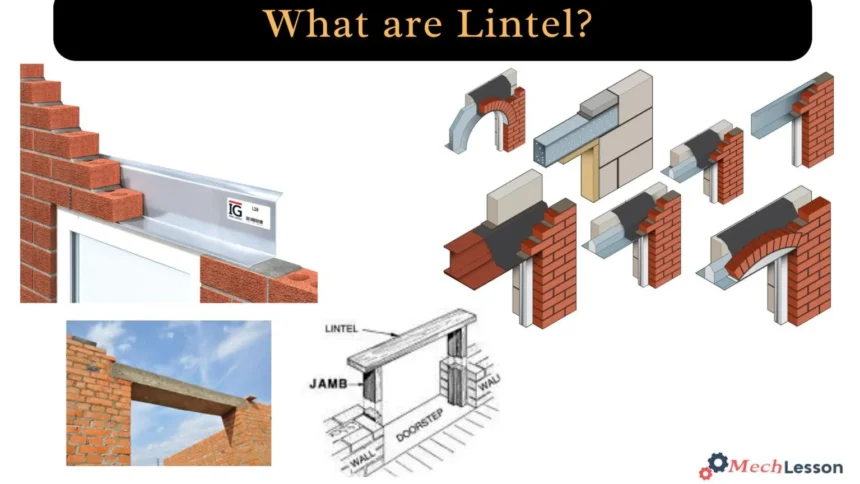
Lintels serve a crucial function in architecture, acting as horizontal support beams. They bear the weight of structures above doorways and windows, redistributing that load to adjacent walls. This allows for larger openings without compromising structural integrity.
Beyond their functional role, lintels also contribute to aesthetics. They can enhance the visual appeal of a building, framing entrances and creating defined lines. Decorative elements on lintels can reflect architectural styles or cultural influences.
By providing stability while allowing for design flexibility, lintels bridge the gap between form and function. Their presence is essential in both traditional and modern architecture, showcasing how practical solutions can harmonize with artistic expression.
Different Types of Lintels
Lintels come in various forms, each designed to serve specific architectural needs.
One common type is the **steel lintel**. Known for its strength and durability, it can support heavy loads while maintaining a slim profile. This makes it ideal for modern constructions.
Then there are **reinforced concrete lintels**. These offer excellent resistance against both compression and tension forces. They’re often used in residential buildings where versatility is key.
For those looking to add an aesthetic touch, **stone or brick lintels** provide an appealing visual element. Often seen in historical architectures, they combine functionality with beauty.
Lastly, **timber lintels** are popular in traditional homes. They bring warmth and charm but require careful maintenance due to susceptibility to rot.
Each type has unique characteristics that cater to different design requirements and environmental conditions within architecture.
Materials Used for Lintels
Lintels can be crafted from various materials, each serving specific architectural needs.
Concrete is a popular choice due to its strength and durability. It effectively supports heavy loads, making it ideal for larger openings.
Steel offers another robust option, known for its high tensile strength. This material allows for longer spans without the bulkiness of concrete or masonry.
Wood presents a classic aesthetic appeal. It’s often used in residential designs where a warm, natural look complements the overall style of the home.
Brick and stone are traditional materials that blend beautifully with many architectural styles. They provide not only structural support but also add character and texture to buildings.
Each material brings unique benefits to lintel construction, allowing architects to choose based on functionality and design preferences.
Common Uses of Lintels in Architecture
Lintels play a crucial role in providing structural support. They are primarily used above doorways and windows, ensuring that the weight of the wall is distributed evenly.
In residential buildings, lintels can be found over garage doors and entryways. This enhances both functionality and aesthetics.
Commercial structures also utilize lintels extensively. Here, they are essential for supporting large openings that allow natural light to flood interior spaces.
Beyond load-bearing purposes, decorative lintels add character to facades. Architects often use intricate designs to enhance visual appeal while maintaining structural integrity.
Additionally, historical preservation projects frequently involve restoring original lintel designs. This helps maintain the architectural heritage by retaining traditional craftsmanship techniques throughout renovations.
How to Choose the Right Lintel for Your Project
Choosing the right lintel for your project hinges on several key factors. First, assess the load requirements. Lintels must support weight from above without compromising structural integrity.
Next, consider the span of the opening. Wider openings often necessitate stronger materials and larger dimensions to distribute stress evenly.
Also, think about aesthetics. The style of your building influences material choice—concrete may suit modern designs while wood fits rustic themes better.
Don’t overlook environmental conditions either; certain materials perform better under specific weather patterns. For example, steel can rust in humid climates without proper treatment.
Always consult with a structural engineer or architect before settling on a lintel type. Their expertise ensures that safety and design meet seamlessly in your architectural vision.
Maintenance and Repair of Lintels
Maintaining lintels is crucial for the structural integrity of a building. Regular inspections help identify signs of wear, such as cracks or rusting in metal lintels.
Cleaning is essential too. Dust and debris can accumulate over time, leading to moisture retention that may cause damage. A simple wash with water and mild detergent can keep them looking their best.
If you notice any defects, timely repairs are vital. Small cracks can often be fixed with epoxy injections or sealants. For more significant issues, replacing the entire lintel might be necessary.
Always consult a professional when dealing with extensive repairs. They can assess the situation accurately and recommend appropriate solutions tailored to your needs.
Keeping an eye on your lintels ensures they perform their function effectively and continues to enhance your structure’s aesthetic appeal.
Examples of Famous Buildings with Prominent Lintels
Many iconic structures showcase the elegance and functionality of lintels. The Parthenon in Athens features impressive stone lintels that support its grand entrance, embodying ancient Greek architectural excellence.
Moving to modern times, the Sydney Opera House exhibits striking glass and concrete lintels. They not only enhance stability but also complement its unique sail-like design.
In Chicago, the Willis Tower (formerly Sears Tower) incorporates robust steel lintels within its façade. These elements are crucial for structural integrity while contributing to its sleek silhouette.
Even residential designs can highlight this element. Craftsman-style homes often feature wooden lintels above windows and doors, adding charm and character to their aesthetic.
These examples illustrate how vital lintels are across various architectural styles. Their presence is a testament to both beauty and engineering prowess in building design worldwide.
Conclusion
Lintels play a crucial role in architecture, serving both structural and aesthetic purposes. Understanding what a lintel is can empower you to make informed decisions for your building projects. From the various types of lintels available to the materials they are made from, each choice impacts not only the safety but also the design of your structure.
Their applications span across many architectural styles, showcasing their versatility. Whether you’re considering traditional brick or modern steel options, knowing how to select the right lintel ensures longevity and stability.
Maintenance is key; keeping an eye on these essential elements helps prevent costly repairs down the line. Many iconic buildings feature impressive lintels that highlight their importance in historical and modern contexts alike.
Exploring this topic offers insights into not just construction techniques but also design principles that enhance beauty while ensuring safety. Embracing these fundamentals opens up new possibilities for creativity in architecture.