Introduction to the Diamond on Tape Measure
When it comes to measuring tools, few items are as essential as the trusty tape measure. But have you ever noticed that little diamond marking on your tape? This small yet mighty symbol holds great significance in the world of construction and DIY projects. It’s more than just an aesthetic touch; the diamond on tape measure is designed for precision and efficiency. Understanding its purpose can elevate your measuring game and help you achieve accurate results every time.
Whether you’re a seasoned professional or a weekend warrior tackling home improvements, knowing how to utilize the diamond marking can streamline your work process. Let’s dive deeper into this often-overlooked feature and explore its history, benefits, common uses, and tips for making the most out of it!
History and Evolution of the Diamond Marking
The diamond marking on tape measures has a rich history that dates back centuries. Initially, craftsmen relied on simple measurements and visual cues. As trade expanded, the need for precision became paramount.
In the mid-20th century, manufacturers introduced innovative features to enhance accuracy. The diamond shaped mark emerged as a reliable indicator for specific measurements like stud spacing in construction projects. Its clever design allowed users to quickly gauge distances without excessive calculations.
As technology advanced, digital tape measures began appearing on the market. However, traditional markings remain relevant due to their simplicity and ease of use. Even today’s high-tech tools often incorporate this classic feature, proving its enduring value among builders and DIY enthusiasts alike.
This evolution reflects not just advancements in measurement techniques but also an appreciation for practical solutions that stand the test of time.
How to Use the Diamond on a Tape Measure
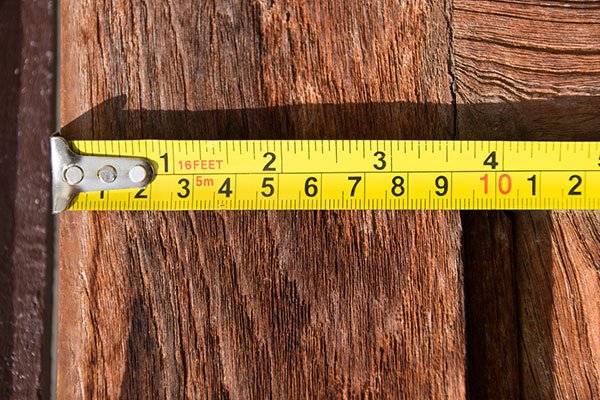
Using the diamond on a tape measure is simple once you know what to do. First, identify the location of the diamond marking, usually positioned at 19.2 inches along the tape.
When measuring for studs or floor joists, extend your tape and align it with your starting point. The diamond serves as a quick reference for placing additional supports at regular intervals.
As you pull out more length, keep an eye on that diamond marking. It helps ensure you’re spaced correctly without needing to do complicated calculations or remember numbers.
For accuracy, always double-check measurements before cutting materials. Whether you’re hanging drywall or framing walls, this little symbol can save time and reduce errors in your projects.
With practice, using the diamond becomes second nature and makes precise work much easier in construction and DIY tasks alike.
Benefits of Using the Diamond Marking
The diamond marking on a tape measure offers several practical advantages. First, it simplifies the process of making accurate measurements. The pointed design allows for precise alignment with edges or corners.
Another benefit is its efficiency in layout work. When laying out studs, joists, or other construction elements, the diamond serves as a quick reference point. This speeds up tasks and reduces the likelihood of errors.
Additionally, using the diamond marking can enhance safety in your projects. By ensuring correct spacing and placement before cutting materials, you minimize waste and create safer working conditions.
For those who frequently engage in DIY projects or professional carpentry, this feature becomes invaluable over time. It elevates your measuring game by combining accuracy with ease of use. Such practicality makes every measurement count more effectively than traditional markings alone.
Common Uses for the Diamond on Tape Measure
The diamond on a tape measure finds its way into various projects, proving to be an invaluable tool. One of its primary uses is in framing walls during construction. Carpenters rely on the diamond marking to ensure accurate angles and achieve perfect cuts.
DIY enthusiasts also benefit from this feature when crafting furniture or home decor. The diamond helps establish precise measurements for joints and edges, making assembly smoother.
In landscaping, professionals use the diamond mark for laying out areas that require specific dimensions. It aids in achieving uniformity while planting trees or installing hardscapes.
Even in plumbing work, where straight lines are crucial, the diamond assists plumbers in aligning pipes correctly. Its versatility makes it essential across multiple trades and tasks. This small yet significant detail can drastically enhance accuracy and efficiency wherever it’s applied.
Tips for Accurate Measurements with the Diamond Marking
To ensure accurate measurements with the diamond on your tape measure, start by positioning the tape correctly. Hold it flat against the surface you’re measuring to eliminate any gaps.
Use a consistent technique when taking measurements. Align your eye level with the marking for precision and avoid parallax errors that can distort readings.
When marking cuts or layouts, consider using a pencil instead of a pen. Pencils allow for easy corrections if needed, ensuring you maintain accuracy throughout your project.
Always double-check your measurements before making cuts. It’s better to take an extra moment than to cut incorrectly and waste materials.
Keep your tape measure clean and in good condition. Dirt or debris can affect how well it retracts and may lead to inaccuracies over time. Regular maintenance goes a long way in preserving its effectiveness.
Potential Drawbacks of the Diamond on Tape Measure
While the diamond on a tape measure offers many advantages, it also has its drawbacks. One common issue is that not all tape measures feature this marking. This inconsistency can lead to confusion when using different tools.
Another potential drawback involves visibility. Depending on lighting conditions, the diamond mark might be hard to see against certain backgrounds or materials. This can slow down your work process as you strain to locate it.
Accuracy is another concern for some users. If misaligned during measurement, relying solely on the diamond could yield imprecise results. It’s important to double-check measurements, especially in critical projects.
Beginners may find it challenging to understand how and when to use the diamond correctly without guidance or experience. Familiarity with traditional measuring methods could overshadow newer techniques like those involving diamonds.
Alternative Tools for Precise Measurements
When precision is key, several alternative tools can complement or replace the traditional tape measure. Among these, digital laser measuring devices stand out. They offer quick readings and are perfect for larger spaces.
For carpenters and builders, a caliper provides accuracy down to fractions of an inch. This tool excels in measuring thicknesses and diameters that might be challenging with a tape measure.
Another great option is the measuring wheel. Ideal for long distances, it rolls along surfaces while keeping track of measurements automatically.
For interior designers and architects, apps on smartphones can also serve as handy measurement tools. They use augmented reality to provide dimensions quickly without any physical device at hand.
Each tool has its strengths based on specific needs and scenarios in construction or DIY projects. Experimenting with different instruments can enhance your overall accuracy in measurements.
Conclusion
The diamond on a tape measure serves as a unique and practical feature for both professionals and DIY enthusiasts. Its history reflects an evolution in design that has made measuring easier and more efficient over the years. By understanding how to use this marking effectively, you can benefit from increased accuracy in your projects.
This simple yet powerful tool offers significant advantages, particularly when it comes to making quick measurements or ensuring precision cuts. Whether you’re working with wood, metal, or other materials, knowing where to find the diamond can save time and reduce errors.
While there are countless uses for the diamond marking—from carpentry to crafting—it’s essential to keep specific tips in mind for accurate usage. Familiarizing yourself with these best practices will help maximize its potential while minimizing any drawbacks associated with relying solely on this method of measurement.
For those who prefer alternatives, various tools are available that provide precise measurements without needing a tape measure’s built-in markings. Each option has its own merits depending on the task at hand.
Understanding the role of the diamond on a tape measure enhances not only your skills but also your confidence in tackling any project with ease.